
Fear of bats (chiroptophobia)
En español: lee sobre este miedo en Fobias.org.
A fear of bats can show up at dusk, in lofts, caves and gardens or even when you hear fluttering. It is a less common fear, but it can feel very strong, and it can be helped.
Many people find that with the right help, dusk in the garden or a flutter in the loft becomes something they can stay calm about.
Use code PHOBIA at checkout for half price: £24.50 instead of £49. Outside the UK? $29.50.
Understanding this fear
Chiroptophobia is a strong fear of bats. Plenty of people flinch when something flits past their head at dusk, but with this fear the sight, sound or even thought of a bat can bring on real panic. Some people fear being touched or tangled with, others the sudden swooping flight, and others the links between bats, darkness and horror stories. It is a less common fear, but it can be every bit as strong as better known ones.
Like many animal phobias, it often begins in childhood and can follow a scare, such as a bat in the bedroom, or simply grow out of films and stories. In the UK bats are protected and mostly come out around dusk. The NHS notes that rabies is very rare in the UK and is only found in some bats, so the key safety step is simply never to handle one. Knowing the facts helps, but a phobia does not always listen to facts, which is where therapy comes in.
Common triggers
- Movement overhead at dusk
- Fluttering or scratching sounds in the loft
- A bat flying into a room
- Halloween decorations and vampire films
- Nature programmes showing roosts or caves
- The thought of a bat getting caught in your hair
- Squeaks or clicks at night
- Photos of bats with wings spread
Where it shows up
- Gardens and parks at dusk
- Lofts and attics
- Caves, tunnels and old mines
- Barns, churches and old buildings
- Canal and riverside paths in the evening
- Outdoor dining or camping in summer
- Bat walks and wildlife centres
Symptoms
In your body
- Heart pounding or racing
- Sudden flinching or ducking
- Sweating and trembling
- Short, fast breathing
- Skin crawling or tingling
- Feeling sick or faint
In your mind
- It will fly at me or get stuck in my hair
- There could be one in the room right now
- I will not cope if I see one
- Disgust at the thought of wings or fur
- Fear of disease far beyond the real risk
What you might do
- Staying indoors at dusk in summer
- Keeping windows shut on warm nights
- Checking rooms or the loft before bed
- Avoiding countryside walks, camping or old buildings
- Covering your head or hair outdoors in the evening
- Leaving a room or the house if one is spotted
What causes it
Animal phobias often start between early childhood and the early teens. A sudden encounter, such as a bat swooping close or getting into the house, can link bats with terror in a single moment. Fear can also be learned by watching a parent or friend panic, or soaked up from horror films and myths about vampires and bats in hair. Some experts have suggested humans are primed to fear fast creatures that move in the dark, though the evidence for this is mixed. Once the fear is there, staying in at dusk and checking rooms keep it going, because the mind never gets to learn that a summer evening outside usually passes without incident.
How it can affect your life
This fear tends to bite in the warmer months, when evenings are long and bats are active. People may avoid summer barbecues, evening walks, camping or holidays in the countryside. Some struggle to sleep with the windows open, or feel uneasy in older homes with lofts. It can also limit work in places like barns, churches or historic buildings.
Things that can help day to day
- Learn some calm facts about UK bats from a trusted source such as the Bat Conservation Trust
- Look at simple drawings, then photos, at your own pace
- Practise slow breathing when you hear a flutter or see movement at dusk
- Never touch or handle a bat yourself, and call the National Bat Helpline if one is in your home
- Plan short evening outings with a friend and build up from there
When to get help
It is worth getting help if you are planning your summer around avoiding dusk, losing sleep or turning down trips. Your GP is a good first port of call if anxiety is affecting daily life. If you are ever bitten or scratched by a bat, get medical help straight away through an urgent GP appointment or NHS 111, as the NHS advises.
How I can help
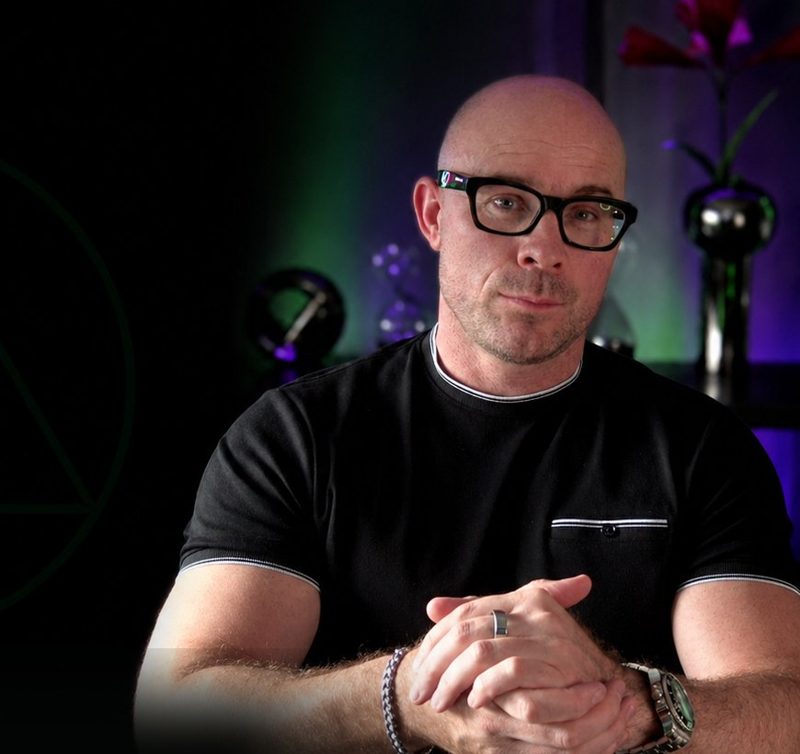
If you’ve tried to talk yourself out of this fear and it hasn’t worked, that isn’t a lack of willpower. A phobia is an alarm your mind learned, and logic alone rarely switches it off.
When I work with a fear of bats over Zoom, we start by finding what sets off the alarm for you, whether it is the swooping, the wings, the dark or a memory from years ago. Using hypnotherapy and NLP, I help your mind file that old scare as a memory rather than a live threat. We then rehearse calm summer evenings in your imagination, from sitting in the garden at dusk to walking by a river, until your body stays steady. Many clients find they can enjoy evenings outside again without scanning the sky.
I’ve spent 17 years in clinical practice and helped more than 1,000 people with phobias. I hold a Postgraduate Certificate and a Postgraduate Diploma in Clinical Hypnotherapy, both with Distinction.
Common questions
Are bats dangerous in the UK?
Bats are protected in the UK and usually keep to themselves. The NHS says rabies is very rare here but is found in some bats, so never handle one, and get medical help straight away if you are bitten or scratched.
Will a bat get caught in my hair?
This is a well known myth. Bats find their way and their food using sound, and they are not trying to land on people, even if one flies close while chasing insects.
What should I do if a bat gets into my house?
Stay calm, keep children and pets out of the room and do not try to catch it with bare hands. The Bat Conservation Trust runs a National Bat Helpline on 0345 1300 228 that can advise.
Are bats actually dangerous?
In the UK, bats are protected and are not usually a risk to people. A phobia is not about logic, though, so knowing that does not always stop the fear. That is where we can work together.
How can you help?
I use hypnotherapy and NLP to change how your mind responds to the thing you fear, so the old alarm stops going off. Sessions are one to one over Zoom, and you get a recording of the hypnosis to listen to afterwards.
How many sessions will I need?
Many clients notice a real difference after one 90 minute session. If the fear goes back a long way, three sessions gives us room to make the change stick.
Further reading: NHS: Rabies · Bat Conservation Trust: About bats · NHS: Phobias · Mind: About phobias
Ready to start?
A short call is the simplest next step. We’ll talk about your fear, what you’d like to feel instead, and whether I’m the right person to help.
- Take the free test at the top of this page to see how strong your fear is.
- Book a 30 minute call. Use code PHOBIA at checkout for half price: £24.50 instead of £49 ($29.50 outside the UK).
- Start your sessions over Zoom from wherever you live, or face to face in Hertfordshire.
See all session options and prices