
Fear of blushing (ereuthophobia)
En español: lee sobre este miedo en Fobias.org.
A fear of blushing can show up in meetings, on first dates, when you are the centre of attention or when someone simply says your name. The worry about going red often makes it happen, and it is something I help people with regularly.
Many people find that with the right help, the worry about going red eases, and they can speak up and be noticed without dreading it.
Use code PHOBIA at checkout for half price: £24.50 instead of £49. Outside the UK? $29.50.
Understanding this fear
A fear of blushing, also called erythrophobia or ereuthophobia, is when the worry about going red starts to run your life. Most people flush now and then when they are embarrassed, praised or put on the spot. With this fear you may dread any situation where your face might colour, watch yourself closely for warmth, and feel sure everyone has noticed. The fear is about what blushing will say about you, not just the colour itself.
It is closely linked to social anxiety, and people who feel anxious in company often blush more easily, which can feed the fear. Researchers have found that people with this fear tend to overestimate how often they blush, how visible it is and how harshly others will judge it. Paying close attention to your own face makes the flush feel stronger, and the stress of dreading it can bring it on. Like social anxiety, which often starts in the teenage years, it can take hold when self consciousness is at its height.
Common triggers
- Someone saying your name unexpectedly
- Being asked a question in a meeting
- Receiving praise or thanks
- Making a small mistake in public
- Talking to someone you find attractive
- Being the centre of attention
- Someone pointing out that you have gone red
- Hot rooms or warm drinks
Where it shows up
- Meetings and presentations
- Classrooms and lectures
- First dates and social events
- Job interviews
- Video calls where you can see your own face
- Shop tills and small talk with staff
- Family gatherings
Symptoms
In your body
- Heat spreading across the cheeks, neck or chest
- Racing heart
- Sweating
- Butterflies in the stomach
- Fast breathing
- Restlessness and fidgeting
In your mind
- Certainty that everyone can see you going red
- Fear that people will think you are lying, weak or guilty
- Constantly checking your face for warmth
- Replaying moments when you blushed
- Dread of being teased or commented on
What you might do
- Avoiding presentations or speaking up
- Using heavy make up or high collars to hide colour
- Turning away or covering your face
- Avoiding eye contact
- Choosing seats at the back or in dim light
- Rehearsing what to say so you are not caught out
What causes it
Blushing itself is a normal reaction caused by extra blood flow to the face, and some people simply have a more reactive system. The fear tends to grow when someone with social worries starts to see blushing as a sign of failure. Researchers describe a loop where you notice heat in your face, focus on it, believe it looks worse than it does, and the stress makes the flush stronger. Teasing about going red at school, or one painful moment of embarrassment, can set the pattern. Hiding, covering up and avoiding situations bring short term relief but stop you learning that blushing is usually far less noticed and less judged than you fear.
How it can affect your life
This fear can hold people back at work, in study and in relationships. You may avoid speaking up, turn down presentations or promotions, or skip social events and dates. Keeping watch on your face and hiding it takes a lot of energy, which leaves less attention for the conversation itself. Over time it can chip away at confidence.
Things that can help day to day
- Turn your attention outwards onto the person or task rather than your face
- Remind yourself that many people see blushing as warm or honest
- Practise slow breathing before situations you find hard
- Drop one hiding habit at a time, such as the extra make up or high collar
- Keep a note of whether anyone actually comments, and what really happens
When to get help
If the fear of blushing is stopping you from working, studying or socialising, it is worth getting help. Your GP is a good first port of call if anxiety is affecting your daily life, and they can also check for any skin or other health reasons behind frequent flushing. You can also refer yourself to NHS talking therapies for help with social anxiety.
How hypnosis can help with fear of blushing
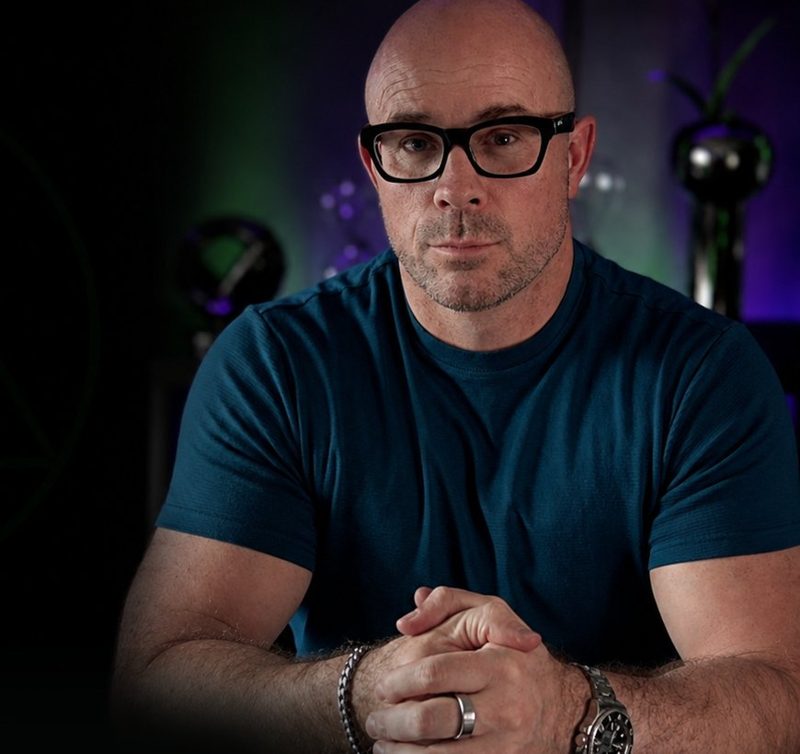
If you’ve tried to talk yourself out of this fear and it hasn’t worked, that isn’t a lack of willpower. A phobia is an alarm your mind learned, and logic alone rarely switches it off.
When I work with a fear of blushing over Zoom, we start by finding out what blushing means to you, because the fear is usually about being judged rather than the colour itself. Using hypnotherapy and NLP, I help you shift your focus away from your face and onto the people and conversation in front of you. We rehearse the tricky moments in your mind while you feel calm, so your body can learn a new response. Many clients find that as the worry fades, blushing becomes less frequent and far less of a concern.
I’ve spent 17 years in clinical practice and helped more than 1,000 people with phobias. I hold a Postgraduate Certificate and a Postgraduate Diploma in Clinical Hypnotherapy, both with Distinction.
Common questions
Do people notice my blushing as much as I think?
Usually not. Research suggests people with this fear tend to overestimate how visible their blushing is and how harshly others will judge it. Most people barely register it, or read it as a sign of warmth.
Is a fear of blushing a type of social anxiety?
It is very closely linked. Many people who fear blushing also worry about being judged in other ways, and the same kinds of support often help with both.
Why do I blush when someone praises me?
Blushing is not only about embarrassment. It can happen with praise, thanks or any kind of attention, and some researchers think it may help signal warmth and trustworthiness to others.
Does worrying about blushing make it worse?
Very often, yes. Fearing that you will blush sets off the body’s stress response, and that can bring on the flush you were dreading. Learning to stay calm in those moments usually takes the pressure off.
How can you help?
I use hypnotherapy and NLP to change how your mind responds to the thing you fear, so the old alarm stops going off. Sessions are one to one over Zoom, and you get a recording of the hypnosis to listen to afterwards.
How many sessions will I need?
Many clients notice a real difference after one 90 minute session. If the fear goes back a long way, three sessions gives us room to make the change stick.
Further reading: Medical News Today: Erythrophobia · Drummond (2020): Treatment options for fear of blushing · NHS: Social anxiety
Ready to start?
A short call is the simplest next step. We’ll talk about your fear, what you’d like to feel instead, and whether I’m the right person to help.
- Take the free test at the top of this page to see how strong your fear is.
- Book a 30 minute call. Use code PHOBIA at checkout for half price: £24.50 instead of £49 ($29.50 outside the UK).
- Start your sessions over Zoom from wherever you live, or face to face in Hertfordshire.
See all session options and prices