
Fear of Greek and scientific terms (hellenologophobia)
Hellenologophobia is a fear of Greek terms or of complex scientific language. It might show up as dread when reading medical letters, technical reports or textbooks, or a habit of switching off as soon as jargon appears. Some people feel shut out or embarrassed when others use long words they do not know.
Many people find that with the right help, a long medical or scientific word becomes something they can read and look up calmly.
Use code PHOBIA at checkout for half price: £24.50 instead of £49. Outside the UK? $29.50.
About this phobia
The name blends Hellen, meaning Greek, with logos, meaning word. It is a rarely reported term found mostly on lists of phobias, and a little ironic given its length. It has links with the fear of long words and with wider worries about feeling judged or not clever enough.
How it shows up
Plenty of people roll their eyes at jargon, but hellenologophobia brings something closer to panic. A letter full of medical terms, a page of technical text or a colleague using long words in a meeting can make the mind seize up. People often feel stupid or exposed, even when the language is simply badly written. It differs from a dislike of jargon because it can stop someone reading important information at all.
Common triggers
- Medical or legal letters
- Textbooks and scientific papers
- Technical manuals and contracts
- Meetings full of acronyms
- Being asked to read aloud
- Long words you are unsure how to say
- Software updates and error messages
Where it shows up
- Hospital and GP appointments
- Universities and training courses
- Offices and board meetings
- Solicitors and banks
- Online forms and terms and conditions
- Parents’ evenings and school reports
Symptoms
In your body
- Hot face
- Tense shoulders
- Fast heartbeat
- Feeling tired or foggy
- Tight throat when asked to speak
In your mind
- Feeling not clever enough
- Mind going blank
- Fear of being caught out
What you might do
- Skimming or skipping important documents
- Nodding along without understanding
- Avoiding courses or roles with technical content
- Not asking questions
What may cause it
There is no real clinical research on hellenologophobia, though the related fear of long words is often discussed in popular psychology alongside social anxiety. It may start with being embarrassed in class, struggling with reading, or being met with impatience when asking what a word meant. Reading difficulties such as dyslexia can add to the strain. Steering clear of technical material keeps confidence low, so the fear tends to stay.
How it can affect your life
This fear can mean not fully understanding health, money or legal information, which can lead to poor decisions. It may hold people back at work or in study. Some feel shut out of conversations and quietly lose confidence.
Related fears
- Fear of long words (hippopotomonstrosesquippedaliophobia)
- Social anxiety
- Fear of failure (atychiphobia)
- Fear of learning (sophophobia)
Things that can help day to day
- Ask people to explain terms in plain English, as it is a fair request
- Break long words into parts and say them slowly
- Keep a small notebook of new terms and their meanings
- Read hard documents in short chunks with breaks
When to get help
If you struggle to read or follow written information, speak to your GP, as support for dyslexia or other reading difficulties may help. Your GP can also refer you for talking therapy if the fear is affecting work or health decisions.
Explore more unusual fears in the rare phobias A to Z, or browse the common phobias.
About me
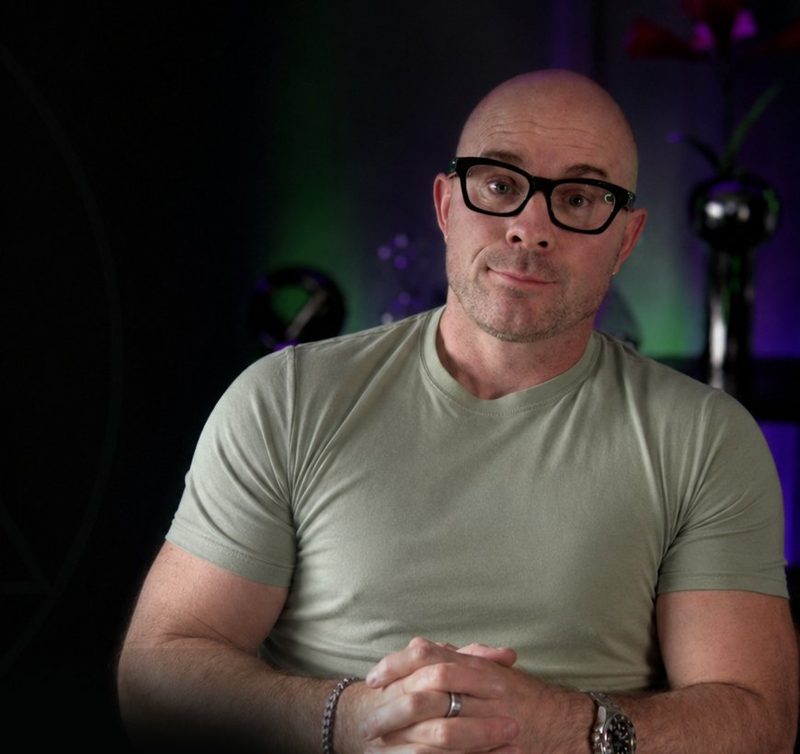
If you’ve tried to talk yourself out of this fear and it hasn’t worked, that isn’t a lack of willpower. A phobia is an alarm your mind learned, and logic alone rarely switches it off.
When a fear is less common, it can be harder to explain, so you may not have told many people about it. I work one to one over Zoom with people whose fears are holding them back, including rarer ones like this, and every plan starts with understanding what your fear is really about.
I’ve spent 17 years in clinical practice and helped more than 1,000 people with phobias. I hold a Postgraduate Certificate and a Postgraduate Diploma in Clinical Hypnotherapy, both with Distinction, and journalists and clients call me the Phobia Guru.
Common questions
Is it normal to feel anxious about jargon?
Very. Specialist language can be off-putting for anyone, and asking for plain English is always reasonable. It may be more than ordinary frustration if it stops you reading important letters or taking part in work or study.
How can you help?
I use hypnotherapy and NLP to change how your mind responds to the thing you fear, so the old alarm stops going off. Sessions are one to one over Zoom, and you get a recording of the hypnosis to listen to afterwards.
How many sessions will I need?
Many clients notice a real difference after one 90 minute session. If the fear goes back a long way, three sessions gives us room to make the change stick.
Further reading: Hippopotomonstrosesquippedaliophobia, Psych Central
Ready to start?
A short call is the simplest next step. We’ll talk about your fear, what you’d like to feel instead, and whether I’m the right person to help.
- Take the free test at the top of this page to see how strong your fear is.
- Book a 30 minute call. Use code PHOBIA at checkout for half price: £24.50 instead of £49 ($29.50 outside the UK).
- Start your sessions over Zoom from wherever you live, or face to face in Hertfordshire.
See all session options and prices