
Fear of crowded places (agoraphobia)
En español: lee sobre este miedo en Fobias.org.
Agoraphobia is often thought of as a fear of going outside. More often it’s a fear of being somewhere it would be hard to leave, or get help, if panic struck.
Many people find that with the right help, they can get to the shops, travel and meet friends again, step by step, feeling more in control.
Use code PHOBIA at checkout for half price: £24.50 instead of £49. Outside the UK? $29.50.
Understanding this fear
Agoraphobia is often thought of as a fear of open spaces, but it is really a fear of being in places where escaping might be hard, or where help might not be available if something goes wrong. Crowds are a common trigger because they can make it feel difficult to get out quickly or find somewhere quiet. The fear is often less about the crowd itself and more about what might happen there, such as panicking, fainting or losing control in front of others. It can range from mild discomfort in busy shops to finding it very hard to leave home.
The NHS explains that agoraphobia often develops after panic attacks, when the mind links the panic with the place it happened and starts steering you away from it. Not everyone has had panic attacks, though, and for some people the fear centres on things like crime, illness or accidents. Some people with mild agoraphobia can travel short distances, while others need a trusted person with them to go anywhere. It often grows slowly, as each avoided place makes the safe area a little smaller.
Common triggers
- Packed trains, buses and the underground
- Long queues with no easy way out
- Busy shopping centres and supermarkets
- Concerts, festivals and sports events
- Being far from home or a safe person
- Being hemmed in at the middle of a row
- Sudden body sensations, such as a fast heartbeat
- Waiting rooms where leaving would be awkward
Where it shows up
- High streets and markets on a Saturday
- Shopping centres and large supermarkets
- Train stations and airports
- Football grounds and arenas
- Theatres and cinemas
- Theme parks and tourist hotspots
- Christmas markets and street events
Symptoms
In your body
- Racing heart and fast breathing
- Feeling hot, sweaty or faint
- Nausea or a sudden need for the toilet
- Chest pain or difficulty swallowing
- Trembling and dizziness
- Ringing in the ears
In your mind
- I will panic and not be able to get out
- People will stare if I lose control
- I might be taken ill with nobody to help
- Fear of looking foolish in public
- A sense of dread before leaving the house
- Feeling unable to cope without someone you trust
What you might do
- Avoiding busy times and shopping online instead
- Only going out with a trusted person
- Standing near exits or sitting at the end of rows
- Planning escape routes before arriving
- Leaving events early
- Staying at home for long periods
What causes it
Agoraphobia often starts with one or more panic attacks in a public place. Because panic feels so frightening, the brain links it to the crowd, the shop or the train, and starts warning you away from those places. Other people develop it without ever having a panic attack, with fears centred on things like crime, illness or accidents. A naturally anxious temperament, and a habit of reading body sensations such as a fast heartbeat as a sign of danger, can make it more likely. Avoidance is what keeps it going and lets it spread, as every place you stay away from becomes one more place the brain marks as unsafe.
How it can affect your life
Agoraphobia can affect almost every part of life. Work can become hard if commuting, meetings or busy offices feel impossible, and friendships suffer when invitations to pubs, gigs or weddings are turned down again and again. Some people rely heavily on a partner or family member to do the shopping or come with them everywhere, which can strain relationships. In more severe cases, people may stay at home for long periods, which can lead to loneliness and low mood.
Things that can help day to day
- Cut down on caffeine, alcohol and drugs, which can make anxiety and panic worse
- Practise slow, deep breathing every day so it is there when you need it
- If panic starts, stay where you are if you can and focus on something steady and harmless you can see
- Take small, planned steps, such as a short trip to a nearby shop at a quiet time
- Keep active with regular exercise and eat regular, balanced meals
When to get help
Speak to your GP if you think you might have agoraphobia, or if self-help is not making a difference, and ask whether a telephone appointment is possible if leaving home feels too hard. In England you can also refer yourself to NHS talking therapies. If you are spending long periods at home and feeling low, talk to your GP, or call Samaritans on 116 123 at any time if you need someone to talk to.
How hypnosis can help with agoraphobia
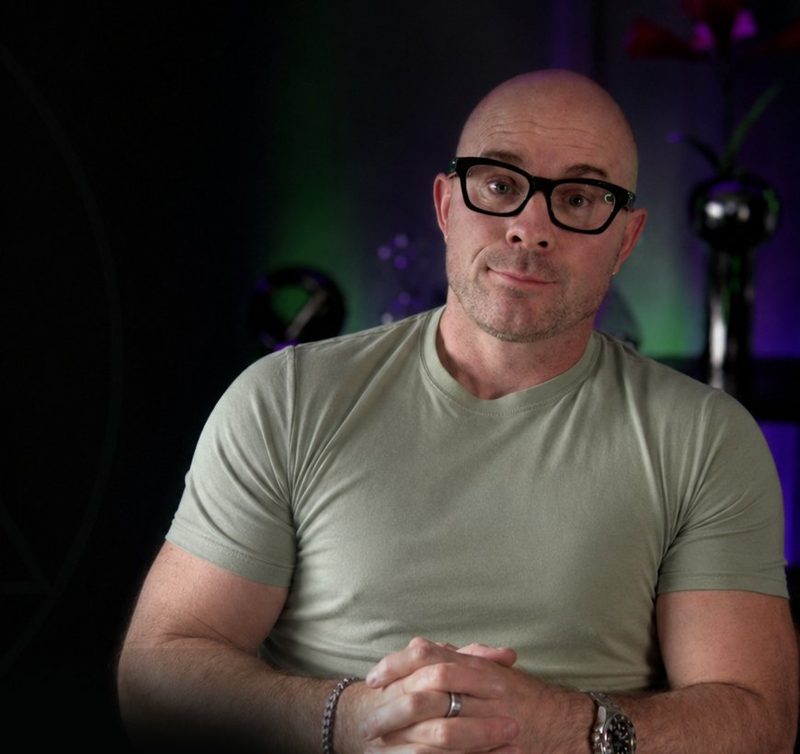
If you’ve tried to talk yourself out of this fear and it hasn’t worked, that isn’t a lack of willpower. A phobia is an alarm your mind learned, and logic alone rarely switches it off.
When I work with agoraphobia, I take things at a pace that feels manageable, and working over Zoom means you can start from the comfort of your own home. First we look at what drives the fear, which is often a fear of panic itself rather than the crowd. Using hypnotherapy, I help you feel deeply calm and then rehearse being in busy places in your mind, step by step, so your brain has a calm version to draw on, and NLP techniques help take the charge out of old panic memories. Many clients find that as the automatic alarm response settles, they can start widening their world again, a little at a time.
I’ve spent 17 years in clinical practice and helped more than 1,000 people with phobias. I hold a Postgraduate Certificate and a Postgraduate Diploma in Clinical Hypnotherapy, both with Distinction.
If you’re struggling to leave the house, you can work with me from home over Zoom.
Common questions
Is agoraphobia just a fear of open spaces?
No. Despite the name, it is mainly a fear of situations where escape might be difficult or help might not be on hand, such as crowds, public transport or queues. Open spaces can be part of it for some people, but they are not the whole picture.
Can you have agoraphobia without panic attacks?
Yes. Agoraphobia often follows panic attacks, but not always. Some people’s fear centres on other things, such as being taken ill, accidents or crime, when they are away from home.
Can I get help if I find it hard to leave the house?
Yes. Your GP may be able to offer a telephone appointment, and some therapists, including me, work entirely online, so you can start from home. Taking that first step from somewhere you feel safe often makes it much easier.
Where does it come from?
It often starts after a panic attack in a public place. The mind then avoids anywhere it might happen again, and the safe zone gets smaller.
How do sessions work?
I use hypnotherapy and NLP to change how your mind responds to crowded places. Sessions are one to one over Zoom, and you get a recording of the hypnosis to listen to afterwards.
How many sessions will I need?
Many clients notice a real difference after one 90 minute session. If the fear goes back a long way, three sessions gives us room to make the change stick.
Further reading: NHS: Agoraphobia overview · NHS: Agoraphobia symptoms
Ready to start?
A short call is the simplest next step. We’ll talk about your fear, what you’d like to feel instead, and whether I’m the right person to help.
- Take the free test at the top of this page to see how strong your fear is.
- Book a 30 minute call. Use code PHOBIA at checkout for half price: £24.50 instead of £49 ($29.50 outside the UK).
- Start your sessions over Zoom from wherever you live, or face to face in Hertfordshire.
See all session options and prices