
Fear of going insane (agateophobia)
En español: lee sobre este miedo en Fobias.org.
A fear of going mad can creep in during panic, after a stressful time, or when a strange thought pops into your head and will not leave. It feels frightening, but I see it often in people with anxiety, and it can be helped.
Many people find that with the right help, those frightening thoughts lose their power and the fear of losing control eases.
Use code PHOBIA at checkout for half price: £24.50 instead of £49. Outside the UK? $29.50.
Understanding this fear
Agateophobia is a fear of going insane, or of losing your mind. It often shows up as a sudden dread that you are losing control, that your thoughts are not your own, or that you are about to snap. It is different from ordinary stress, because the worry about your own mind becomes a source of fear in itself. Many people with this fear are dealing with anxiety, which can produce strange and frightening sensations.
There is very little research on agateophobia as a separate condition, and it is not a formal diagnosis. In practice it is often linked with panic attacks, where people commonly feel they are losing control or losing touch with reality, and with obsessive worries, where an unwanted thought feels like a sign that something is wrong. It can also follow a very stressful period, a bereavement, or seeing a family member go through mental illness. The fear tends to grow the more someone checks and monitors their own mind.
Common triggers
- A sudden feeling that things look unreal or far away
- A strange or upsetting thought that will not shift
- Feeling detached from your own body
- Racing thoughts late at night
- Reading about mental illness online
- Memories of a relative who was unwell
- Poor sleep or exhaustion
- Too much caffeine or alcohol
Where it shows up
- Lying awake in bed at night
- Busy supermarkets with bright lights
- Being alone in the house
- Work during a stressful period
- Crowded trains or buses
- Hospitals or mental health settings
- Quiet moments when the mind wanders
Symptoms
In your body
- Feeling unreal or detached, as if in a dream
- Racing heart
- Dizziness or light headedness
- Tingling or numbness
- Tight chest and fast breathing
- Churning stomach
- Feeling suddenly hot or cold
In your mind
- I am losing my mind
- I will lose control and not get it back
- If I can think this, something must be wrong with me
- Constantly checking whether you feel normal
- Fear that others will notice and think you are mad
- Dread when you are alone with your thoughts
What you might do
- Searching symptoms online again and again
- Asking loved ones if you seem normal
- Avoiding films, books or news about mental illness
- Keeping busy all the time to block out thoughts
- Avoiding being on your own
- Testing yourself, for example by checking your memory or focus
What causes it
This fear is usually fuelled by anxiety rather than by any sign of a real breakdown. Panic and high stress can cause unreal, detached feelings, and the mind then reads those feelings as proof that it is going wrong. Unwanted thoughts are a normal part of having a mind, but an anxious person may treat them as dangerous and try hard to push them away, which tends to make them return more often. Seeing someone close become unwell, or growing up with a lot of worry about mental health, can make this link stronger. Checking, searching and seeking reassurance bring brief relief but keep attention locked on the fear.
How it can affect your life
Living with this fear can be exhausting, because the mind is constantly being watched. It can make it hard to concentrate at work, enjoy time with family, or relax in the evening. Some people avoid being alone or avoid anything that might set off unreal feelings, so their life becomes smaller. Many keep the fear secret, worried about how others would react, which adds loneliness to the anxiety.
Things that can help day to day
- When the feeling hits, name it as anxiety and remind yourself it will pass
- Ground yourself by noticing five things you can see and pressing your feet into the floor
- Breathe slowly, counting to five on the way in and on the way out
- Limit online symptom searching to a short set time, or stop it altogether
- Keep steady routines for sleep and meals, and cut back on caffeine and alcohol
When to get help
Please speak to your GP if your thoughts feel out of your control, if unreal feelings keep happening, or if the fear is affecting work, sleep or relationships. Your GP can check for anything physical and talk through support such as NHS talking therapies. If you are feeling very low, you can also call Samaritans free on 116 123, at any time.
How I can help
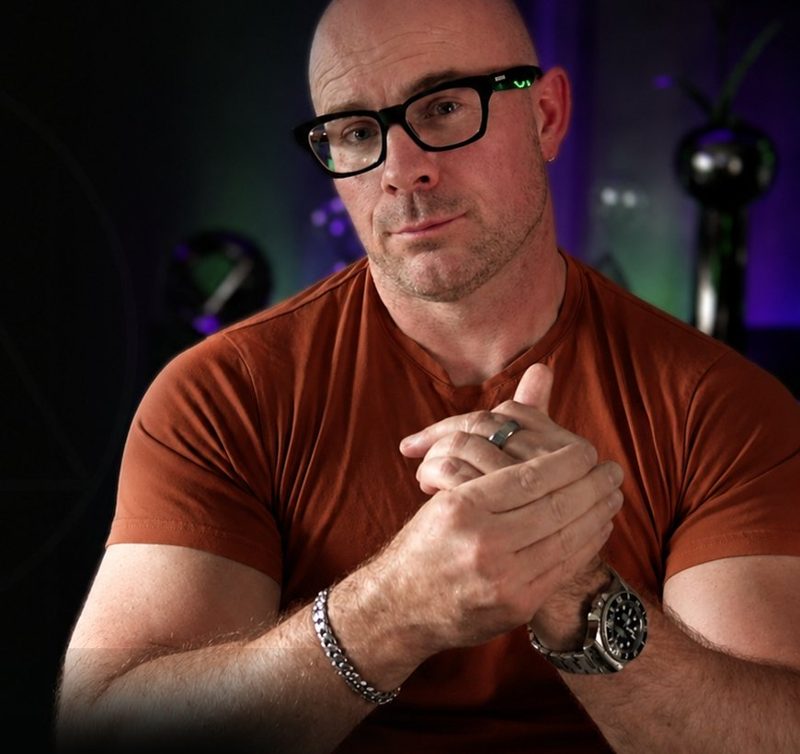
If you’ve tried to talk yourself out of this fear and it hasn’t worked, that isn’t a lack of willpower. A phobia is an alarm your mind learned, and logic alone rarely switches it off.
When someone tells me they are scared of going mad, I listen carefully, because the fear is often about the frightening sensations of anxiety rather than anything happening to the mind itself. Using hypnotherapy and NLP over Zoom, I help you understand what those feelings are and change how your mind reacts to them, so an odd thought or a moment of unreality no longer sets off the alarm. We rehearse calm responses in your imagination, letting thoughts come and go without a fight. Many clients find this brings back a sense of trust in their own mind. If you have medical support in place, I always work alongside it.
I’ve spent 17 years in clinical practice and helped more than 1,000 people with phobias. I hold a Postgraduate Certificate and a Postgraduate Diploma in Clinical Hypnotherapy, both with Distinction.
Please note: If you are worried about your mental health, or your thoughts feel out of your control, please speak to your GP as well so you have proper medical support.
Common questions
Why do I feel unreal when I am anxious?
High anxiety can make the world seem distant or dreamlike, or make you feel detached from your body. It is unpleasant but common, and it usually fades as the anxiety settles.
Can a panic attack make you lose control?
Panic attacks often bring a strong feeling that you are about to lose control, but that feeling is part of the attack itself. They are frightening but not dangerous, and the NHS says most last between 5 and 20 minutes.
Why do upsetting thoughts come back when I try to stop them?
Trying hard not to think something tends to make it pop up more. Letting the thought be there, without arguing with it or checking, usually helps it lose its grip over time.
Does having this fear mean I am going mad?
No. Worrying about losing your mind is usually a sign of anxiety, not of madness. The fear itself is very distressing, but it is a different thing from losing touch with reality.
How can you help?
I use hypnotherapy and NLP to change how your mind responds to the thing you fear, so the old alarm stops going off. Sessions are one to one over Zoom, and you get a recording of the hypnosis to listen to afterwards.
How many sessions will I need?
Many clients notice a real difference after one 90 minute session. If the fear goes back a long way, three sessions gives us room to make the change stick.
Further reading: NHS: Panic disorder · Mind: Panic attacks · NHS: Obsessive compulsive disorder
Ready to start?
A short call is the simplest next step. We’ll talk about your fear, what you’d like to feel instead, and whether I’m the right person to help.
- Take the free test at the top of this page to see how strong your fear is.
- Book a 30 minute call. Use code PHOBIA at checkout for half price: £24.50 instead of £49 ($29.50 outside the UK).
- Start your sessions over Zoom from wherever you live, or face to face in Hertfordshire.
See all session options and prices