
Fear of knees (genuphobia)
En español: lee sobre este miedo en Fobias.org.
Genuphobia is a fear of knees. For some it is a dislike of seeing or touching knees, while for others it is a fear of kneeling or of a knee being hurt. Summer clothes, sport or kneeling in church can all become harder than they need to be.
Many people find that with the right help, knees stop pulling at their attention and they can feel at ease.
Use code PHOBIA at checkout for half price: £24.50 instead of £49. Outside the UK? $29.50.
About this phobia
The name comes from the Latin genu, meaning knee. It is a list term with almost no clinical writing behind it. Sometimes the fear grows after a knee injury, or after seeing one, which links it to wider worries about injury and pain.
How it shows up
Genuphobia can take a few forms. Some people feel a strong aversion to the look of knees, especially bare or bent ones, while others fear their own knees giving way, clicking or being hurt, and some dread kneeling itself. It goes beyond squeamishness when it changes what you wear, how you exercise or where you are willing to go. People often feel embarrassed because the fear seems trivial to others.
Common triggers
- Bare knees in shorts or skirts
- Knees bending at an odd angle
- Clicking or cracking joints
- Footage of sports knee injuries
- Being asked to kneel
- Someone touching your knee
- Scraped or bruised knees on children
Where it shows up
- Beaches and swimming pools in summer
- Gyms and exercise classes
- Churches and places of worship
- Sports pitches and PE lessons
- Doctor or physio appointments
- Gardening or jobs done on hands and knees
Symptoms
In your body
- Wobbly or weak legs
- Nausea
- Sweating
- Tight muscles in the legs
- Urge to look away
In your mind
- Picturing a knee being injured
- Disgust or a creeping feeling
- Dread before events that involve kneeling
What you might do
- Wearing long trousers in all weather
- Skipping sport or exercise
- Avoiding kneeling in services
- Looking away from other people’s legs
What may cause it
Clinical writing on genuphobia is very limited, though some health organisations note it can follow a knee injury, surgery or seeing someone else badly hurt. A painful fall or a long recovery can leave the brain linking knees with danger. In other cases the root may be a sense of disgust, perhaps tied to a childhood memory. Avoidance, such as never kneeling or always covering up, can stop the fear from fading, because there is no chance to learn that knees are usually sturdy and reliable.
How it can affect your life
The fear can limit exercise, which may affect general health and mood. It can make summer, holidays and some religious or cultural events awkward. People recovering from a knee injury may find it harder to stick to physiotherapy.
Related fears
- Fear of injury (traumatophobia)
- Fear of pain (algophobia)
- Fear of falling (basophobia)
- Fear of blood and injury
Things that can help day to day
- Look at pictures of healthy knees for short periods, building up slowly
- Try low-impact exercise like walking or cycling with a friend
- Use a cushion or seat if kneeling is expected and explain briefly
- Learn simple facts about how knees work from a reliable source
When to get help
If you have knee pain, swelling or a past injury that worries you, see your GP first. If the fear itself is limiting your life, they can also point you towards talking therapy.
Explore more unusual fears in the rare phobias A to Z, or browse the common phobias.
About me
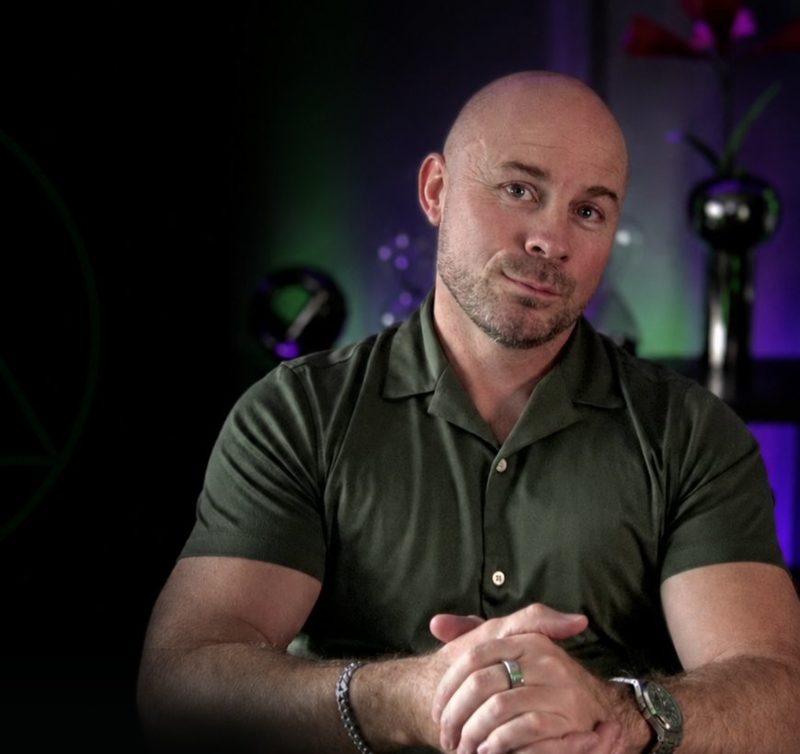
If you’ve tried to talk yourself out of this fear and it hasn’t worked, that isn’t a lack of willpower. A phobia is an alarm your mind learned, and logic alone rarely switches it off.
When a fear is less common, it can be harder to explain, so you may not have told many people about it. I work one to one over Zoom with people whose fears are holding them back, including rarer ones like this, and every plan starts with understanding what your fear is really about.
I’ve spent 17 years in clinical practice and helped more than 1,000 people with phobias. I hold a Postgraduate Certificate and a Postgraduate Diploma in Clinical Hypnotherapy, both with Distinction, and journalists and clients call me the Phobia Guru.
Common questions
Is fear of knees linked to a past injury?
It can be. Some people develop the fear after hurting a knee or seeing someone else injured, while others cannot point to any cause. If you have real knee pain or other symptoms, it is worth getting them checked by a GP.
How can you help?
I use hypnotherapy and NLP to change how your mind responds to the thing you fear, so the old alarm stops going off. Sessions are one to one over Zoom, and you get a recording of the hypnosis to listen to afterwards.
How many sessions will I need?
Many clients notice a real difference after one 90 minute session. If the fear goes back a long way, three sessions gives us room to make the change stick.
Further reading: Genuphobia (Fear of Knees), Cleveland Clinic · Genuphobia, Wikipedia
Ready to start?
A short call is the simplest next step. We’ll talk about your fear, what you’d like to feel instead, and whether I’m the right person to help.
- Take the free test at the top of this page to see how strong your fear is.
- Book a 30 minute call. Use code PHOBIA at checkout for half price: £24.50 instead of £49 ($29.50 outside the UK).
- Start your sessions over Zoom from wherever you live, or face to face in Hertfordshire.
See all session options and prices