
Fear of memories (mnemophobia)
Mnemophobia is a fear of memories, which often means a fear of particular memories surfacing rather than of remembering in general. People may avoid photos, music, places or conversations that bring the past back. If the memories you avoid are linked to something difficult that happened to you, a GP or specialist counsellor can help.
Many people find that with the right help, and at a pace that feels safe, memories lose their sting and the past feels less loud.
Use code PHOBIA at checkout for half price: £24.50 instead of £49. Outside the UK? $29.50.
About this phobia
The name comes from the Greek mneme, meaning memory. It is a rarely reported term found mostly on lists of phobias. Avoiding painful memories can also be part of better-understood conditions, so a GP is a good first step if this feels heavy.
How it shows up
Most people have a few memories they would rather not think about. With mnemophobia, the effort to keep certain memories away becomes a constant task, shaping where people go and what they look at. It may centre on one painful time, such as a loss or a frightening event, or on a broader worry that the past will overwhelm the present. Some people also fear the act of remembering itself, unsure what might come up.
Common triggers
- Old photos or home videos
- Songs linked to a certain time
- Anniversaries and birthdays
- Smells that bring the past back
- Returning to a former home, school or town
- Conversations about the past
Where it shows up
- Family get-togethers
- Clearing out a loft or house
- Quiet moments before sleep
- Particular seasons or dates
- Places tied to a past relationship
Symptoms
In your body
- Sudden tension or a racing heart
- Tearfulness
- Feeling shaky or drained
- Poor sleep
In your mind
- Fear that memories will be too much to bear
- Pushing thoughts away as soon as they appear
- Feeling on edge without knowing why
What you might do
- Avoiding photos, music or places
- Changing the subject when the past comes up
- Keeping very busy to avoid quiet time
- Skipping anniversaries or reunions
What may cause it
There is very little written about this fear as a phobia, but avoiding painful memories is well recognised as a sign of distress after hard experiences. Grief, a difficult childhood or a frightening event can all leave memories that feel unsafe to touch. Pushing memories away often makes them return more strongly, which can make the fear grow. For some people it is less about one event and more about a general sense that looking back is risky.
How it can affect your life
Avoiding reminders can mean missing family occasions, giving up music or places you once loved, and feeling cut off from your own history. The effort of keeping memories at bay can be tiring in itself.
Related fears
- Fear of the past
- Fear of anniversaries and dates
- Fear of sleep and dreams (oneirophobia)
- Grief and loss
Things that can help day to day
- Be gentle with yourself and go at your own pace
- Talk with someone you trust about a mild memory first
- Ground yourself with your senses when a memory feels too strong, such as feeling your feet on the floor
- Write a few lines about a memory and put it away, so it is on paper rather than in your head
When to get help
If memories are intrusive, upsetting or linked to something difficult that happened to you, a GP or specialist counsellor can help, and talking to a GP early is always worthwhile.
Explore more unusual fears in the rare phobias A to Z, or browse the common phobias.
About me
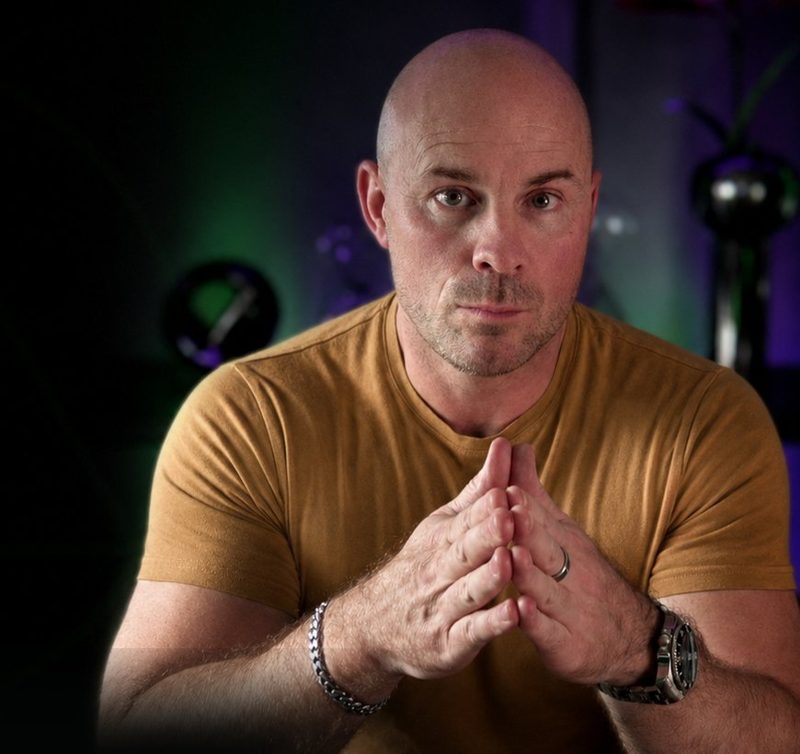
If you’ve tried to talk yourself out of this fear and it hasn’t worked, that isn’t a lack of willpower. A phobia is an alarm your mind learned, and logic alone rarely switches it off.
When a fear is less common, it can be harder to explain, so you may not have told many people about it. I work one to one over Zoom with people whose fears are holding them back, including rarer ones like this, and every plan starts with understanding what your fear is really about.
I’ve spent 17 years in clinical practice and helped more than 1,000 people with phobias. I hold a Postgraduate Certificate and a Postgraduate Diploma in Clinical Hypnotherapy, both with Distinction, and journalists and clients call me the Phobia Guru.
Common questions
Is it unusual to be afraid of your own memories?
It is more common than the rare name suggests. Many people avoid reminders of hard times, and that avoidance can grow over time. Talking to someone trained to help is often a useful step.
How can you help?
I use hypnotherapy and NLP to change how your mind responds to the thing you fear, so the old alarm stops going off. Sessions are one to one over Zoom, and you get a recording of the hypnosis to listen to afterwards.
How many sessions will I need?
Many clients notice a real difference after one 90 minute session. If the fear goes back a long way, three sessions gives us room to make the change stick.
Further reading: NHS: PTSD · NHS: Grief after bereavement or loss · Mind: About phobias
Ready to start?
A short call is the simplest next step. We’ll talk about your fear, what you’d like to feel instead, and whether I’m the right person to help.
- Take the free test at the top of this page to see how strong your fear is.
- Book a 30 minute call. Use code PHOBIA at checkout for half price: £24.50 instead of £49 ($29.50 outside the UK).
- Start your sessions over Zoom from wherever you live, or face to face in Hertfordshire.
See all session options and prices