
Fear of going to school (didaskaleinophobia)
En español: lee sobre este miedo en Fobias.org.
A fear of going to school can show up as tummy aches, tears or refusal on school mornings. It affects children and teenagers, and it can be helped with the right support.
Many families find that with the right help and support, school mornings get calmer and going through the gates becomes easier, step by step.
Use code PHOBIA at checkout for half price: £24.50 instead of £49. Outside the UK? $29.50.
Understanding this fear
A fear of going to school, sometimes called didaskaleinophobia, is when strong feelings such as anxiety, fear or low mood make it very hard for a child or teenager to get to school or to stay there. It is not the same as truancy or skipping lessons. Many children with this fear want to go and feel bad that they cannot. In UK schools it is often called emotionally based school avoidance.
It can affect children of any age, from the start of primary school through to college. Often there is more than one cause, such as friendship problems or bullying, worries about schoolwork or exams, a big change like moving schools, or stress at home. Children who are neurodivergent, for example autistic children or those with ADHD or dyslexia, may find school especially overwhelming if their needs are not fully supported. Sometimes no single reason is found, and the fear itself becomes the main problem.
Common triggers
- School mornings and putting on uniform
- Sunday evenings and the end of holidays
- Tests, exams and being asked questions in class
- Particular lessons or teachers
- Break times and lunchtimes
- Friendship fall outs or bullying
- Crowded corridors and noisy classrooms
- Saying goodbye to a parent at the gate
- Changes in routine or unfamiliar teachers
Where it shows up
- The school gate at drop off
- Classrooms and exam halls
- The playground and dinner hall
- Changing rooms and PE lessons
- School buses and the walk to school
- Assemblies and school trips
- Online group chats with classmates
Symptoms
In your body
- Tummy aches or feeling sick
- Headaches
- Trouble sleeping on school nights
- Crying or shaking
- Racing heart and fast breathing
- Panic before leaving the house
In your mind
- Worry about not fitting in or being picked on
- Fear of getting things wrong in front of the class
- Dread about a certain teacher or lesson
- Worry that something will happen to a parent while apart
- Feeling stuck or that school is simply too much
What you might do
- Refusing to get up or get ready
- Asking to come home or calling parents during the day
- Reaching school but not managing to stay
- Anger or tears before school
- Frequent trips to the school office or medical room
- Withdrawing and going quiet
What causes it
School fear usually builds from a mix of things rather than one cause. Bullying, friendship worries, pressure about schoolwork, difficult relationships with teachers and big changes at home or school are all common. Unmet learning or sensory needs can make each day exhausting. Some children worry about being away from a parent, especially after an illness, a loss or a separation. Once the fear takes hold, staying at home brings relief, and the longer a child is out of school the bigger the return can feel, which is why gentle, steady support matters so much.
How it can affect your life
School fear can affect learning, friendships and confidence, and children may fall behind or feel cut off from classmates. Mornings can turn into a daily battle that leaves the whole family drained, with parents worried about work and attendance. Children often feel guilty and different from their peers. The right support from home, school and health services can make a real difference.
Things that can help day to day
- Parents: listen calmly and let your child talk about what is worrying them
- Keep sleep and morning routines regular and break mornings into small steps
- Agree small goals with the school, such as a later start, and praise brave efforts
- Teach simple calming tools, such as slow breathing or a worry box
- Avoid shouting, punishing or physically forcing attendance, as this tends to raise anxiety
When to get help
If attendance is dropping, mornings are getting harder or your child seems very low or hopeless, please get support. Speak to the school, including the class teacher, pastoral lead or SENCO, so they can make adjustments, and see your GP, who can check for health issues and refer on to services such as CAMHS. If your child seems very low, your GP is the first person to call, and Samaritans (116 123) is there if you are struggling yourself.
How I can help
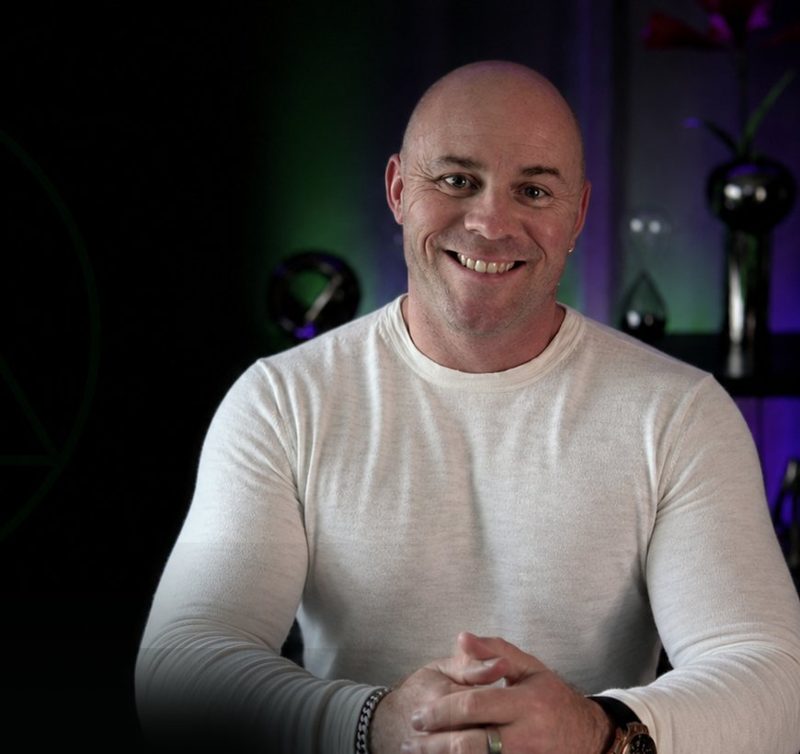
If you’ve tried to talk yourself out of this fear and it hasn’t worked, that isn’t a lack of willpower. A phobia is an alarm your mind learned, and logic alone rarely switches it off.
When I work with a young person who is scared of school, I keep it gentle and work alongside parents, and the school and GP should be involved too. Over Zoom, using hypnotherapy and NLP in a child friendly way, we find out what the fear is really about, whether that is a lesson, a friendship worry or being apart from home. I help them picture walking into school feeling calm and safe, and we practise that feeling until it starts to become more automatic. Many young people find mornings become easier and they feel ready to take the next small step.
I’ve spent 17 years in clinical practice and helped more than 1,000 people with phobias. I hold a Postgraduate Certificate and a Postgraduate Diploma in Clinical Hypnotherapy, both with Distinction.
Please note: If your child is avoiding school, please also speak to the school and your GP so they have wider support.
Common questions
Is school refusal the same as truancy?
No. Truancy usually means choosing to miss school, often without parents knowing. With school fear, children are usually at home, upset, and often want to go but feel unable to.
Should I make my child go to school?
Forcing or punishing tends to increase anxiety, but long spells at home can make the fear grow too. Most guidance suggests working with the school on small, gradual steps back, with plenty of encouragement.
Are tummy aches on school mornings real?
Yes. Anxiety causes real physical feelings such as stomach aches, headaches and nausea. It is still worth asking your GP to check, especially if the symptoms carry on at weekends or in the holidays.
Is this just school refusal?
School refusal is the behaviour, and the fear is often what lies behind it. The cause can be bullying, work worries, separation or social anxiety, so it helps to understand what is going on.
How can you help?
I use hypnotherapy and NLP to change how your mind responds to the thing you fear, so the old alarm stops going off. Sessions are one to one over Zoom, and you get a recording of the hypnosis to listen to afterwards.
How many sessions will I need?
Many clients notice a real difference after one 90 minute session. If the fear goes back a long way, three sessions gives us room to make the change stick.
Further reading: NHS Healthier Together: Emotionally based school avoidance · YoungMinds: School anxiety and refusal · NHS: Phobias
Ready to start?
A short call is the simplest next step. We’ll talk about your fear, what you’d like to feel instead, and whether I’m the right person to help.
- Take the free test at the top of this page to see how strong your fear is.
- Book a 30 minute call. Use code PHOBIA at checkout for half price: £24.50 instead of £49 ($29.50 outside the UK).
- Start your sessions over Zoom from wherever you live, or face to face in Hertfordshire.
See all session options and prices