
Fear of the Pope (papaphobia)
Papaphobia is a fear of the Pope, and sometimes of the papacy and what it represents. It might show up as anxiety when the Pope appears on the news, during a papal visit, or in Catholic settings such as a school or church. For some, the fear is less about one person and more about authority, religion or past experiences tied to them.
Many people find that with the right help, news or images of the Pope stop setting off anxiety.
Use code PHOBIA at checkout for half price: £24.50 instead of £49. Outside the UK? $29.50.
About this phobia
The word comes from papa, the Latin and Italian word used for the Pope. It is not a recognised clinical term and appears almost entirely on lists of unusual phobias. Better-known related fears include hierophobia, a fear of priests or sacred things, and a wider fear of authority figures.
How it shows up
For most people who report papaphobia, the fear is not really about one man in Rome. It tends to gather around what the Pope stands for, such as religious rules, judgement, or memories of a strict upbringing. A person might feel their chest tighten when a papal mass is shown on television, or feel uneasy walking past a Catholic church. That is different from simply disagreeing with the Church, because the reaction is physical and hard to reason away.
Common triggers
- Seeing the Pope on television or online
- News of a papal visit or election
- Religious robes and ceremonies
- Talk of sin, judgement or punishment
- Large religious crowds
- Catholic images such as the papal crest
Where it shows up
- News bulletins and social media feeds
- Religious festivals such as Easter and Christmas
- Weddings, funerals and christenings held in church
- Trips to Rome or the Vatican
- Family gatherings with devout relatives
Symptoms
In your body
- Racing heart
- Sweating or feeling hot
- Tight chest
- Shaky hands
In your mind
- Feeling judged or watched
- Guilt or shame that seems to come from nowhere
- Unwanted memories of past religious settings
What you might do
- Changing channel or closing news stories
- Turning down invitations to church events
- Steering conversations away from religion
What may cause it
There is no research on papaphobia itself, so any explanation has to come from what is known about phobias in general. Fears often grow from an early experience that felt frightening, such as harsh discipline in a religious setting, or from picking up an anxious adult’s view of authority. For some, the fear links more to powerful figures in general than to faith. Avoiding every reminder can keep the fear fresh, because there is no chance to learn that the feeling passes.
How it can affect your life
Because religion runs through so many family occasions, this fear can make weddings, funerals and holidays tense. It can also cause friction or misunderstanding with relatives whose faith matters a great deal to them.
Related fears
- Fear of priests or sacred things (hierophobia)
- Fear of religion or God (theophobia)
- Fear of authority figures
Things that can help day to day
- Notice whether the fear is about the person, the institution or a memory
- Watch a short news clip and stay with it until your body settles
- Talk it through with someone who will not judge either your fear or your beliefs
- Use slow breathing before family events held in church
When to get help
If the fear is tied to past mistreatment, whether in a religious setting or elsewhere, a GP or specialist counsellor can help you find the right support. It is also worth getting help if it is affecting family relationships.
Explore more unusual fears in the rare phobias A to Z, or browse the common phobias.
About me
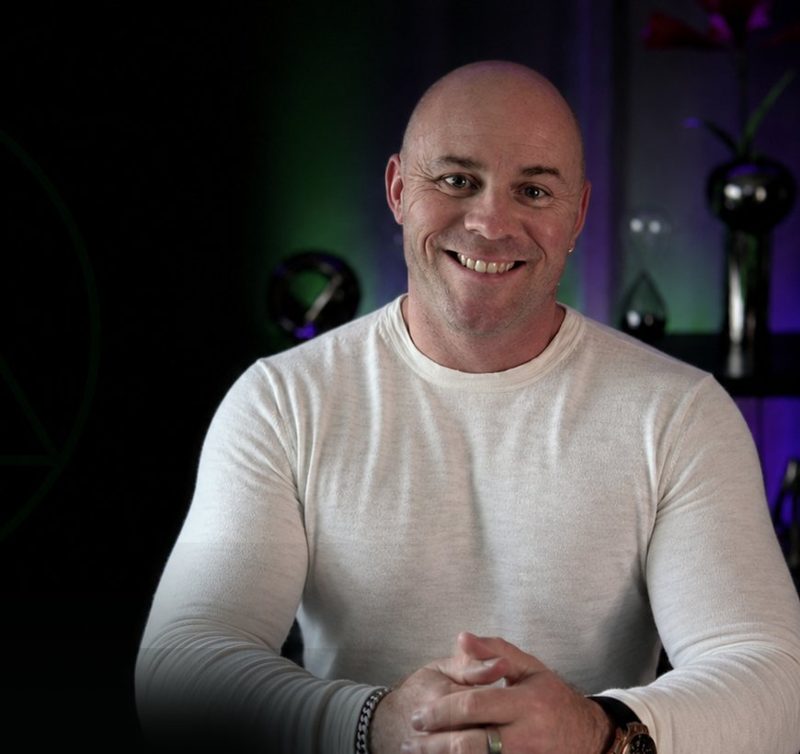
If you’ve tried to talk yourself out of this fear and it hasn’t worked, that isn’t a lack of willpower. A phobia is an alarm your mind learned, and logic alone rarely switches it off.
When a fear is less common, it can be harder to explain, so you may not have told many people about it. I work one to one over Zoom with people whose fears are holding them back, including rarer ones like this, and every plan starts with understanding what your fear is really about.
I’ve spent 17 years in clinical practice and helped more than 1,000 people with phobias. I hold a Postgraduate Certificate and a Postgraduate Diploma in Clinical Hypnotherapy, both with Distinction, and journalists and clients call me the Phobia Guru.
Common questions
Why would someone be afraid of the Pope?
Fears like this often grow from what a figure stands for, such as strict rules, guilt or memories of a particular upbringing. If the fear connects to difficult or harmful experiences in a religious setting, a GP or specialist counsellor can help with that side of things. Feeling this way is not a sign that anything is wrong with you.
How can you help?
I use hypnotherapy and NLP to change how your mind responds to the thing you fear, so the old alarm stops going off. Sessions are one to one over Zoom, and you get a recording of the hypnosis to listen to afterwards.
How many sessions will I need?
Many clients notice a real difference after one 90 minute session. If the fear goes back a long way, three sessions gives us room to make the change stick.
Further reading: NHS: Phobias · Mind: About phobias
Ready to start?
A short call is the simplest next step. We’ll talk about your fear, what you’d like to feel instead, and whether I’m the right person to help.
- Take the free test at the top of this page to see how strong your fear is.
- Book a 30 minute call. Use code PHOBIA at checkout for half price: £24.50 instead of £49 ($29.50 outside the UK).
- Start your sessions over Zoom from wherever you live, or face to face in Hertfordshire.
See all session options and prices