
Fear of urine or urinating (urophobia)
En español: lee sobre este miedo en Fobias.org.
Urophobia is a fear of urine or of urinating. It might involve worry about needing the toilet when none is close, anxiety about using public toilets, or distress at the thought of an accident. Any pain or changes when passing urine should be checked with a GP.
Many people find that with the right help, and after a sensible check with their GP, going to the toilet when out feels calm and ordinary.
Use code PHOBIA at checkout for half price: £24.50 instead of £49. Outside the UK? $29.50.
About this phobia
The name comes from the Greek ouron, meaning urine. It is a rare term on phobia lists, and the fears it covers overlap with better-known problems such as paruresis, often called shy bladder, where people find it hard to urinate when others are nearby. It is different from a medical bladder condition, though the two can exist together.
How it shows up
Everyone feels a little anxious when they need the toilet and cannot find one. In urophobia the worry becomes constant, with careful planning around toilets or distress at the thought of urine itself. Some people fear not reaching a toilet in time, while others find they cannot go at all if someone in the next cubicle might hear. It goes beyond ordinary embarrassment when it starts to limit travel, work and social life.
Common triggers
- Long trips without toilets
- Public or shared toilets
- Queues or people waiting outside
- Meetings or events you cannot leave
- Having a drink before going out
- The sound or smell of urine
- Being asked for a urine sample
Where it shows up
- Trains, coaches and cars
- Offices and schools
- Festivals and stadiums
- Cinemas and theatres
- Other people’s homes
- Countryside walks and days out
Symptoms
In your body
- Sudden urge to go
- Difficulty passing urine when anxious
- Tense pelvic muscles
- Racing heart
- Sweating
In your mind
- Fear of an accident
- Worry about being heard
- Constant planning around toilets
- Embarrassment
What you might do
- Mapping toilets before going out
- Drinking less than usual
- Avoiding long trips
- Using toilets only at home
What may cause it
Urophobia is rarely studied as a named fear, but shy bladder (paruresis) and fears of incontinence are well recognised. An embarrassing incident, a bladder problem or being teased can all start the fear. Anxiety itself can make the bladder feel urgent or make it harder to go. That can feel like proof the worry is justified, which keeps the cycle going.
How it can affect your life
The fear can limit travel, work and social plans, and lead to drinking less in ways that leave people uncomfortable. It can also bring strong embarrassment that stops people seeking help. Some people also put off seeing a GP about bladder symptoms because talking about it feels too awkward.
Related fears
- Shy bladder (paruresis)
- Social anxiety
- Fear of germs (mysophobia)
- Fear of situations that are hard to escape (agoraphobia)
Things that can help day to day
- Plan toilet stops calmly rather than anxiously
- Practise slow breathing while in the toilet to help the muscles relax
- Start with quieter toilets and build up gradually
- Keep drinking normally rather than cutting back
When to get help
See a GP about any pain, burning, changes or problems passing urine, as doctors deal with these concerns every day. If the fear is affecting your work or social life, a GP or therapist can help.
Explore more unusual fears in the rare phobias A to Z, or browse the common phobias.
About me
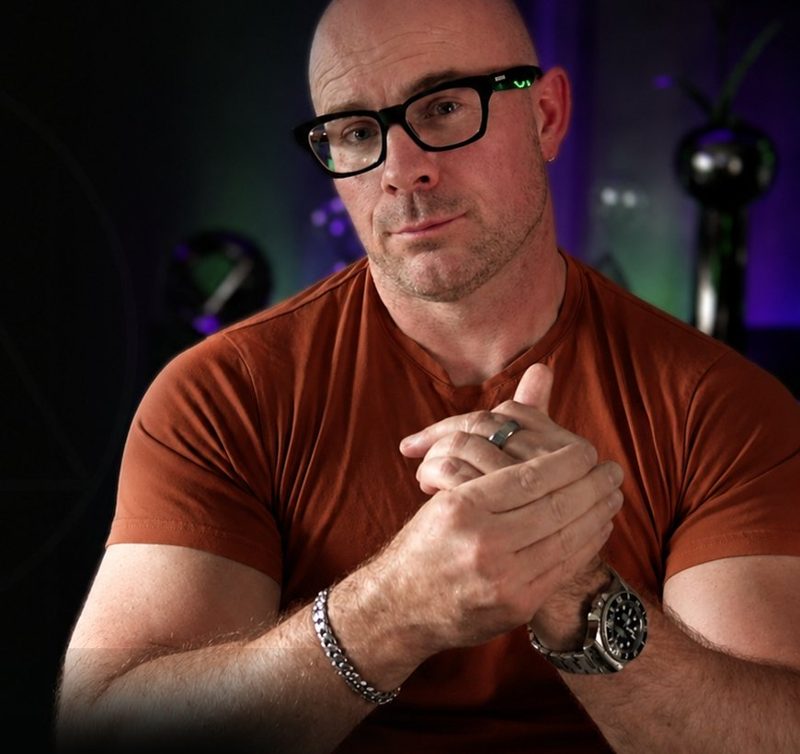
If you’ve tried to talk yourself out of this fear and it hasn’t worked, that isn’t a lack of willpower. A phobia is an alarm your mind learned, and logic alone rarely switches it off.
When a fear is less common, it can be harder to explain, so you may not have told many people about it. I work one to one over Zoom with people whose fears are holding them back, including rarer ones like this, and every plan starts with understanding what your fear is really about.
I’ve spent 17 years in clinical practice and helped more than 1,000 people with phobias. I hold a Postgraduate Certificate and a Postgraduate Diploma in Clinical Hypnotherapy, both with Distinction, and journalists and clients call me the Phobia Guru.
Common questions
Is fear of using public toilets a phobia?
For some people it is, and difficulty urinating around others is commonly known as shy bladder. It is more common than many realise. Because some bladder problems have physical causes, it is wise to see a GP if you notice pain, urgency or other changes.
How can you help?
I use hypnotherapy and NLP to change how your mind responds to the thing you fear, so the old alarm stops going off. Sessions are one to one over Zoom, and you get a recording of the hypnosis to listen to afterwards.
How many sessions will I need?
Many clients notice a real difference after one 90 minute session. If the fear goes back a long way, three sessions gives us room to make the change stick.
Further reading: Cleveland Clinic: Shy bladder syndrome (paruresis) · PubMed: Paruresis or shy bladder syndrome · NHS: Phobias
Ready to start?
A short call is the simplest next step. We’ll talk about your fear, what you’d like to feel instead, and whether I’m the right person to help.
- Take the free test at the top of this page to see how strong your fear is.
- Book a 30 minute call. Use code PHOBIA at checkout for half price: £24.50 instead of £49 ($29.50 outside the UK).
- Start your sessions over Zoom from wherever you live, or face to face in Hertfordshire.
See all session options and prices