
Fear of snow (chionophobia)
En español: lee sobre este miedo en Fobias.org.
A fear of snow can show up when it is forecast, on icy pavements, when driving or when you feel trapped indoors. It can make winter feel like a long wait, and it can be helped.
Understanding this fear
Chionophobia is a strong fear of snow. For some people the fear is about the snow itself, the cold white landscape and the strange quiet, while for others it is about what snow brings, such as ice, falls, driving in bad conditions or being cut off at home. A sensible respect for winter weather keeps us safe. With chionophobia the worry starts at the first forecast and can cast a shadow over the whole season.
It is a less common fear and there is little research on it, so nobody knows how many people have it. It may follow a frightening event, such as a fall on ice, a car skidding or being stranded, or hearing about someone who was hurt. It often overlaps with other fears, such as fear of driving, falling, the cold or being trapped. For some people it sits alongside the low winter mood of seasonal affective disorder, and the two can feed each other.
Common triggers
- Snow or ice in the forecast
- Weather warnings on the news
- The first flakes starting to fall
- Icy pavements and steps
- The thought of driving or being a passenger in snow
- Cancelled trains or blocked roads
- Power cuts or being stuck indoors
- Pictures of avalanches or blizzards
- Short, dark winter days
Where it shows up
- Pavements, car parks and steps in winter
- Roads and motorways in bad weather
- Train stations during disruption
- Hills, fells and ski resorts
- Your own home when snowed in
- Winter holidays in colder countries
- School runs on snowy mornings
Symptoms
In your body
- Tight chest and shallow breathing
- Racing heart when snow is forecast
- Tense muscles and stiff, cautious walking
- Sweating or trembling despite the cold
- Churning stomach
- Poor sleep before a cold snap
In your mind
- I will slip and seriously hurt myself
- We will be stranded and unable to get help
- I cannot cope with being trapped indoors
- Constant worry about what the weather will do next
- Dread that the whole winter has to be endured
What you might do
- Checking forecasts and weather apps many times a day
- Cancelling plans at the first sign of snow
- Refusing to go out even on cleared, gritted paths
- Stocking up far beyond what is needed
- Avoiding winter breaks or trips north
- Relying on others for school runs or shopping
What causes it
Many weather fears start with a frightening moment, such as a bad fall, a skid in the car, a long night stranded or seeing someone hurt. Others are learned, perhaps from a parent who was very anxious about winter, or picked up from dramatic news coverage and disaster films. An anxious temperament or family history of anxiety can make a fear like this more likely to stick. For some, short dark days and low winter mood add fuel. Each time you cancel plans or stay in, you feel relief, but the mind never learns that it can cope, so the fear grows with each winter.
How it can affect your life
Because UK snow can arrive with little warning, this fear can make the whole winter feel tense. People may miss work, school runs, appointments or family visits, or avoid planning anything from November to March. Staying in for long periods can mean less exercise, daylight and contact with others, which can lower mood. Some people avoid winter holidays or moving to colder places altogether.
Things that can help day to day
- Check the forecast once a day at a set time rather than all day
- Get ready sensibly with good grips on your shoes, a warm coat and a basic home kit, then stop preparing
- Use slow breathing when you see a forecast or the first flakes
- Get outside in daylight when it is safe, even briefly, to lift your mood
- Follow official travel advice and never drive in conditions you feel unsafe in
When to get help
It is worth getting help if the fear is stopping you working, keeping appointments or leaving the house in winter. Your GP is the first port of call if anxiety or low mood is affecting daily life, and they can also check whether seasonal affective disorder might be part of the picture. In England you can refer yourself to NHS Talking Therapies too.
How I can help
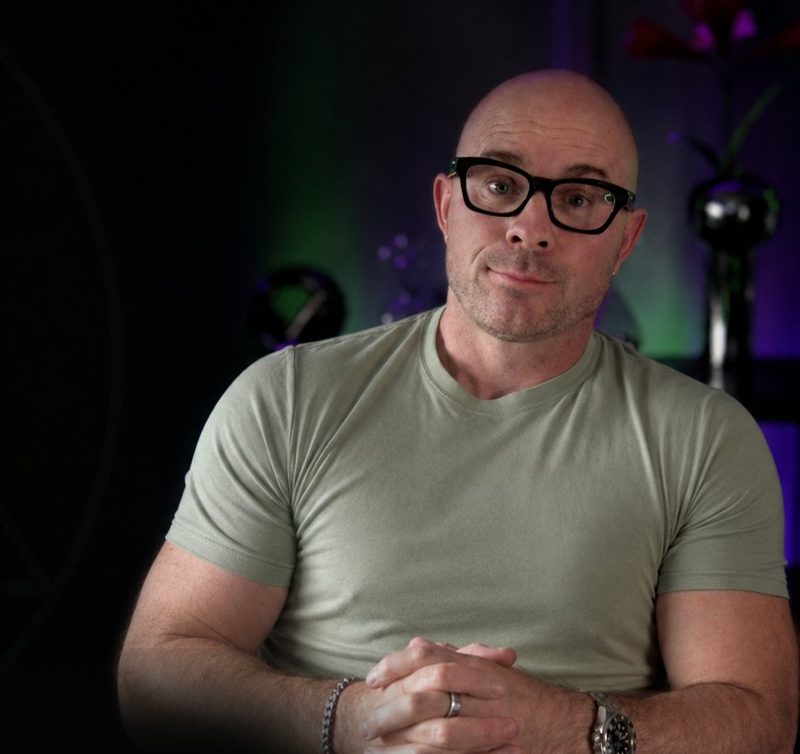
When I work with a fear of snow over Zoom, I first want to know which part frightens you most, the snow itself, the ice, driving, falling or being stuck. Often there is an old memory underneath, and hypnotherapy and NLP can help your mind file it as something that happened, rather than something about to happen again. We then rehearse calm winter scenes in your mind, from watching snow fall through a window to walking carefully along a gritted path. Many clients find they can respect the weather without dreading it.
Common questions
Is a fear of snow a real phobia?
Yes. It is a specific phobia linked to the natural environment, in the same family as fears of storms, heights or water. It counts as a phobia when the fear is out of proportion and gets in the way of life.
Is chionophobia linked to seasonal affective disorder?
They are different things, but they can overlap. SAD is a type of low mood that tends to return each winter, so if you notice low mood, tiredness and loss of interest every year, please speak to your GP.
Should I force myself to go out in the snow?
Safety comes first, so never take risks on ice or on roads you feel unsafe on. Therapy works step by step, often starting in the imagination, so you can build confidence without putting yourself in danger.
Is it a fear of snow or of what comes with it?
Often it is both. For some people it is the cold and white landscape itself, and for others it is the ice, being trapped or falling. We would find out which parts matter to you.
How can you help?
I use hypnotherapy and NLP to change how your mind responds to the thing you fear, so the old alarm stops going off. Sessions are one to one over Zoom, and you get a recording of the hypnosis to listen to afterwards.
How many sessions will I need?
Many clients notice a real difference after one 90 minute session. If the fear goes back a long way, three sessions gives us room to make the change stick.
Further reading: Cleveland Clinic: Chionophobia, fear of snow · NHS: Seasonal affective disorder · NHS: Phobias · Mind: About phobias
Ready to start?
Book a £49 consultation call and we’ll talk through your fear, or take the free suitability test first.
See all session options and prices
Hypnosis downloads for this fear
Prefer to start on your own? This recorded session from my store is £9.99 and yours to keep.
