
Fear of food (cibophobia)
En español: lee sobre este miedo en Fobias.org.
A fear of food can show up at mealtimes, in restaurants, with certain foods or when food feels unsafe. It sometimes overlaps with fears of choking or being sick, and it can be helped.
Understanding this fear
Cibophobia is an intense fear of food. For some people it covers almost everything they eat, and for others it is tied to particular foods, such as meat that might be undercooked, dairy, leftovers or food made by someone else. Being careful about food safety is sensible. With cibophobia the fear is far stronger than the real risk, and it can make every meal feel like a threat.
It sometimes overlaps with fears of choking or being sick, and it can grow out of a single bad experience, such as food poisoning or an allergic reaction. It is different from avoidant restrictive food intake disorder, known as ARFID, where avoidance is often driven by low interest in food or by texture and taste, though a strong food fear can lead into it. It is also separate from eating disorders such as anorexia, where the fear is mainly about weight or shape, but again the two can sit together. Because of these overlaps, a GP is always a good first step.
Common triggers
- Food close to or past its date
- Meat or fish that might be undercooked
- Dairy, eggs or mayonnaise
- Leftovers or reheated food
- Meals cooked by someone else
- New or unfamiliar foods
- Reports of food poisoning or product recalls
- An odd smell, texture or colour
Where it shows up
- Restaurants and takeaways
- Friends’ homes and family meals
- Buffets and barbecues
- Work canteens and school dinners
- Holidays abroad
- Your own kitchen when checking food
Symptoms
In your body
- Racing or pounding heart
- Nausea or gagging at the sight or smell of food
- Tight throat or dry mouth
- Sweating and trembling
- Stomach cramps or churning
- Feeling faint or light headed
In your mind
- This food will make me ill
- I cannot trust anything I have not prepared myself
- I might choke or be sick
- Constant worry about the next meal
- Shame or frustration that others do not understand
What you might do
- Checking dates, labels and cooking over and over
- Sticking to a short list of safe foods
- Throwing food away at the slightest doubt
- Avoiding eating out or at other people’s homes
- Asking others again and again if food is safe
- Skipping meals rather than risk them
What causes it
Many food fears start after a frightening event linked to eating, such as a bad bout of food poisoning, choking, an allergic reaction or seeing someone else go through one. Others grow more slowly from anxious messages about food, whether from family, news stories about contamination or online talk of clean and dirty foods. A tendency to anxiety, or a family history of phobias or eating problems, can make it more likely. The fear can also follow an eating disorder or a fear of vomiting. Once it takes hold, avoiding foods and checking bring quick relief, but each time the safe list shrinks a little and the fear grows.
How it can affect your life
Because we eat every day, this fear can quietly shape a whole life. People may turn down meals out, dread holidays and family events, or spend a lot of time checking and preparing food. Eating a narrow range of foods can affect energy and health, and in some cases lead to weight loss or poor nutrition. It can also be lonely, as so much social life happens around food.
Things that can help day to day
- Keep a simple diary of which foods and situations worry you most
- Use slow breathing before and during meals
- Write down a fearful thought about a food, then a calmer, balanced reply
- Make small, gradual changes with support rather than forcing yourself
- Share your plan with someone you trust so meals feel less lonely
When to get help
Please get help if the fear is affecting how much you eat, your weight, your energy or your social life. Your GP is the first port of call, as they can check your physical health and talk through support. You can also contact the eating disorder charity Beat (beateatingdisorders.org.uk) for advice. Getting help early makes things easier to turn around.
How I can help
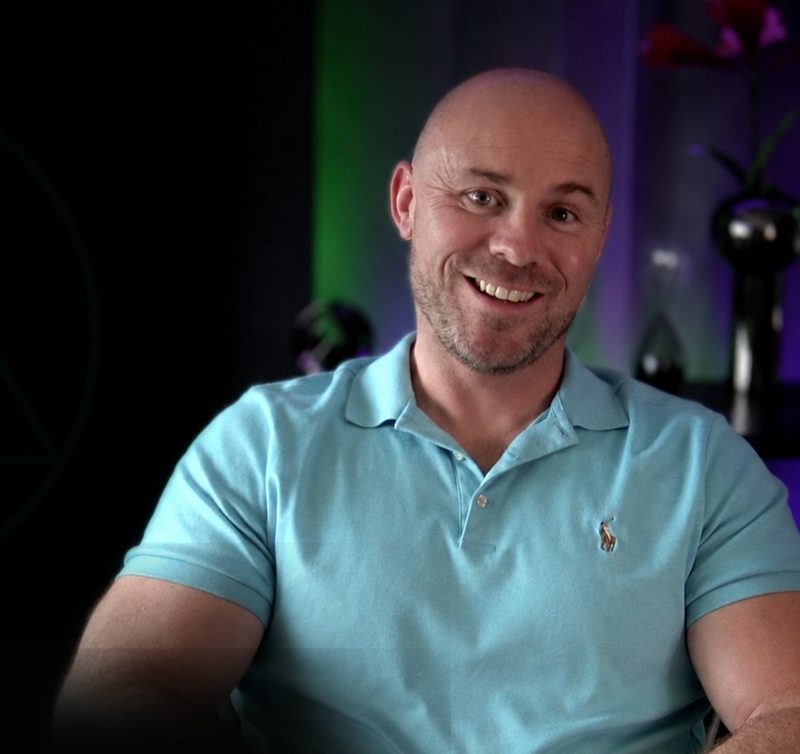
When I work with a fear of food over Zoom, I always want to know your GP is involved, especially if you are eating less. We then look closely at what the fear is about for you, whether that is being poisoned, choking, being sick or losing control, and when it first appeared. With hypnotherapy and NLP I help calm the alarm that fires at certain foods and rehearse relaxed mealtimes in your mind, one small step at a time. Many clients find food starts to feel ordinary again.
Please note: If this fear is affecting how much you eat, please speak to your GP, and you can also contact the eating disorder charity Beat (beateatingdisorders.org.uk).
Common questions
Is a fear of food the same as an eating disorder?
Not always. Cibophobia is a fear of food itself, such as being made ill by it, whereas eating disorders often involve worries about weight or shape. They can overlap, so please see your GP if you are eating less, and Beat can also help.
What is the difference between cibophobia and ARFID?
ARFID is an eating disorder where people restrict what they eat, sometimes because of texture or low interest and sometimes because of a fear of choking or being sick. A food phobia centres on fear of harm from food, but it can lead into ARFID, which is another reason to involve your GP.
Can children have a fear of food?
Yes. Many young children are wary of new foods, which is common and often passes. If a child’s eating is very limited, they seem frightened of food or they are not growing as expected, please speak to your GP.
Is a fear of food an eating disorder?
Not always, but the two can overlap. A phobia is a fear of food itself, often because of choking, sickness or contamination worries. If you are unsure which applies to you, speak to your GP.
How can you help?
I use hypnotherapy and NLP to change how your mind responds to the thing you fear, so the old alarm stops going off. Sessions are one to one over Zoom, and you get a recording of the hypnosis to listen to afterwards.
How many sessions will I need?
Many clients notice a real difference after one 90 minute session. If the fear goes back a long way, three sessions gives us room to make the change stick.
Further reading: Osmosis: Cibophobia · Healthline: Cibophobia · Medical News Today: ARFID
Ready to start?
Book a £49 consultation call and we’ll talk through your fear, or take the free suitability test first.
See all session options and prices
Hypnosis downloads for this fear
Prefer to start on your own? This recorded session from my store is £9.99 and yours to keep.
