
Trichotillomania (hair pulling)
En español: lee sobre esta manía en Fobias.org.
You might find your fingers in your hair before you have even noticed, or feel a pressure building that only eases once a hair comes out. Afterwards there is often a mix of calm and regret, and a quiet worry about who might notice.
What it is
Trichotillomania, often shortened to trich, is a condition where someone feels a strong, repeated urge to pull out their own hair and finds it very hard to stop. Hair is most often pulled from the scalp, but eyebrows, eyelashes, beards and other body hair can be affected too. It is also called hair pulling disorder, and it belongs to a family of habits known as body-focused repetitive behaviours. Today it is grouped with obsessive-compulsive and related conditions, although it is a separate condition from OCD itself.
It usually starts around the early teens, often somewhere between 10 and 13, though it can begin earlier or later. Some estimates suggest that around 1 to 2 in every 100 people are affected over the course of a year, and many more people may not come forward because of embarrassment. In clinics more women and girls are seen, but men are affected too and may be less likely to ask for help. It often sits alongside other repetitive habits such as skin picking or nail biting, and with low mood or anxiety.
How it differs from a phobia
A phobia is a fear that makes you want to get away from something. Trichotillomania works the other way round: it is a pull towards a behaviour. Tension or an itch-like urge builds, pulling a hair brings a moment of relief or even satisfaction, and then shame or frustration often follows when you see the result. Nothing here is being avoided out of fear; the struggle is with an urge that keeps coming back.
Read more about manias and phobias
Common signs
- Thinning hair or bald patches with no other clear cause
- Patchy or missing eyebrows or eyelashes
- Uneven bald areas, often more on one side
- Short broken hairs in the affected area
- Pulling while reading, watching a screen or lying in bed
- Playing with, rolling or looking closely at pulled hairs
- Wearing hats, scarves or makeup to cover hair loss
- Avoiding haircuts, swimming or windy days
When it tends to show up
- Feeling stressed, anxious or under pressure
- Boredom or sitting still for a long time
- Tiredness, especially late at night
- Watching TV, scrolling or reading
- Studying, working at a desk or driving
- Feeling a hair that seems coarse or out of place
- Being alone in the bathroom or bedroom
- Low mood, frustration or feeling overwhelmed
Symptoms
In your body
- A rising tension or tingle before pulling
- A sense of release or calm straight after
- Sore or irritated skin where hair is pulled
- Tired hands or arms after long spells of pulling
- Patches where hair grows back more slowly
In your mind
- A strong urge that feels hard to ignore
- Not realising you have been pulling until afterwards
- Shame, guilt or frustration about the hair loss
- Worry that others will notice or judge you
- Low self-esteem or feeling out of control
What you might do
- Pulling repeatedly despite wanting to stop
- Searching for a certain kind of hair to pull
- Rolling, biting or chewing pulled hair
- Pulling mostly in private
- Covering up or making excuses for hair loss
- Avoiding social plans, dating or the hairdresser
What causes it
Nobody fully understands why trichotillomania develops, and it is probably a mix of several things rather than one cause. It can run in families, so genes may make some people more likely to develop it, although no single gene has been found. Researchers think differences in the parts of the brain involved in habits, emotions and self-control may play a part. For many people, pulling starts as a way of coping with stress, anxiety or boredom, and because it brings quick relief, the brain learns to repeat it. Over time it can become automatic, happening without any conscious decision, which is part of what makes it so hard to stop. It is not caused by bad parenting and it is not a sign of weakness.
How it can affect your life
Hair loss can affect how someone feels about their appearance, and many people spend a lot of time and energy hiding it. This can lead to avoiding swimming, haircuts, dating or close relationships, and to feeling isolated. Long periods of pulling can eat into time for work, study or rest. Repeated pulling can damage hair follicles, so in some cases hair may not grow back fully. Some people swallow or chew the hair they pull, and over time this can form a hairball in the stomach that needs medical treatment.
Treatment
The main evidence-based treatment is a type of cognitive behavioural therapy (CBT) called habit reversal training. It helps you notice when and where pulling happens, spot the early warning signs, and swap pulling for a harmless action with your hands until the urge passes. Some sources also mention acceptance and commitment therapy or skills for managing strong emotions as helpful extras. Medication is not usually the first step for the pulling itself, but a doctor may discuss it, especially if low mood or anxiety are also part of the picture. In the UK, your GP is the usual first step and can check for other causes of hair loss and refer you for therapy.
Things that can help day to day
- Keep a simple diary of when, where and how you pull
- Keep your hands busy with a stress ball or fidget toy
- Clench your fist and tense your arm until an urge passes
- Wear a hat, bandana or gloves at your riskiest times
- Try slow breathing, a warm bath or exercise to ease tension
- Tell someone you trust so they can support you
When to get help
It is worth speaking to your GP if you cannot stop pulling, if you have noticeable hair loss, or if it is affecting your mood, confidence or daily life. Please see a GP soon if you or your child eat or swallow pulled hair, as this can cause stomach problems. OCD-UK has information on hair pulling, and young people can be referred to local NHS children and young people’s mental health services. If you are also feeling very low, talk to your GP or call Samaritans free on 116 123.
How I can help
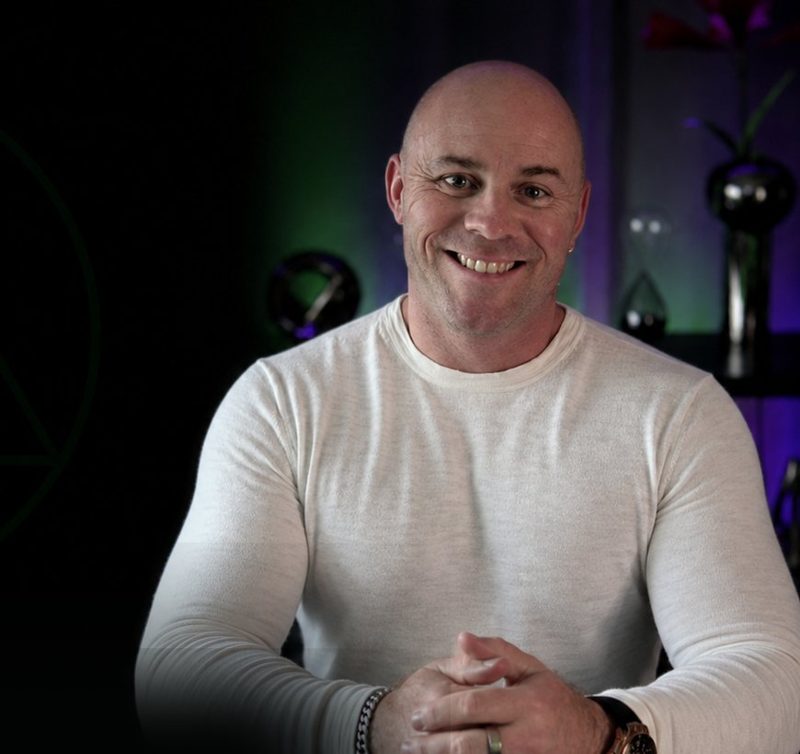
When I work with someone with trichotillomania over Zoom, I use hypnotherapy and NLP alongside, not instead of, the habit reversal and CBT approaches that have the strongest evidence. A lot of hair pulling happens on autopilot, so we start by building awareness of the moments and feelings that come just before the urge. In hypnosis we work on calming the tension that builds up, and on rehearsing a new response with your hands so it starts to feel natural. Many clients find it a relief simply to talk about it without being judged, and to have a calmer way to meet the urge when it comes.
Common questions
Is trichotillomania a form of self-harm?
No. Hair pulling is usually a way of easing tension or a habit that happens on autopilot, rather than an attempt to cause harm. Experts in body-focused repetitive behaviours are clear that it should not be treated as self-harm.
Is trichotillomania a type of OCD?
It is grouped with obsessive-compulsive and related conditions, but it is not the same as OCD. OCD is usually driven by unwanted, frightening thoughts, while hair pulling tends to be driven by an urge, a sensation or a need to ease tension.
Will my hair grow back?
In many cases hair grows back once pulling reduces or stops, although it can take time. Long-term pulling can damage the roots, so in some areas hair may grow back thinner or not at all, which is one reason to get help early.
Do children grow out of hair pulling?
In younger children, hair pulling is sometimes a short phase that settles on its own. In teenagers and adults it is more likely to continue, so if it lasts or causes hair loss, it is worth talking to a GP.
Further reading: NHS: Trichotillomania (hair pulling disorder) · OCD-UK: Trichotillomania · Cleveland Clinic: Trichotillomania (hair pulling disorder) · MSD Manual Professional: Trichotillomania (hair-pulling disorder) · The TLC Foundation for BFRBs: Learn about BFRBs
Ready to start?
Book a 30-minute consultation call over Zoom and we can talk it through, with no obligation to book anything afterwards. Use the code PHOBIA when you pay and the call is half price: £24.50 instead of £49.