
Dermatillomania (skin picking)
En español: lee sobre esta manía en Fobias.org.
It can start with a tiny bump or rough patch that you just want to smooth away, and then time slips by. Afterwards the relief fades quickly, leaving sore skin, marks to cover and a sense that you should have been able to stop.
What it is
Dermatillomania, also called skin picking disorder or excoriation disorder, is a condition where someone repeatedly picks at their skin and finds it very hard to stop, even though it causes damage such as cuts, bleeding, bruising or scarring. Most people pick at a spot or scab now and then; the difference here is that the picking keeps happening, takes up time and causes real distress. It is a body-focused repetitive behaviour and is grouped with obsessive-compulsive and related conditions. Some people pick healthy skin, while others focus on spots, scabs, moles or small bumps.
It often starts in early adolescence, though it can begin at any age. Some estimates suggest that around 2 to 3 in every 100 people are affected, and one source puts it as high as 5 in 100, with women more often affected than men. Because people tend to feel embarrassed and pick in private, it is thought to be underreported. It often sits alongside hair pulling, nail biting, OCD, low mood or body image worries, and skin conditions such as acne or eczema can make it worse.
How it differs from a phobia
A phobia is driven by fear and makes you want to avoid something. Skin picking is the opposite kind of pull: a bump, a feeling of tension or a need for smooth skin draws you in, and picking brings brief relief or satisfaction. That relief is often followed by regret, shame and sore skin, which can add more stress and start the cycle again. The struggle is with an urge to do something, not a fear of something.
Read more about manias and phobias
Common signs
- Open sores, scabs or marks that keep reappearing
- Picking at spots, scabs, moles or rough skin
- Picking without noticing until afterwards
- Long spells in front of a mirror examining skin
- Scars or patches of darker or lighter skin
- Covering skin with makeup, plasters or long sleeves
- Avoiding swimming, shorts or close contact
- Picking more when stressed, bored or tired
When it tends to show up
- Feeling stressed, anxious or tense
- Boredom or sitting still with idle hands
- Noticing a spot, scab or rough patch
- Looking closely in a mirror
- Bright bathroom lighting
- A flare-up of acne or eczema
- Feeling guilty, ashamed or low
- Late at night when tired and alone
Symptoms
In your body
- Cuts, bleeding or bruising from picking
- Sore, inflamed or slow-healing skin
- Scarring or changes in skin colour
- A build-up of tension before picking
- A feeling of release straight after
In your mind
- A strong urge to smooth or fix the skin
- Feeling unable to stop once started
- Shame or guilt after picking
- Worry about how your skin looks to others
- Feeling out of control or frustrated with yourself
What you might do
- Picking repeatedly despite trying to stop
- Searching skin for bumps or blemishes
- Picking mainly in private
- Spending a long time picking in one go
- Covering marks or avoiding being seen
- Cancelling plans because of how your skin looks
What causes it
The causes of skin picking are not fully understood, and it is likely that several factors work together. It seems to run in families, which suggests genes play a part, along with differences in how the brain handles habits, emotions and impulses. For many people, picking becomes a way of dealing with difficult feelings such as stress, anxiety, boredom or shame, because it brings quick relief. Physical things can keep it going too: a scab, a bump or a flare of acne can set off the urge, and picking creates new marks that invite more picking. It is not caused by bad parenting and it is not a lack of willpower.
How it can affect your life
Repeated picking can leave wounds, scars and changes in skin colour, and open skin is at risk of infection, which in rare severe cases can become serious. Many people feel ashamed and spend time and money covering marks, or avoid swimming, holidays, intimacy and social events. Long spells of picking can make people late or distracted at work or school. Over time it can wear down confidence and add to low mood or anxiety.
Treatment
The main evidence-based treatment is cognitive behavioural therapy (CBT), usually including habit reversal training. This helps you spot your triggers and early warning signs, make picking harder, and replace it with a less harmful action until the urge passes. Treatment works best when it is tailored to you, as people pick for different reasons. A doctor may discuss medication in some cases, particularly if anxiety or low mood are also present, and a referral to a skin specialist may help if the skin is badly damaged or an underlying skin condition is involved. In the UK, your GP is the usual first step.
Things that can help day to day
- Note when and where you tend to pick so you can plan ahead
- Keep your hands busy with a soft ball or fidget toy
- Wear gloves or cover problem areas at your riskiest times
- Keep your nails short and smooth
- Moisturise your skin when the urge appears
- Keep picked areas clean and ask someone you trust to help you notice
When to get help
It is time to see your GP if you cannot stop picking, if cuts are not healing within a few days, or if picking is affecting your mood or daily life. If a picked area becomes red, swollen, hot or painful, see a GP or pharmacist, and get urgent medical help if you feel very unwell. OCD-UK has information on skin picking disorder and runs online support groups. If you are also feeling very low, talk to your GP or call Samaritans free on 116 123.
How I can help
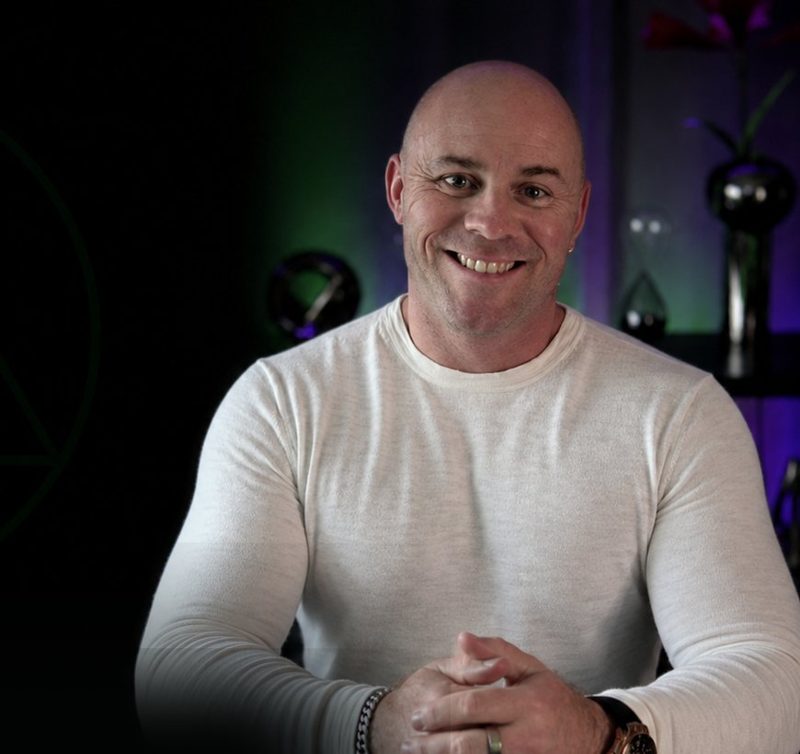
When I work with someone who picks their skin, over Zoom, I use hypnotherapy and NLP alongside, not instead of, CBT and habit reversal training, which have the strongest evidence. We look at the moments, feelings and sensations that come just before the urge, because a lot of picking happens on autopilot. In hypnosis we work on easing the tension that builds up and on rehearsing a calmer response, so you have something to do with your hands and your attention. Many clients find that having a gentle, judgement-free space to work on it makes the urge feel less in charge.
Common questions
Is skin picking a form of self-harm?
Usually not. Skin picking is generally a way of easing tension or a habit that happens on autopilot, rather than an attempt to hurt yourself. Specialists in body-focused repetitive behaviours say it should not be treated as self-harm.
How do I know if my skin picking is a problem?
Most people pick at a spot now and then. It is worth getting help if you pick often, find it hard to stop, cause cuts or scars, or feel distressed or embarrassed by it.
Is dermatillomania the same as OCD?
No, although it is grouped with obsessive-compulsive and related conditions and the two can happen together. OCD is usually driven by unwanted, frightening thoughts, while skin picking tends to be driven by an urge, a sensation or a need to ease tension.
What should I do if a picked area looks infected?
Keep it clean and try to leave it alone, and see a pharmacist or your GP if it becomes more red, swollen, hot or painful. If you feel very unwell, get urgent medical help.
Further reading: NHS: Skin picking disorder · OCD-UK: Skin picking disorder · The TLC Foundation for BFRBs: Skin picking disorder · MSD Manual Professional: Excoriation (skin-picking) disorder · The TLC Foundation for BFRBs: Learn about BFRBs
Ready to start?
Book a 30-minute consultation call over Zoom and we can talk it through, with no obligation to book anything afterwards. Use the code PHOBIA when you pay and the call is half price: £24.50 instead of £49.