
Kleptomania (urges to steal)
En español: lee sobre esta manía en Fobias.org.
You might find yourself taking something you never meant to take, something you do not even want. The relief lasts a moment, then the guilt and fear arrive, along with the question of why you keep doing it.
What it is
Kleptomania is a mental health condition in which someone keeps feeling an urge to steal that they cannot resist, even though the things they take are usually not needed and are often of little value. The stealing is not done for gain, revenge or a dare; it is driven by the urge itself. It is classed as an impulse control disorder, including in the World Health Organization’s ICD-11, which groups it with pyromania. Researchers still debate where it fits best, and some now see it as closer to an addiction.
Kleptomania is thought to be rare. Some estimates suggest it affects around 3 to 6 in every 1,000 people, and only a minority of people caught shoplifting turn out to have it. It usually starts in the teenage years or early adulthood, though it can begin later. About two in three people seen in clinics are women, but the true picture is unclear, and it often sits alongside depression, anxiety, substance use and other impulse control problems.
How it differs from a phobia
A phobia is a fear that pushes you away from something, so you avoid it. Kleptomania pulls the other way. Tension or anxiety builds until taking something brings a moment of relief or even a thrill, and then guilt, shame and fear of being caught usually follow. Some people with kleptomania do start avoiding shops, but that is to keep the urge at bay, not because shops themselves feel frightening.
Read more about manias and phobias
Common signs
- Taking things you do not need or could easily afford
- Stealing on the spur of the moment, usually alone
- Rising tension or anxiety before taking something
- A rush, pleasure or relief while stealing
- Strong guilt, shame or self-loathing afterwards
- Stolen items left unused, given away or returned
- Urges that come back again and again
- Keeping the problem secret out of shame
When it tends to show up
- Feeling stressed, anxious or under pressure
- Feeling low, empty or numb
- Boredom or restlessness
- Being in a shop, especially on your own
- Visiting friends’ homes or going to parties
- After an argument or upsetting news
- Feeling lonely or overlooked
Symptoms
In your body
- A build-up of tension or restlessness
- A racing heart or rush as the urge peaks
- A wave of relief straight afterwards
- Trouble sleeping after an episode
In your mind
- A powerful urge that feels hard to ignore
- Knowing it is wrong but feeling unable to stop
- Guilt, shame and self-loathing afterwards
- Fear of being caught or arrested
- Low mood or anxiety
What you might do
- Taking items without having planned to
- Stealing things of little value
- Leaving taken items unused or giving them away
- Secretly returning items
- Avoiding shops to stay away from temptation
- Keeping the urges secret from loved ones
What causes it
Nobody knows for sure what causes kleptomania, and research is still limited. Some researchers think differences in brain chemicals such as serotonin, which helps with mood and impulse control, may play a part. Others point to the brain’s reward system, which may explain why stealing can feel rewarding in the moment, much as some addictions do. The relief that follows each episode can also teach the brain to repeat it, so a habit forms over time. It seems more likely in people with a family history of kleptomania or addiction, and in people who also live with depression, anxiety or substance use problems. It is not a sign of bad character.
How it can affect your life
Kleptomania can bring deep shame and a constant fear of being found out. Stealing is a criminal offence, and studies suggest most people with kleptomania who reach treatment have been caught shoplifting at least once; some end up in court or prison after repeated thefts. It can also affect jobs, money, family life and friendships, and the secrecy can be very isolating. Some people become very low, which is one more reason to reach out for support early.
Treatment
Research on treatment is still fairly small, but talking therapies based on cognitive behavioural therapy (CBT) are the main approach. These can include learning to spot high-risk moments, riding out the urge until it fades, and covert sensitisation, where you picture the real consequences of stealing to weaken the pull. A small trial of group CBT with mindfulness found symptoms and quality of life improved, although larger studies are needed. A doctor may also discuss medication, and treating any depression, anxiety or substance use alongside it matters too. In the UK, your GP is the usual first step and can refer you to mental health services.
Things that can help day to day
- Tell someone you trust what you are going through
- Shop with a list and, where you can, with a friend or relative
- Stay away from shops when the urge feels strong
- Write down what you were feeling before each urge
- Try a short breathing or mindfulness exercise when tension builds
- Plan another way to release tension, such as a walk or a phone call
When to get help
If you cannot stop stealing, feel overwhelmed by guilt, or have been caught or worry that you will be, it is time to get help, and the sooner the better. Your GP is a good place to start and can refer you to a mental health team or talking therapy. If you are worried about someone else, raise it gently and without judgement, focusing on their wellbeing rather than the stealing. If you ever feel you cannot go on, call Samaritans free on 116 123 at any time, or call 999 if you are in immediate danger.
How I can help
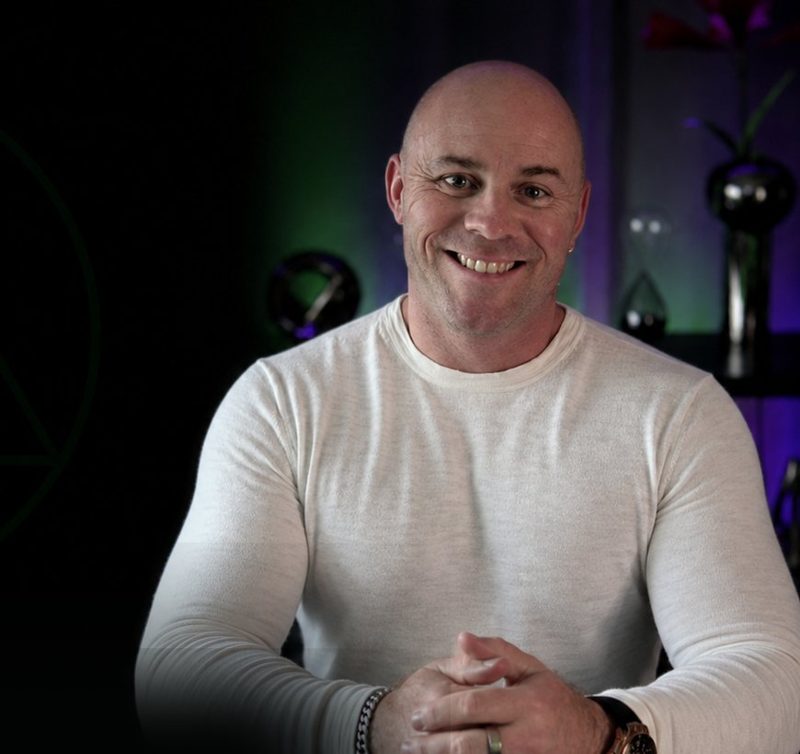
I work with kleptomania alongside the care you get from your GP or therapist, never instead of it. Over Zoom, I use hypnotherapy to help you notice the build-up of tension earlier and to practise staying calm and steady while the urge rises and falls. With NLP we look at the moments and feelings that tend to set the urge off and rehearse different responses before you meet them. Many clients find this helps them feel less at the mercy of the urge and more able to use the strategies their treatment gives them. I will not promise a cure, and I will never judge you.
Common questions
What is the difference between kleptomania and shoplifting?
Ordinary shoplifting is usually done for gain, because someone wants or needs the item or plans to sell it, or sometimes on a dare. In kleptomania, the urge itself drives the stealing: the items are often not needed, tension builds beforehand and relief or pleasure follows. People with kleptomania usually feel deeply guilty afterwards.
Is kleptomania a real mental health condition?
Yes. It is a recognised impulse control disorder, listed in the World Health Organization’s ICD-11 and in the diagnostic manual used by psychiatrists. It is rare, but it can cause real distress and harm, and it can be treated.
Can kleptomania be treated?
Yes, although there is no quick fix. Talking therapies such as CBT can help people understand their urges and respond to them differently, and a doctor may discuss medication. Getting help early may stop the problem getting worse.
How can I help someone I think has kleptomania?
Choose a calm, private moment and raise it gently, without blame. Focus on your care for them and the risks they face, and accept that willpower alone is often not enough. Encourage them to see their GP, and offer to go with them.
Further reading: Mayo Clinic: Kleptomania, symptoms and causes · Grant and Odlaug (2008), Kleptomania: clinical characteristics and treatment, Revista Brasileira de Psiquiatria · Asami and colleagues (2022), Cognitive behavioural group therapy with mindfulness for kleptomania: an open trial, The Cognitive Behaviour Therapist · ICD-11 (WHO): Impulse control disorders block 6C70 to 6C7Z, Find-A-Code listing · Samaritans: Contact a Samaritan
Ready to start?
Book a 30-minute consultation call over Zoom and we can talk it through, with no obligation to book anything afterwards. Use the code PHOBIA when you pay and the call is half price: £24.50 instead of £49.