
Oniomania (compulsive buying)
En español: lee sobre esta manía en Fobias.org.
You might feel a lift the moment you click buy, then a sinking feeling when the parcel arrives or the statement lands. If you keep going back despite promising yourself you will stop, you are not alone, and it is not about being greedy or careless.
What it is
Oniomania is an old name for what is now called compulsive buying, or compulsive buying-shopping disorder. It means having strong, repeated urges to shop or buy that are hard to resist, often for things you do not need, and carrying on despite the harm it causes. The World Health Organization’s ICD-11 places it under other specified impulse control disorders, while the DSM-5-TR used by many psychiatrists does not list it as a separate diagnosis. Some experts think it fits better alongside behavioural addictions, and that debate is still going on.
It usually starts in the late teens or early twenties, around the time many people first leave home and get access to credit. Some estimates suggest around 1 in 20 adults may be affected, though figures vary a lot depending on how it is measured. Clinics see far more women than men, but community surveys suggest men may be affected almost as often and may be less likely to seek help. It often sits alongside depression, anxiety, eating disorders and other impulse control or substance use problems.
How it differs from a phobia
A phobia is fear that makes you avoid something. Compulsive buying works the other way: shops, websites and sales pull you in. Anxiety or low mood builds, buying brings a short burst of relief or excitement, and regret or guilt often follows soon after. The problem is a pull you struggle to resist, not a fear you try to escape.
Read more about manias and phobias
Common signs
- Buying things you do not need or did not plan to buy
- Feeling an urgent pull to shop, online or in person
- A buzz or relief while buying, then guilt or regret
- Unused items piling up, some with the tags still on
- Hiding purchases, parcels or bank statements
- Spending more than you can afford or building up debt
- Arguments with family or a partner about money
- Trying to cut back but not managing to
When it tends to show up
- Feeling stressed, anxious or low
- Boredom or loneliness
- Anger or after an argument
- Seeing sales, adverts or limited-time offers
- Scrolling shopping apps or social media
- Late at night when you cannot sleep
- Wanting a lift after a hard day
Symptoms
In your body
- Restlessness or tension before shopping
- A rush of excitement while buying
- A sinking feeling soon afterwards
- Poor sleep from late-night browsing or money worries
In your mind
- Thinking about shopping much of the time
- Feeling you need to buy something right now
- Guilt, shame or regret after buying
- Worry about money and debt
- Feeling out of control
What you might do
- Buying in binges, often the same kinds of items
- Leaving items unused or sending them back
- Overspending on gifts for other people
- Hiding parcels or spending from others
- Using credit or borrowing to keep shopping
What causes it
Nobody knows exactly what causes compulsive buying, and it is probably a mix of things. Buying can give the brain a quick burst of reward, and if shopping is used to escape stress, anxiety or low mood, the relief teaches the brain to reach for it again. It seems more likely in people who live with depression or anxiety, and some studies find higher rates of depression and alcohol or drug problems in their families. Modern life plays a part too: easy credit, one-click online shopping and constant adverts make it very easy to buy on impulse. It is not a sign of greed or weakness.
How it can affect your life
The most obvious harm is to money: overspending can lead to debt, missed bills and serious financial worry. Secrecy and money arguments can strain relationships and family life. Many people feel guilt and shame, which can deepen low mood or anxiety and, in turn, feed the urge to shop. Unused items can also build up at home.
Treatment
There is no single standard treatment yet, but cognitive behavioural therapy (CBT), particularly in a group, has shown promising results in small trials. Therapy usually looks at the feelings and cues that set off shopping and builds other ways to cope. Treating any depression or anxiety alongside it matters, and a doctor may discuss medication, although research on medicines is mixed. Free debt advice and couples or family support can also help. In the UK, your GP is the usual first step.
Things that can help day to day
- Pause before buying and ask if you really need it
- Delete shopping apps and unsubscribe from sale emails
- Remove saved card details from shopping sites
- Set a weekly budget and keep track of what you spend
- Notice how you feel before you shop and write it down
- Shop with a list, and with someone you trust if it helps
When to get help
If shopping feels out of control, you are hiding spending, or it is causing debt or arguments, it is time to get help. Your GP is a good place to start and can refer you for talking therapy and check for low mood or anxiety. For money worries, you can get free, confidential debt advice from StepChange or National Debtline (0808 808 4000), or from Citizens Advice. If you ever feel you cannot cope, call Samaritans free on 116 123.
How I can help
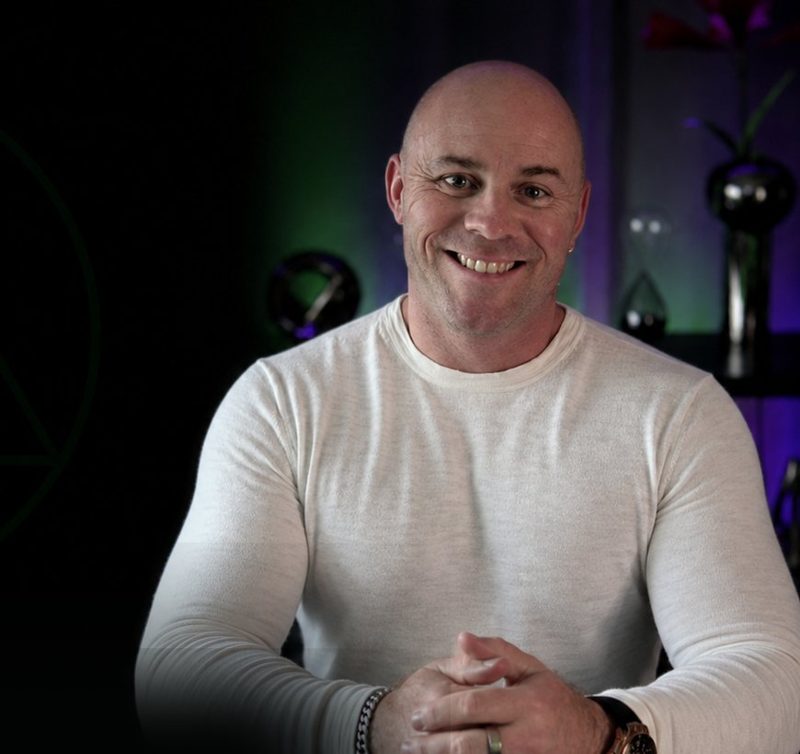
When I work with compulsive buying over Zoom, I see hypnotherapy and NLP as support alongside your GP, any therapy and any debt advice, not a replacement for them. Together we look at the feelings that tend to come before the urge, such as stress, boredom or low mood, and use hypnosis to practise feeling calm and settled in those moments. With NLP we rehearse pausing, noticing the pull and choosing what you actually want to do next. Many clients find this gives them a little more space between the urge and the purchase, which makes the practical steps easier to stick to. I never promise a cure, and I will never judge you.
Common questions
Is compulsive buying a real disorder?
Yes, many experts recognise it. The World Health Organization’s ICD-11 places it under other specified impulse control disorders, although the DSM-5-TR does not list it separately. What matters most is whether shopping is causing you distress or harm.
What is the difference between loving shopping and compulsive buying?
Enjoying shopping is normal. Healthy shopping tends to be calm, planned and focused on what you need, while compulsive buying feels urgent, is driven by emotions and keeps going despite debt, guilt or arguments.
Is shopping addiction the same as gambling addiction?
No. They can feel similar, as both involve urges, a buzz and then regret, but they are treated as separate conditions. In ICD-11, gambling disorder is classed separately from impulse control disorders such as compulsive buying. If gambling is part of the picture too, mention it to your GP.
Where can I get help with debt from shopping?
Free, confidential debt advice is available from charities such as StepChange and National Debtline, and you can also contact Citizens Advice. It also helps to see your GP about the urges themselves, so that both the money and the cause get attention.
Further reading: Tavares, Lobo, Fuentes and Black (2008), Compulsive buying disorder: a review and a case vignette, Revista Brasileira de Psiquiatria · Eliyahu and colleagues (2025), Impulsivity and compulsivity in compulsive buying, Frontiers in Psychiatry · Cleveland Clinic: How to stop compulsive shopping · StepChange Debt Charity · National Debtline
Ready to start?
Book a 30-minute consultation call over Zoom and we can talk it through, with no obligation to book anything afterwards. Use the code PHOBIA when you pay and the call is half price: £24.50 instead of £49.