
Fear of contracting a disease (nosophobia)
En español: lee sobre este miedo en Fobias.org.
A fear of contracting a disease can show up when you read about an illness, notice a symptom or are near someone who is unwell. It can fill your days with worry and checking. It is close to health anxiety, and it can be helped.
Understanding this fear
Nosophobia is a strong, lasting fear of catching or developing a serious disease. It is natural to feel uneasy when a bug is going round or someone you love is ill, but with this fear the worry stays switched on, even after a clear check-up. It often centres on one particular illness, such as cancer, heart disease or an infection in the news. Reading about a condition or hearing that someone has it can be enough to bring on a wave of anxiety.
It usually starts in early adulthood, though it can begin at any age. It is close to health anxiety, which the NHS describes as worry about being or becoming ill that starts to take over daily life. It sometimes follows a period of caring for someone who was seriously ill, or a time when illness was constantly in the news. It can also overlap with fears of germs, hospitals and dying.
Common triggers
- News of outbreaks or new illnesses
- Hearing a friend or celebrity has a disease
- A new ache, lump or mark on your body
- Health programmes and adverts
- Someone coughing or sneezing nearby
- Searching symptoms online
- Anniversaries of a loved one’s illness
- Medical letters or screening invitations
Where it shows up
- Doctors’ surgeries and hospitals
- Public transport
- Supermarkets and busy shops
- Gyms and swimming pools
- Visiting someone who is unwell
- Lying awake at night
- Online health forums
Symptoms
In your body
- Racing heart and quick breathing
- Tension headaches
- Tight chest or stomach
- Dizziness or light-headedness
- Sweating and feeling hot
- Trouble falling or staying asleep
In your mind
- This symptom must mean something serious
- The doctor might have missed something
- I am bound to catch it if I go out
- Images of being very ill or in hospital
- Brief relief after reassurance, then fresh doubt
- Difficulty focusing on anything else
What you might do
- Checking your body for lumps or changes
- Searching symptoms online for hours
- Asking for repeat tests or appointments
- Avoiding medical shows, news or doctors altogether
- Excessive hand washing or avoiding people
- Seeking reassurance from family again and again
What causes it
Often there is no single cause. Caring for or losing someone to a serious illness, or being ill yourself as a child, can leave the mind on high alert. Outbreaks and constant news coverage, along with easy access to online symptom checkers, can feed the worry. Anxiety itself causes real body sensations, such as a fast heartbeat or a tight chest, which then get read as signs of disease. Checking, searching and asking for reassurance bring brief relief, but they teach the brain that the threat was real, so the doubts soon return.
How it can affect your life
The fear can eat up hours each day in checking, searching and worrying. It can make people avoid crowds, travel, gyms or social events, or book frequent appointments, which adds stress and takes time. Relationships can feel the strain when loved ones are asked for reassurance over and over. Some people go the other way and avoid doctors altogether, which can mean real problems are missed.
Things that can help day to day
- Keep a diary of how often you check, search or ask for reassurance, then cut down bit by bit
- Notice the urge to search symptoms online and write it down instead of acting on it
- Write a worrying thought next to a more balanced explanation
- Use a walk, a phone call or a task to ride out the urge to check
- Limit news and health content to short, set times
When to get help
If you have a symptom that worries you, please see your GP so it can be checked properly. It is also worth getting help if health worries are stopping you living normally, or if self-help is not making a difference. In England you can refer yourself to NHS talking therapies. If you are feeling low as well, speak to your GP or call Samaritans on 116 123.
How I can help
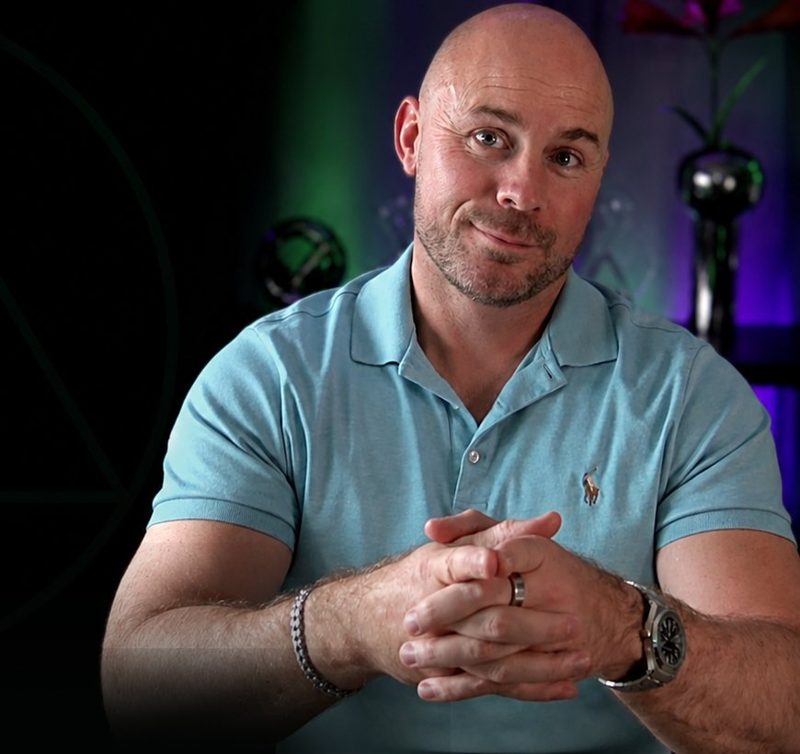
I always ask that any new or worrying symptom goes to your GP first. Over Zoom, we then look at what lies underneath the fear, often a specific illness in the family or a frightening time you lived through. In hypnosis, you rehearse noticing a body sensation calmly, without jumping to the worst, and we use NLP to loosen the urge to check and search. Many clients find their attention returns to everyday life, and their GP visits feel calmer and more useful.
Please note: If you have a symptom that worries you, please see your GP so you can be checked and put your mind at rest.
Common questions
Why does reassurance from my doctor not last?
Reassurance eases anxiety for a short while, but the mind soon finds a new doubt. Over time, seeking it repeatedly can keep the fear going. Learning to live with some uncertainty is often a big part of getting better.
Can anxiety cause physical symptoms?
Yes. Anxiety can cause headaches, a fast heartbeat, tight muscles, stomach upsets and more, which are easy to mistake for illness. Your GP can help you tell the difference.
Is it bad to look up symptoms online?
Searching often makes worry worse, because the internet tends to show the most frightening possibilities first. If you are worried about a symptom, your GP is a far better source than a search engine.
Is this the same as health anxiety?
They are very close. Both involve a strong worry about becoming seriously ill, often with a lot of checking and reassurance seeking. The fear itself can cause real physical sensations, which can make it feel even more convincing.
How can you help?
I use hypnotherapy and NLP to change how your mind responds to the thing you fear, so the old alarm stops going off. Sessions are one to one over Zoom, and you get a recording of the hypnosis to listen to afterwards.
How many sessions will I need?
Many clients notice a real difference after one 90 minute session. If the fear goes back a long way, three sessions gives us room to make the change stick.
Further reading: NHS: Health anxiety · Healthline: Nosophobia · WebMD: What is nosophobia
Ready to start?
Book a £49 consultation call and we’ll talk through your fear, or take the free suitability test first.
See all session options and prices
Hypnosis downloads for this fear
Prefer to start on your own? This recorded session from my store is £9.99 and yours to keep.
