
Fear of technology (technophobia)
En español: lee sobre este miedo en Fobias.org.
A fear of technology can show up with smartphones, self-service tills, online forms, smart devices and AI. For many people it is general discomfort, but for some it grows into real anxiety that gets in the way, and that can be helped.
Understanding this fear
Technophobia is a strong fear or dread of technology, such as smartphones, computers, self-service tills, online forms, smart speakers or artificial intelligence. Plenty of people find new gadgets annoying or confusing, and that is completely normal. What sets technophobia apart is the strength of the reaction: your heart races, your mind goes blank, and you put things off or hand them to someone else, even when that costs you. It is not a formal diagnosis on its own, but when it is strong it behaves much like any other phobia.
It can affect anyone, though it seems more likely in older adults and in people who already live with anxiety. One study of adults in their fifties and sixties found that those who used computers less often, or felt they needed help, tended to report more computer anxiety. Many people can link the fear to a bad experience, such as losing work, being scammed or feeling foolish in front of others. It often sits alongside other worries, like a fear of making mistakes, a fear of being judged, or a general unease about how fast the world is changing.
Common triggers
- Being asked to update an app or phone
- Self-service tills and ticket machines
- Online forms that time out
- Passwords, codes and two-step logins
- Error messages and frozen screens
- Joining a video call
- Smart speakers and devices that listen
- News stories about AI, hacking or scams
- Letters saying a service is now online only
- Watching others tap through screens at speed
Where it shows up
- Supermarket self-checkouts
- Banking apps and online banking
- Online GP appointment booking
- New software at work
- Station ticket machines
- Car parks that only take app payments
- Family video calls
- Airport check-in kiosks
Symptoms
In your body
- Racing or pounding heart
- Hot face and sweating
- Quick, shallow breathing
- Tight chest or shoulders
- A knot in the stomach or feeling sick
- Shaky hands that make typing harder
- Dizziness
In your mind
- I will press the wrong thing and break it
- Everyone else understands this except me
- I am going to lose my money or my details
- Mind going blank when the screen changes
- Feeling old, stupid or left behind
- Dread when a letter tells you to go online
What you might do
- Putting off updates and new devices
- Asking family to do online tasks for you
- Queuing for a staffed till even when it takes longer
- Writing down every step and checking it over and over
- Avoiding jobs or courses that need computer skills
- Turning down video calls or keeping the camera off
What causes it
There is rarely one single cause. A bad moment, such as a scam, a lost file or being rushed at a machine with a queue behind you, can teach the mind that technology means danger or embarrassment. Media stories about hacking, data leaks and machines going wrong add to the picture, as can a general worry about the future or growing up around people who distrusted gadgets. Some people with wider anxiety find that technology is simply where their worry lands, because it changes so quickly and feels hard to control. Avoidance then keeps the fear going: each time someone else does the task for you, you feel relief, but you never get the proof that you could have managed. Over time the confidence gap widens and the next new thing feels even harder.
How it can affect your life
As more services move online, technophobia can quietly cut people off. Booking a GP appointment, banking, paying for parking or claiming a refund can all become a source of dread, and some people pay more or miss out because the cheaper option is online. At work it can hold back promotions or make every new system feel like a threat. Research also links low comfort with technology to less independence in later life, including less use of online health services. Relying on others for everyday tasks can strain relationships and chip away at confidence.
Things that can help day to day
- Pick one task you want to master and practise just that, little and often
- Ask someone patient to sit beside you while you press the buttons yourself
- Slow your breathing before you start, with a longer breath out than in
- When an error message appears, pause and read it slowly before reacting
- Look for a beginners class or a friend who is happy to go at your pace
When to get help
It is worth getting help if the fear is stopping you doing things you need to do, such as managing money, booking appointments or keeping up at work, or if it brings on panic. If anxiety is affecting your daily life more widely, your GP is a good first port of call, and in England you can also refer yourself to NHS talking therapies. Support is also worthwhile if the fear is tied to a past scam or loss that still upsets you.
How I can help
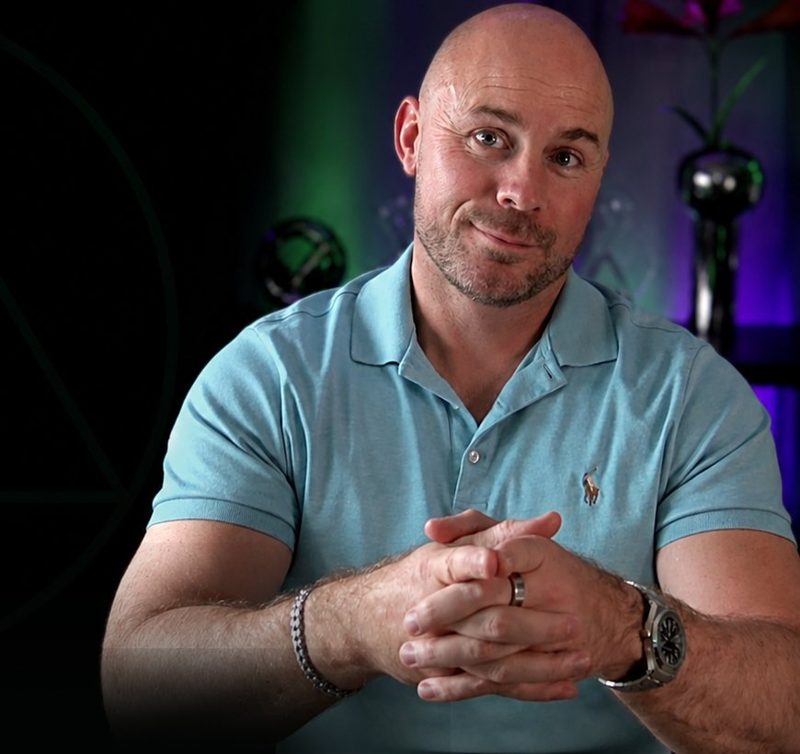
When I work with someone who dreads technology, I start by finding out what the fear is really about. For some it is fear of breaking something, for others it is fear of looking foolish, and for others it goes back to a scam or a moment of panic at a machine. Over Zoom I use hypnotherapy and NLP to help you rehearse those tasks in your mind while you feel calm and clear headed, so your brain starts to link the screen with steadiness rather than alarm. Many clients find they then try things at home that they had put off for years. It helps, too, that the sessions themselves happen on a screen, which quietly becomes part of the practice.
Common questions
Is technophobia a real phobia?
It is not listed as a diagnosis in its own right, but some clinicians treat strong cases in the same way as a specific phobia. If the fear brings on panic or stops you doing things you need to do, it deserves to be taken seriously.
Why do I panic when my phone asks me to update?
Updates change things you are used to, and if part of you expects to lose something or get it wrong, the alarm fires before you have even read the message. Taking a slow breath and reading the message twice often turns it back into an ordinary choice.
Can older people get over a fear of technology?
Yes, age is not the barrier it can seem. Research suggests that people who use technology less often, or feel they need help, report more anxiety, so steady and supported practice can make a real difference at any age.
Is this a true phobia or just not liking gadgets?
Technophobia is a broad term, and often it is general discomfort rather than a phobia. It becomes a problem when the anxiety stops you doing things you need or want to do. That is where support can help.
How can you help?
I use hypnotherapy and NLP to change how your mind responds to the thing you fear, so the old alarm stops going off. Sessions are one to one over Zoom, and you get a recording of the hypnosis to listen to afterwards.
How many sessions will I need?
Many clients notice a real difference after one 90 minute session. If the fear goes back a long way, three sessions gives us room to make the change stick.
Further reading: Cleveland Clinic: Technophobia · PMC: Computer anxiety and technophobia in older adults · NHS: Phobias
Ready to start?
Book a £49 consultation call and we’ll talk through your fear, or take the free suitability test first.
See all session options and prices
Hypnosis downloads for this fear
Prefer to start on your own? This recorded session from my store is £9.99 and yours to keep.
