
Fear of scratches (amychophobia)
En español: lee sobre este miedo en Fobias.org.
Amychophobia is a fear of scratches, whether from an animal, a thorn or a sharp edge. It can make someone wary of cats, rose bushes or rough surfaces. Some people worry less about the sting and more about the mark it leaves or the chance of infection.
About this phobia
The name comes from the Greek amyche, meaning scratch. It is an uncommon term with very little clinical documentation. It may overlap with ailurophobia, the fear of cats, and with wider worries about injury or blood.
How it shows up
Amychophobia can make everyday tasks like gardening, stroking a pet or reaching into a cupboard feel risky. For some the fear centres on the sharp moment of being scratched, while for others it is about blood, infection or a lasting mark. The worry often grows around cats, brambles and rough edges, so people may plan routes and activities to keep well clear. This differs from normal care around sharp things because the fear stays even when the chance of harm is small.
Common triggers
- Cats or other pets with claws
- Thorny plants such as roses and brambles
- Rough surfaces or broken edges
- Seeing a scratch on someone else
- Long nails
- Thinking about infection after a graze
- Opening parcels with sharp tape or staples
Where it shows up
- Gardens and parks
- Homes with pets
- Woodland walks
- Jobs involving tools or boxes
- Children’s play areas
Symptoms
In your body
- Pulling back sharply from edges or claws
- Sweaty palms
- A tight chest or fast breathing
- Feeling faint at the sight of a scratch
In your mind
- Worry about scarring
- Fear of infection
- Thinking ahead to the pain
- Constant alertness near sharp things
What you might do
- Wearing long sleeves or gloves
- Keeping away from pets
- Giving up gardening
- Checking the skin for marks
What may cause it
Amychophobia has very little research of its own and is usually understood alongside fears of injury, blood and animals. A painful scratch or an infected wound in the past may leave a strong memory. Some people feel faint or queasy at the sight of blood or injury, which is a known pattern in blood and injury fears. Avoiding risky situations brings relief but keeps the fear going.
How it can affect your life
The fear can make it hard to enjoy pets, gardens or the outdoors and may affect work involving sharp tools or materials. Some people feel left out at friends’ homes where there are cats or dogs. Even routine jobs such as trimming a hedge or unpacking shopping can start to feel like a risk.
Related fears
- Fear of cats (ailurophobia)
- Fear of blood (haemophobia)
- Fear of injury (traumatophobia)
Things that can help day to day
- Wear gardening gloves and long sleeves for practical jobs
- Learn simple first aid for small cuts so you feel prepared
- Spend short spells with a calm, gentle pet while its owner is nearby
- Remind yourself that most minor scratches heal well with basic care
When to get help
If you are scratched by an animal, or a scratch becomes red, hot, swollen or very painful, see a GP or pharmacist. If the fear is limiting your life, a therapist who works with phobias can help.
Explore more unusual fears in the rare phobias A to Z, or browse the common phobias.
About me
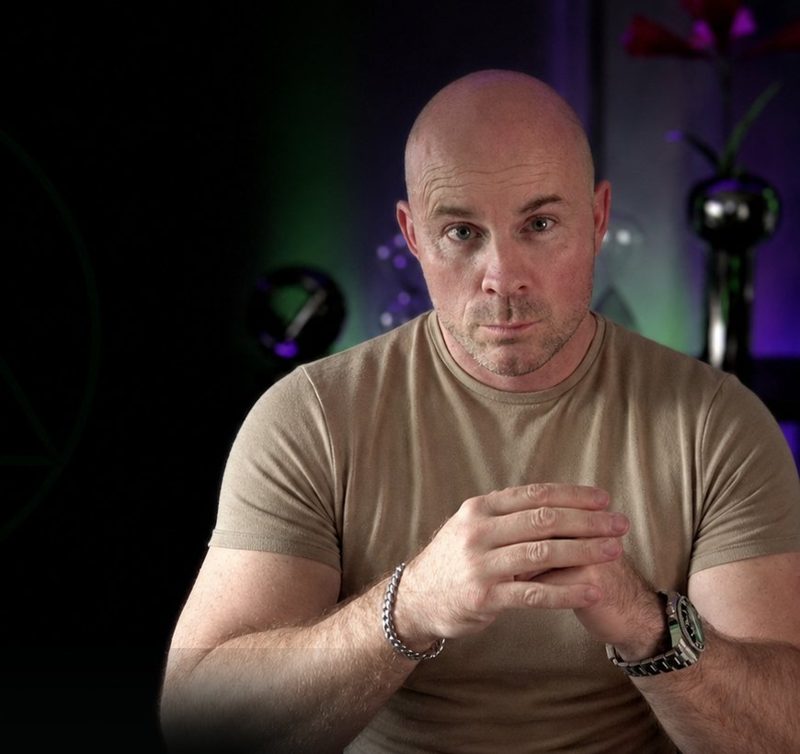
I am Adam Cox, a clinical hypnotherapist with more than 20 years of experience, and journalists and clients call me the Phobia Guru. I work one to one over Zoom with people whose fears are holding them back, including rarer ones like this. Every plan starts with understanding what your fear is really about.
Common questions
Should I worry about a scratch getting infected?
Most small scratches heal well with simple cleaning. Signs like spreading redness, swelling, heat or a fever are worth checking with a GP or pharmacist. Knowing what to look for can help keep the worry in proportion.
How can you help?
I use hypnotherapy and NLP to change how your mind responds to the thing you fear, so the old alarm stops going off. Sessions are one to one over Zoom, and you get a recording of the hypnosis to listen to afterwards.
How many sessions will I need?
Many clients notice a real difference after one 90 minute session. If the fear goes back a long way, three sessions gives us room to make the change stick.
Further reading: Blood injury and injection phobia: the neglected one, PubMed Central
Ready to start?
Book a £49 consultation call and we’ll talk through your fear, or take the free suitability test first.
See all session options and prices
Hypnosis downloads for this fear
Prefer to start on your own? This recorded session from my store is £9.99 and yours to keep.
