
Fear of looking up (anablephobia)
Anablephobia is a fear of looking up. It may show up as dizziness or unease when gazing at tall buildings, high ceilings or the sky. Some people find they keep their eyes down in city streets or cathedrals without quite knowing why.
About this phobia
The term is usually linked to the Greek anablepein, to look up. It is rarely reported and appears mostly on lists of phobias. It can overlap with fear of heights and with the dizziness some people feel when tipping the head back.
How it shows up
For people with anablephobia, tipping the head back or gazing upwards can bring a sudden sense of unsteadiness or dread. Tall buildings may seem to lean, clouds may appear to race, and high ceilings can feel strangely overwhelming. Many do not realise they have the fear until they notice they always keep their eyes down. Unlike the mild dizziness anyone can feel after looking up for a long time, the fear arrives quickly and can lead people to avoid looking up at all.
Common triggers
- Tall buildings and towers
- High ceilings in churches or halls
- Fast moving clouds
- Planes passing overhead
- Tipping the head back
- Fireworks displays
- Watching birds or drones overhead
Where it shows up
- City streets with tall buildings
- Cathedrals and museums
- Open fields under a big sky
- Concert halls and stadiums
- Airports
Symptoms
In your body
- Dizziness or a spinning feeling
- Feeling unsteady on your feet
- Queasiness
- Fast heartbeat
In your mind
- Feeling small or overwhelmed
- Fear of falling backwards
- A sense that things are about to topple
- A strong wish to look away
What you might do
- Keeping eyes down when walking
- Avoiding tall buildings
- Missing events with displays overhead
- Holding on to something when looking up
What may cause it
Anablephobia has almost no clinical research, so it is best understood through related fears such as fear of heights and through ordinary dizziness. Tipping the head back can cause brief dizziness for some people, and if that feels frightening the mind may start to fear the movement itself. Some people also find the sense of scale above them overwhelming. Avoidance then keeps the fear going.
How it can affect your life
The fear can make city breaks, sightseeing and events like fireworks less enjoyable. Some people find it affects work in tall buildings or jobs that involve looking up, such as decorating. Because looking up is such an ordinary act, the fear can also feel embarrassing to explain.
Related fears
- Fear of heights (acrophobia)
- Fear of falling (basophobia)
- Fear of stars and space (astrophobia)
Things that can help day to day
- Practise looking up slowly while seated or leaning against a wall
- Breathe slowly and steadily if dizziness starts, letting the out breath be longer
- Rest your eyes on a fixed point rather than moving clouds
- Notice whether the fear is about dizziness or the view itself
When to get help
If looking up or moving your head brings on dizziness or vertigo, see a GP to check for an inner ear or other physical cause. If the fear remains, a therapist trained in phobias can help.
Explore more unusual fears in the rare phobias A to Z, or browse the common phobias.
About me
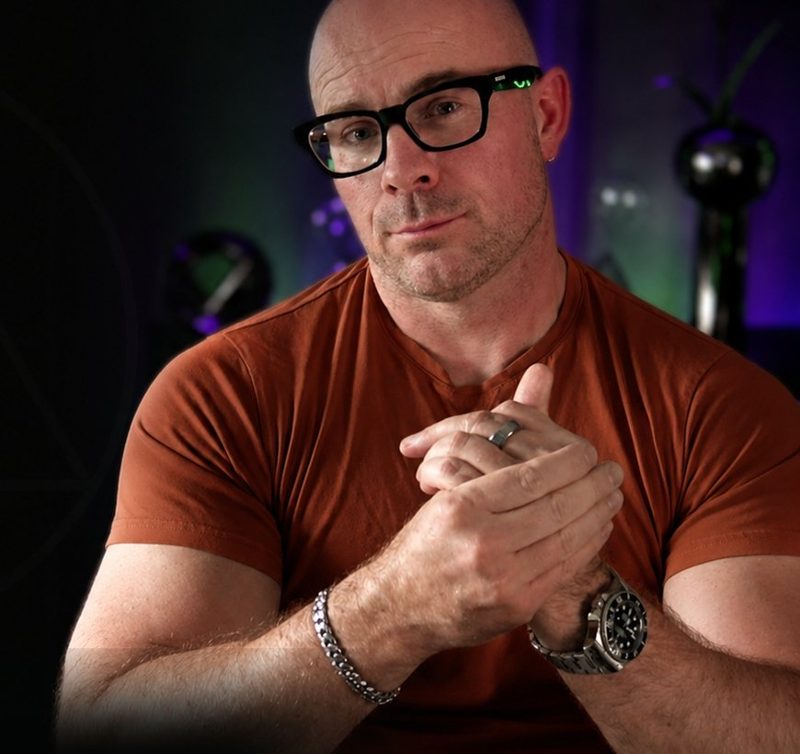
I am Adam Cox, a clinical hypnotherapist with more than 20 years of experience, and journalists and clients call me the Phobia Guru. I work one to one over Zoom with people whose fears are holding them back, including rarer ones like this. Every plan starts with understanding what your fear is really about.
Common questions
Why does looking up make some people dizzy?
Tilting the head back changes balance signals, and for some people this can trigger dizziness, especially with inner ear problems. Anxiety can then build around that feeling. If dizziness happens often, it is worth checking with a GP.
How can you help?
I use hypnotherapy and NLP to change how your mind responds to the thing you fear, so the old alarm stops going off. Sessions are one to one over Zoom, and you get a recording of the hypnosis to listen to afterwards.
How many sessions will I need?
Many clients notice a real difference after one 90 minute session. If the fear goes back a long way, three sessions gives us room to make the change stick.
Further reading: What is anablephobia, Klarity Health
Ready to start?
Book a £49 consultation call and we’ll talk through your fear, or take the free suitability test first.
See all session options and prices
Hypnosis downloads for this fear
Prefer to start on your own? This recorded session from my store is £9.99 and yours to keep.
