
Fear of turtles (chelonaphobia)
Chelonaphobia is a fear of turtles, and often tortoises and terrapins too. It might mean avoiding aquariums and pet shops, or feeling uneasy at their slow head movements and leathery skin. Some people fear being bitten, while others simply find the look of them unsettling.
About this phobia
The word comes from the Greek chelone, meaning tortoise, which also gives the scientific group name Chelonia. It is rare and has little clinical evidence behind it, appearing mostly on lists of unusual phobias. It belongs to the wider family of animal fears, alongside herpetophobia, the fear of reptiles.
How it shows up
Chelonaphobia can be hard for others to understand, as turtles and tortoises are usually seen as gentle and slow. For some people, though, the stretching neck, the beak-like mouth and the scaly skin feel deeply unsettling. Others focus on the idea of being bitten, or on the odd way the head vanishes into the shell. It goes beyond not finding them cute because it brings real fear and avoidance.
Common triggers
- A head stretching suddenly from a shell
- Scaly, wrinkled skin
- Snapping or biting
- Pet tortoises in friends’ homes
- Turtles in films, cartoons or documentaries
- Turtle-shaped toys or ornaments
- Shells, even empty ones
Where it shows up
- Aquariums and sea life centres
- Pet shops
- Zoos and reptile houses
- Beach holidays where turtles nest
- Classrooms and nurseries with pets
- Garden ponds where terrapins have been released
Symptoms
In your body
- Freezing or stepping back
- Racing heart
- Shivers
- Nausea
- Sweating
In your mind
- Fear of being bitten
- Feeling repulsed by the skin
- Unease at slow, deliberate movements
- Fear of a sudden movement towards you
What you might do
- Avoiding aquariums and pet shops
- Turning down visits to homes with tortoises
- Skipping documentaries or children’s shows
- Changing the subject when turtles come up
What may cause it
Animal fears often begin in childhood, sometimes after a startling encounter and sometimes simply from seeing a parent react with fear. Some people are especially sensitive to unusual movements or textures, and turtles have plenty of both. Chelonaphobia has almost no research of its own, so it is best understood within the wider family of animal phobias. Avoiding all contact keeps the fear fresh.
How it can affect your life
The fear is often easier to avoid than many others, but it can still spoil family days out, holidays and children’s activities. Some people feel embarrassed by it and hide it from others. Parents may feel torn when children want to visit aquariums or keep a pet tortoise of their own.
Related fears
- Fear of reptiles (herpetophobia)
- Fear of animals (zoophobia)
- Fear of snakes (ophidiophobia)
- Fear of frogs and toads (ranidaphobia)
Things that can help day to day
- Look at cartoon turtles first, then photos, then short videos
- Learn simple facts about how turtles live, which can make them feel less strange
- Watch a tortoise behind glass from a comfortable distance
- Avoid handling turtles or tortoises to test yourself, as some bite and some carry germs
When to get help
If the fear is spoiling holidays, family trips or your child’s activities, a therapist can help. It is also worth seeking help if it sits alongside wider fears of animals.
Explore more unusual fears in the rare phobias A to Z, or browse the common phobias.
About me
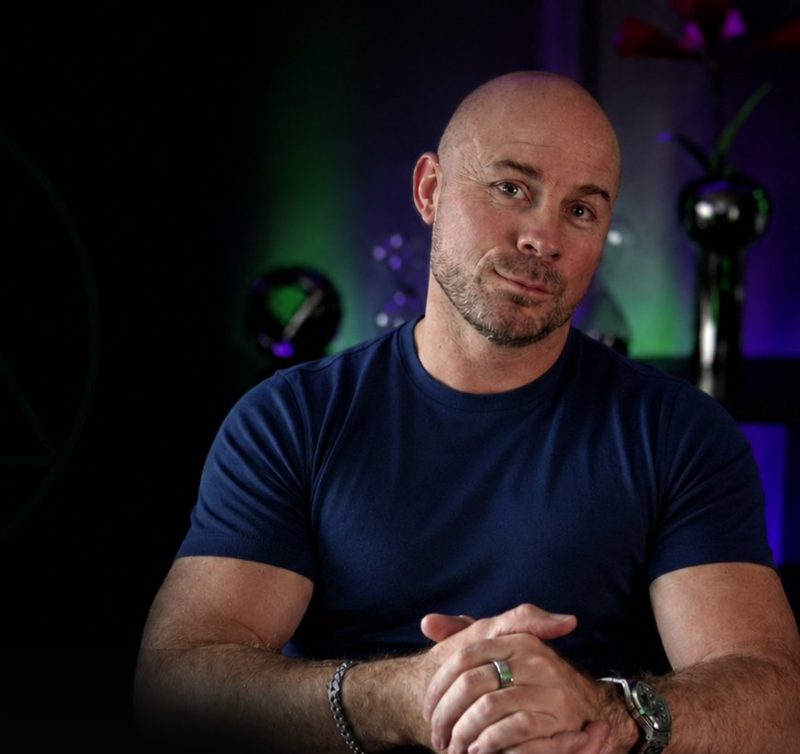
I am Adam Cox, a clinical hypnotherapist with more than 20 years of experience, and journalists and clients call me the Phobia Guru. I work one to one over Zoom with people whose fears are holding them back, including rarer ones like this. Every plan starts with understanding what your fear is really about.
Common questions
Do turtles and tortoises bite?
Some can, and snapping turtles in particular have strong jaws, but most pet tortoises and turtles are gentle when handled properly. Knowing the facts can take a little of the edge off the fear, though it rarely removes it on its own.
How can you help?
I use hypnotherapy and NLP to change how your mind responds to the thing you fear, so the old alarm stops going off. Sessions are one to one over Zoom, and you get a recording of the hypnosis to listen to afterwards.
How many sessions will I need?
Many clients notice a real difference after one 90 minute session. If the fear goes back a long way, three sessions gives us room to make the change stick.
Further reading: Cleveland Clinic: Zoophobia · Cleveland Clinic: Ophidiophobia · NHS: Phobias
Ready to start?
Book a £49 consultation call and we’ll talk through your fear, or take the free suitability test first.
See all session options and prices
Hypnosis downloads for this fear
Prefer to start on your own? This recorded session from my store is £9.99 and yours to keep.
