
Fear of collarbones (clavicophobia)
Clavicophobia is a fear of collarbones, your own or other people’s. It might show up as discomfort at bones that stand out under the skin, avoiding low necklines, or not wanting the area touched. Some people find the thought of the bone breaking or moving the hardest part.
About this phobia
The word comes from clavicle, the medical name for the collarbone, from the Latin clavicula, meaning little key. It is rarely reported and found mainly on lists of unusual phobias. It sits alongside other fears of bones and body parts, which often centre on how they look or the idea of injury.
How it shows up
Clavicophobia is one of the more unusual body part fears, but for those who have it, the sight of a prominent collarbone can bring a rush of unease. Some people are bothered by their own collarbones and avoid clothes that show them, while others are troubled by seeing them on others. The fear can also fix on the idea of the bone breaking, clicking or shifting under the skin. It differs from not liking a feature because it brings distress and avoidance.
Common triggers
- Collarbones that stand out under the skin
- Low necklines or vest tops
- Touch near the collarbone
- Images of broken bones or X-rays
- Clicking or popping in the shoulder
- Photos or adverts showing bony shoulders
- Wearing a seatbelt or bag strap across the chest
Where it shows up
- Changing rooms and swimming pools
- Summer outings and beaches
- Clothes shops and magazines
- Doctors’ surgeries
- Social media
- Massage and physiotherapy rooms
Symptoms
In your body
- Nausea
- Tingling or tension in the shoulders
- Racing heart
- Shivers
- Sweating
In your mind
- Disgust at the look of bones
- Fear of injury or breaking
- Self-consciousness about your own neck and shoulders
- Repeatedly picturing the bone moving
What you might do
- Wearing high necklines and scarves
- Avoiding touch near the neck
- Looking away from people in summer clothes
- Avoiding photos
What may cause it
Fears about bones often grow from an injury, such as a broken collarbone, or from seeing someone else hurt. Some people simply have a strong reaction to bones visible under the skin. Clavicophobia has almost no research, and it sits with other body part fears that tend to mix fear and disgust. Where it centres on your own appearance, it can overlap with wider worries about how your body looks.
How it can affect your life
Choosing clothes, swimming and summer outings can become awkward. Being touched near the neck may feel uncomfortable, which can affect close relationships. Some people also feel uneasy during health checks or massages that involve the neck and shoulders.
Related fears
- Fear of injury (traumatophobia)
- Fear of being touched (haphephobia)
- Worry about a flaw in your looks (body dysmorphic disorder)
Things that can help day to day
- Look at simple anatomy drawings of the collarbone for short spells
- Wear clothes that feel comfortable while confidence builds, without forcing yourself
- Learn how strong and well protected the collarbone really is
- Name the feeling when it comes, then let it pass without checking
When to get help
If you have pain, clicking or swelling around your collarbone or shoulder, see your GP. If worries about your appearance take up much of your day, your GP can help with that too.
Explore more unusual fears in the rare phobias A to Z, or browse the common phobias.
About me
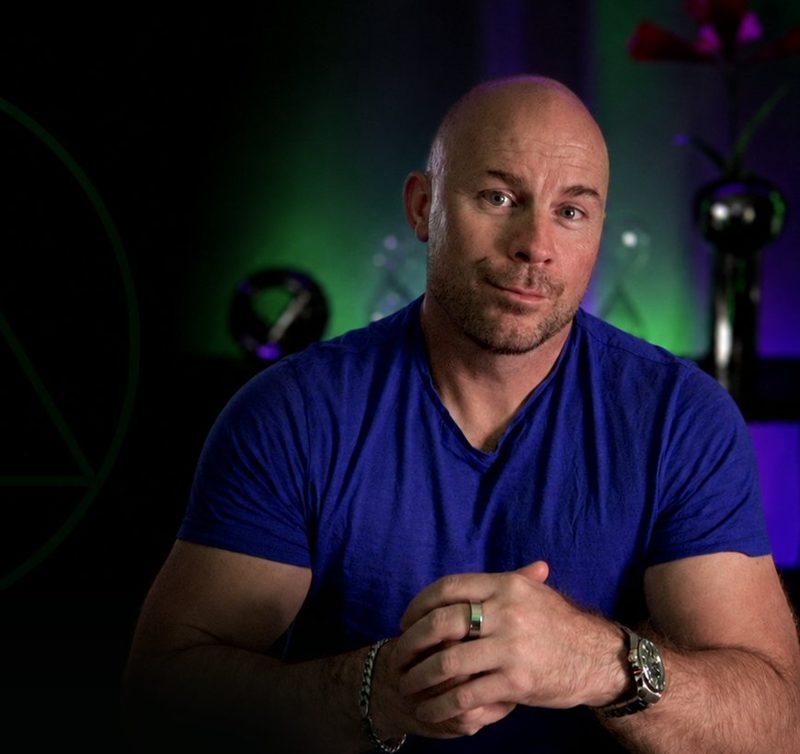
I am Adam Cox, a clinical hypnotherapist with more than 20 years of experience, and journalists and clients call me the Phobia Guru. I work one to one over Zoom with people whose fears are holding them back, including rarer ones like this. Every plan starts with understanding what your fear is really about.
Common questions
Is a fear of collarbones linked to body image?
It can be, especially if the fear is about how collarbones look on yourself or others. If worries about your body are taking up a lot of time, a GP is a good place to start. Any pain or lump near the collarbone is also worth getting checked by a GP.
How can you help?
I use hypnotherapy and NLP to change how your mind responds to the thing you fear, so the old alarm stops going off. Sessions are one to one over Zoom, and you get a recording of the hypnosis to listen to afterwards.
How many sessions will I need?
Many clients notice a real difference after one 90 minute session. If the fear goes back a long way, three sessions gives us room to make the change stick.
Further reading: NHS: Body dysmorphic disorder · Cleveland Clinic: Haphephobia · NHS: Phobias
Ready to start?
Book a £49 consultation call and we’ll talk through your fear, or take the free suitability test first.
See all session options and prices
Hypnosis downloads for this fear
Prefer to start on your own? This recorded session from my store is £9.99 and yours to keep.
