
Fear of crystals and glass (crystallophobia)
Crystallophobia describes a fear of crystals or glass. For one person it may centre on breaking glass and sharp edges, while for another it might be glass tables, shop windows or crystal ornaments that feel fragile and threatening.
About this phobia
The word draws on the Greek krystallos, which first meant ice and later came to mean crystal. It is rarely reported and found mostly on lists rather than in clinical writing. A fear of glass is sometimes listed separately as hyalophobia, and a fear of sharp objects, known as aichmophobia, can overlap with it.
How it shows up
For people with crystallophobia, glass and crystal are not just fragile things to handle with care. The fear can feel urgent and physical, with a jolt of panic at the clink of glasses or the sight of a crack in a window. Some focus on the risk of cuts, others on the sound of something shattering, and some feel uneasy simply being in a room full of glass. It is different from ordinary carefulness because it stays strong even when nothing is likely to break.
Common triggers
- The sound of breaking glass
- Cracked screens, windows or mirrors
- Glass tables, shelves and doors
- Crystal ornaments, chandeliers and decanters
- Drinking from a glass rather than a mug
- Shards or glitter catching the light
Where it shows up
- Restaurants, bars and parties
- Offices and shopping centres with glass walls
- Gift shops and homeware departments
- The kitchen sink when washing up
- Bottle banks and recycling bins
Symptoms
In your body
- Jumping at sudden clinking sounds
- Tense hands and arms
- Racing heart
- Sweating
- Churning stomach
In your mind
- Picturing glass shattering and cutting skin
- Constant alertness to anything breakable
- Fear of being blamed for a breakage
- Trouble thinking clearly in glass filled rooms
What you might do
- Using plastic or metal cups and plates
- Keeping clear of glass doors and tables
- Asking others to handle glass items
- Leaving shops or venues early
What may cause it
A cut from broken glass, a smashed window or walking into a glass door can be enough to start this fear, especially in childhood. Some people are more sensitive to sharp sounds and edges in general, which links it with a fear of sharp objects. Keeping away from glass brings quick relief, and that relief can teach the mind that glass must be dangerous. Crystallophobia has almost no clinical literature of its own, so it is best understood alongside better known specific phobias.
How it can affect your life
Glass is all around us, so the fear can make eating out, shopping and visiting friends stressful. Everyday jobs such as washing up, laying a table or cleaning a mirror can turn into a source of worry.
Related fears
- Fear of glass (hyalophobia)
- Fear of sharp objects (aichmophobia)
- Fear of injury (traumatophobia)
- Fear of loud noises (phonophobia)
Things that can help day to day
- Use sturdy or toughened glassware at home if it helps you feel settled
- Look at pictures of glass objects and notice your reactions without judging them
- Practise slow breathing before going into places with lots of glass
- Choose a seat away from glass partitions when eating out
When to get help
If the fear stops you eating out, working or doing household tasks, a GP or a phobia specialist can help. Any cut from glass that is deep or will not stop bleeding needs medical attention.
Explore more unusual fears in the rare phobias A to Z, or browse the common phobias.
About me
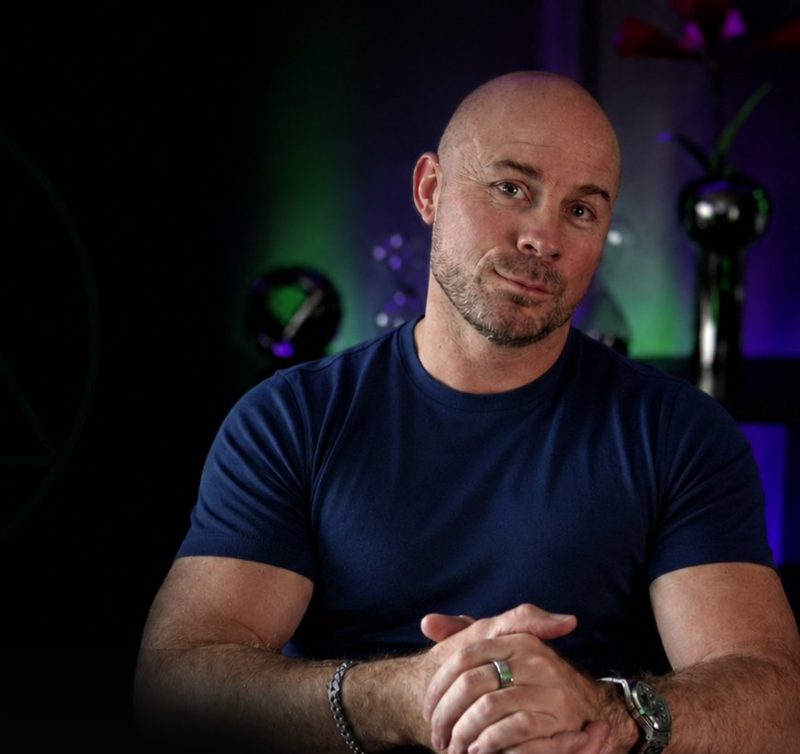
I am Adam Cox, a clinical hypnotherapist with more than 20 years of experience, and journalists and clients call me the Phobia Guru. I work one to one over Zoom with people whose fears are holding them back, including rarer ones like this. Every plan starts with understanding what your fear is really about.
Common questions
Is a fear of glass a real phobia?
Any fear that causes real distress and changes how someone lives deserves to be taken seriously, whatever it is called. Crystallophobia itself has little clinical documentation, but fears of breaking glass and sharp objects are well recognised. The name matters less than how much the fear gets in the way.
How can you help?
I use hypnotherapy and NLP to change how your mind responds to the thing you fear, so the old alarm stops going off. Sessions are one to one over Zoom, and you get a recording of the hypnosis to listen to afterwards.
How many sessions will I need?
Many clients notice a real difference after one 90 minute session. If the fear goes back a long way, three sessions gives us room to make the change stick.
Further reading: Cleveland Clinic: Phobias · NHS: Phobias · Mind: About phobias
Ready to start?
Book a £49 consultation call and we’ll talk through your fear, or take the free suitability test first.
See all session options and prices
Hypnosis downloads for this fear
Prefer to start on your own? This recorded session from my store is £9.99 and yours to keep.
