
Fear of bicycles (cyclophobia)
En español: lee sobre este miedo en Fobias.org.
A fear of bicycles can be about riding one, being near cyclists, or even the sight of a bike on the road. Cyclophobia might mean turning down family bike rides, feeling tense when cyclists pass close on a path, or never having learned to ride at all.
About this phobia
The name uses the Greek kyklos, meaning circle or wheel, as in the word cycle. It is a rarely reported term found mostly on lists. A fall in childhood, a road accident or worries about traffic are common threads, and it can overlap with a wider fear of accidents or of falling.
How it shows up
Cyclophobia is not simply a lack of interest in cycling. For some people panic starts the moment they sit on a saddle, while for others it is the rush of a cyclist passing close on a shared path. Adults who never learned to ride can also carry a sense of shame, which adds another layer to the fear. It differs from sensible road caution because it stays strong even in calm, traffic free settings.
Common triggers
- Getting on and balancing a bike
- Cyclists passing close without warning
- Bells, clicks and the sound of fast wheels
- Busy roads and junctions
- Being invited on a group ride
- News of cycling accidents
Where it shows up
- Shared paths along canals and through parks
- Family days out and holidays
- Cycle to work or school schemes
- Busy city streets
- Gym spin classes
Symptoms
In your body
- Wobbly legs and a tight grip
- Racing heart
- Sweating
- Dry mouth
- Feeling sick
In your mind
- Fear of falling and getting hurt
- Embarrassment about not being able to ride
- Expecting a crash at any moment
- Worry about being judged
What you might do
- Making excuses to skip bike rides
- Stepping off paths when cyclists approach
- Avoiding routes with cycle lanes
- Driving or walking even for short trips
What may cause it
A fall while learning, a crash or a near miss with traffic are common starting points, and the memory can stay vivid for years. Some people absorb fear from anxious parents or from hearing about accidents. Feeling unsafe around traffic is one of the most common reasons people give for not cycling, and in cyclophobia that ordinary worry becomes much stronger. There is no research on cyclophobia as such, so it is best seen as a specific phobia tied to fears of falling and accidents.
How it can affect your life
It can leave people out of family activities and holidays, and add stress to walking routes shared with bikes. Many keep the fear hidden out of embarrassment, which makes it harder to talk about or get help.
Related fears
- Fear of accidents (dystychiphobia)
- Fear of falling (basophobia)
- Fear of driving (amaxophobia)
- Fear of injury (traumatophobia)
Things that can help day to day
- Start on a quiet park path away from traffic, at your own pace
- Look into an adult cycle training course with a qualified instructor
- Use paths with clearly separate lanes for walkers and cyclists
- Talk about the fear with someone you trust, as shame often eases once it is said out loud
When to get help
If the fear began after a crash and you still have vivid memories, nightmares or strong panic, speak to your GP. A therapist who works with phobias can also help with fear of riding or being near bikes.
Explore more unusual fears in the rare phobias A to Z, or browse the common phobias.
About me
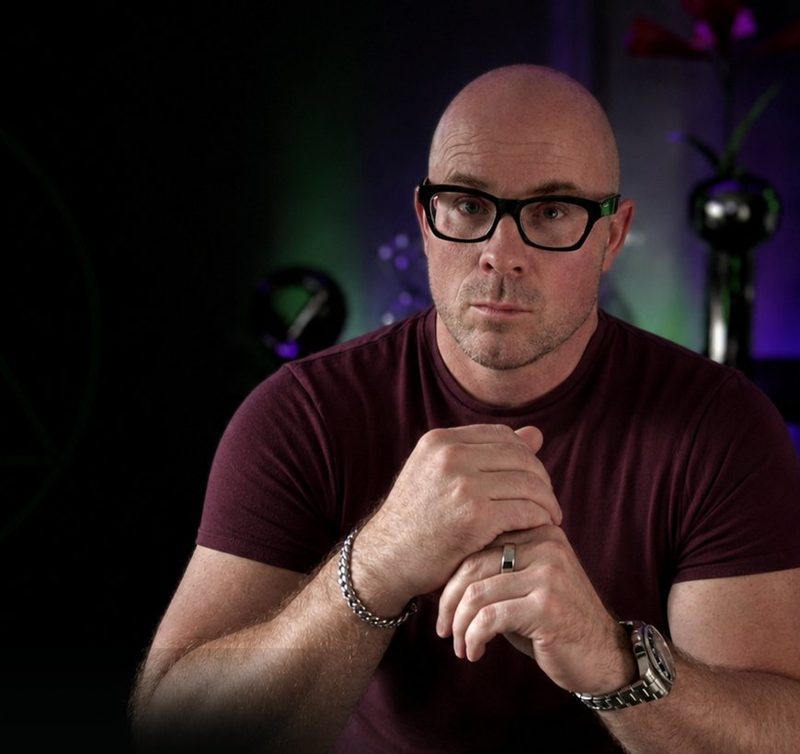
I am Adam Cox, a clinical hypnotherapist with more than 20 years of experience, and journalists and clients call me the Phobia Guru. I work one to one over Zoom with people whose fears are holding them back, including rarer ones like this. Every plan starts with understanding what your fear is really about.
Common questions
Can adults who never learned to ride feel this fear?
Yes. Some adults never learned as children and now feel anxious or embarrassed about trying, which can grow into avoidance. Others learned but stopped after a fall, and in both cases adult cycling lessons offer a gentle way to start again.
How can you help?
I use hypnotherapy and NLP to change how your mind responds to the thing you fear, so the old alarm stops going off. Sessions are one to one over Zoom, and you get a recording of the hypnosis to listen to afterwards.
How many sessions will I need?
Many clients notice a real difference after one 90 minute session. If the fear goes back a long way, three sessions gives us room to make the change stick.
Further reading: Why are people so afraid of bikes? (BikeRadar) · Understanding the fear of bicycle riding in Australia (Australasian College of Road Safety)
Ready to start?
Book a £49 consultation call and we’ll talk through your fear, or take the free suitability test first.
See all session options and prices
Hypnosis downloads for this fear
Prefer to start on your own? This recorded session from my store is £9.99 and yours to keep.
