
Fear of things on the right side (dextrophobia)
Dextrophobia is described as a fear of objects on the right side of the body. Someone might feel uneasy when things are placed to their right, prefer to keep people on their left, or choose seats so that nothing is on that side.
About this phobia
The name comes from the Latin dexter, meaning right. It is rarely reported and found almost only on lists, with an opposite term, levophobia, for the left side. Fears like this can link to a particular past event on one side, or to a need for things to feel balanced and in order.
How it shows up
Dextrophobia is little known, and people who have it may feel awkward explaining it. The unease centres on the right side, so a person might adjust where they sit, which side they walk on or how objects are laid out around them. For some it feels like a sense of threat from that side, while for others it is a nagging discomfort that only eases when things feel balanced. The pull to rearrange can be strong and hard to ignore.
Common triggers
- People standing or sitting to your right
- Objects on the right of a desk or table
- Walking on the right of a companion
- The passenger seat of a car
- Sounds coming from the right
Where it shows up
- Restaurants and meetings
- Cinemas, buses and trains
- Walking with friends
- Workplaces with fixed seating
- Shared beds and sofas
Symptoms
In your body
- Tension down one side of the body
- Racing heart
- Restlessness
- Turning the head often
In your mind
- A sense that something is wrong on the right
- Need for things to feel balanced
- Worry about others noticing
- Repeated thoughts about where things are placed
What you might do
- Choosing seats with nothing to the right
- Moving objects to the left
- Always walking on one side of others
- Avoiding places with fixed seating
What may cause it
Some people trace it to an accident, a fall or a shock that happened on their right side. For others it may be part of a wider need for order and symmetry, where certain arrangements feel wrong until they are put right. Avoiding and rearranging bring relief in the moment, but over time this can make the urge stronger. Dextrophobia has almost no clinical literature, so it is best approached in the same way as other specific fears.
How it can affect your life
It can make shared spaces awkward and leave a person always thinking about where to stand or sit. When rearranging becomes frequent it can take up a surprising amount of time and energy.
Related fears
- Fear of things on the left (levophobia)
- Fear of disorder or untidiness (ataxophobia)
- Fear of accidents (dystychiphobia)
Things that can help day to day
- When the urge to move things comes, see if you can wait a little longer each time
- Start small, such as leaving one item on your right for a few minutes
- Use slow breathing as the feeling rises
- Tell a trusted friend so you do not feel you have to hide it
When to get help
If arranging or avoiding takes up a lot of time each day, or comes with other repeated habits, talk to your GP. If you notice trouble seeing or noticing things on one side, ask your GP or optician to check it.
Explore more unusual fears in the rare phobias A to Z, or browse the common phobias.
About me
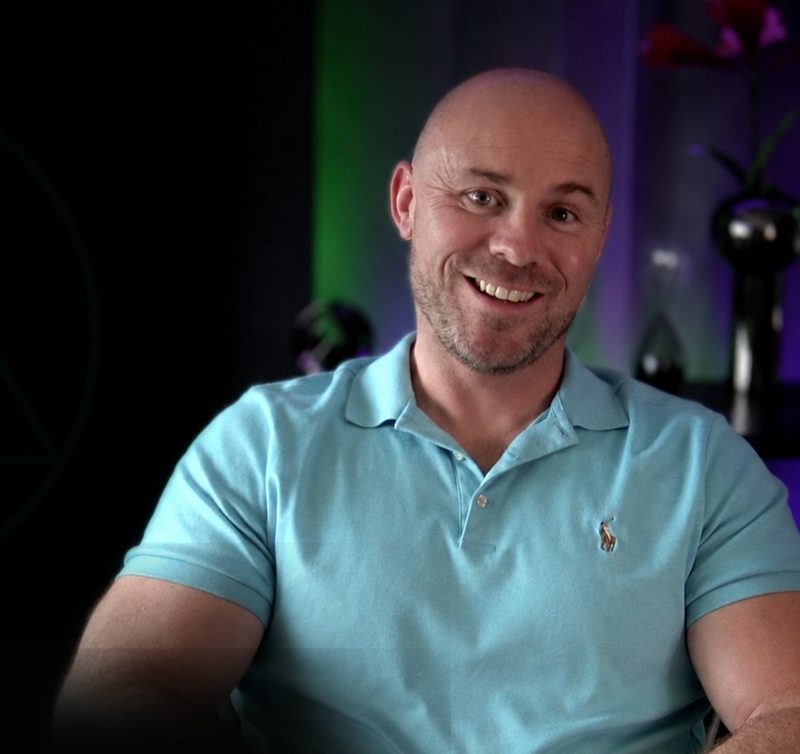
I am Adam Cox, a clinical hypnotherapist with more than 20 years of experience, and journalists and clients call me the Phobia Guru. I work one to one over Zoom with people whose fears are holding them back, including rarer ones like this. Every plan starts with understanding what your fear is really about.
Common questions
Why would a fear be about one side of the body?
Sometimes it traces back to a specific event, such as an accident or injury on that side. In other cases it is linked to a need for order or symmetry. Exploring where it started is often a useful first step.
How can you help?
I use hypnotherapy and NLP to change how your mind responds to the thing you fear, so the old alarm stops going off. Sessions are one to one over Zoom, and you get a recording of the hypnosis to listen to afterwards.
How many sessions will I need?
Many clients notice a real difference after one 90 minute session. If the fear goes back a long way, three sessions gives us room to make the change stick.
Further reading: Cleveland Clinic: Dystychiphobia · Cleveland Clinic: Ataxophobia · NHS: Phobias
Ready to start?
Book a £49 consultation call and we’ll talk through your fear, or take the free suitability test first.
See all session options and prices
Hypnosis downloads for this fear
Prefer to start on your own? This recorded session from my store is £9.99 and yours to keep.
