
Fear of giving opinions or being praised (doxophobia)
Doxophobia is a fear of expressing opinions or of receiving praise. Someone with this fear might stay quiet in meetings, agree just to avoid conflict, or feel deeply uncomfortable when complimented.
About this phobia
The name comes from the Greek doxa, which can mean opinion and also glory or praise, which may explain why it covers both. It is a rare term found mostly on lists. It overlaps with social anxiety, a fear of judgement and low self-worth.
How it shows up
People with doxophobia often keep their views to themselves, even when they have something useful or important to say. In meetings they may stay silent, and in social settings they may go along with others to avoid any disagreement, then feel frustrated afterwards. Praise can be just as hard, bringing embarrassment, suspicion or an urge to brush it off straight away. At its heart the fear is about being noticed and judged, whether the judgement is good or bad.
Common triggers
- Being asked for an opinion
- Debates and disagreements
- Compliments and praise
- Speaking up in meetings
- Comments on social media
- Feedback at work
- Awards or being singled out
Where it shows up
- Work and appraisals
- Classrooms and seminars
- Family gatherings
- Social events
- Online forums
- Birthdays and leaving dos
Symptoms
In your body
- Blushing
- Racing heart
- Dry mouth
- Shaky voice
- Hot or prickly skin
In your mind
- Fear of being judged
- Belief that your views do not matter
- Discomfort with attention
- Overthinking what to say
What you might do
- Staying silent
- Agreeing to avoid conflict
- Brushing off praise
- Avoiding situations where views are asked for
What may cause it
Criticism in childhood, being mocked for speaking up or growing up where opinions were not welcome can all feed this fear. Low self worth may make praise feel undeserved or even suspicious, as though a catch must follow. Staying quiet brings relief, but it also stops a person learning that their views can be heard safely. There is little research on doxophobia as a separate fear, but it shares a great deal with social anxiety, which is well understood.
How it can affect your life
It can hold people back at work and make relationships feel one sided. Not speaking up may lead to frustration and a sense of being unseen. Good work can go unnoticed when someone plays down every success.
Related fears
- Social anxiety
- Fear of criticism (enissophobia)
- Fear of public speaking (glossophobia)
- Fear of failure (atychiphobia)
Things that can help day to day
- Practise sharing small opinions with people you trust
- Answer praise with a simple thank you and nothing more
- Jot down your views before meetings so you have something ready
- Notice and question the thought that your views do not matter
When to get help
If fear of speaking up or receiving praise affects work or relationships, a GP or therapist can help, and social anxiety in particular responds well to support. If it links to past mistreatment, a GP or specialist counsellor can help you find the right help.
Explore more unusual fears in the rare phobias A to Z, or browse the common phobias.
About me
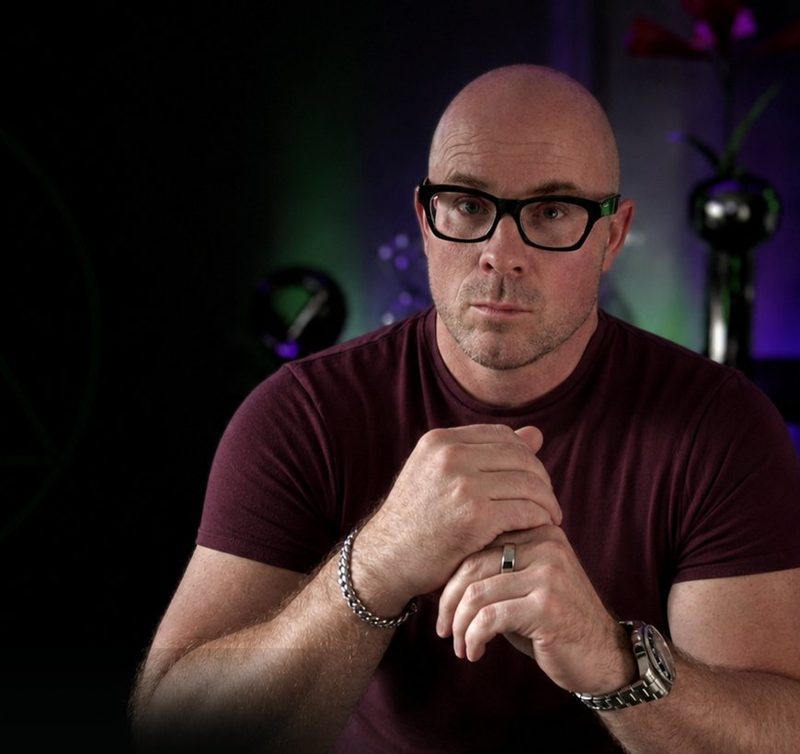
I am Adam Cox, a clinical hypnotherapist with more than 20 years of experience, and journalists and clients call me the Phobia Guru. I work one to one over Zoom with people whose fears are holding them back, including rarer ones like this. Every plan starts with understanding what your fear is really about.
Common questions
Why does praise feel so uncomfortable?
Praise puts attention on you, which can feel exposing. Some people also worry they will not live up to it next time. These reactions are common in social anxiety and low self-esteem.
How can you help?
I use hypnotherapy and NLP to change how your mind responds to the thing you fear, so the old alarm stops going off. Sessions are one to one over Zoom, and you get a recording of the hypnosis to listen to afterwards.
How many sessions will I need?
Many clients notice a real difference after one 90 minute session. If the fear goes back a long way, three sessions gives us room to make the change stick.
Further reading: NHS: Social anxiety · Cleveland Clinic: Atychiphobia · NHS: Phobias
Ready to start?
Book a £49 consultation call and we’ll talk through your fear, or take the free suitability test first.
See all session options and prices
Hypnosis downloads for this fear
Prefer to start on your own? This recorded session from my store is £9.99 and yours to keep.
