
Fear of environmental catastrophe (ecophobia)
En español: lee sobre este miedo en Fobias.org.
Ecophobia is a fear of catastrophic environmental change. News of floods, wildfires or rising seas can bring on dread, and some people find it hard to stop thinking about the planet’s future.
About this phobia
The word comes from the Greek oikos, meaning house or home, here in the sense of the natural world. It is narrower than eco-anxiety, which is a wider term for distress about the environment and is more often discussed today. Ecophobia also appears with other meanings on some lists and in academic writing.
How it shows up
Concern for the environment is natural, but ecophobia turns that concern into lasting dread. Reports of floods or wildfires can trigger panic, and some people find it very hard to stop thinking about what lies ahead for the planet. The fear may bring feelings of helplessness or guilt about everyday choices. It often spikes after major news events and can feel heavier at night, when there is little to distract from it.
Common triggers
- News of floods or wildfires
- Reports on climate change
- Extreme weather
- Images of melting ice
- Talk about the future
- Plastic waste and pollution
- Documentaries about nature loss
Where it shows up
- Watching or reading the news
- Social media feeds
- Classrooms and lectures
- Holidays to affected areas
- Heatwaves and storms at home
- Conversations about having children or long term plans
Symptoms
In your body
- Racing heart
- Trouble sleeping
- Tension headaches
- Restlessness
- Tight chest
In your mind
- Dread about the future
- Helplessness
- Guilt about everyday choices
- Finding it hard to switch off
What you might do
- Avoiding the news
- Constantly checking for updates
- Turning down travel
- Fixating on small choices
What may cause it
Repeated exposure to alarming news, a personal experience of flooding or extreme weather, or a general tendency to worry can all feed the fear. The sheer scale of the problem can make it feel beyond anyone’s control. Unlike many phobias, part of the worry relates to real problems, so the aim is to keep it in proportion rather than dismiss it. Ecophobia overlaps with eco-anxiety, which is now widely discussed.
How it can affect your life
It can affect sleep, mood and the ability to plan ahead. Some people feel weighed down by guilt over small daily choices, which makes ordinary life stressful. Disagreements with friends or family about the environment can also become tense.
Related fears
- Eco-anxiety
- Fear of thunder and lightning (astraphobia)
- Fear of floods (antlophobia)
- Fear of fire (pyrophobia)
Things that can help day to day
- Set limits on how much news you read each day, and avoid it before bed
- Take small practical actions that feel meaningful to you
- Join a local group that cares for green spaces
- Spend time in nature to feel connected rather than overwhelmed
When to get help
If worry about the environment is affecting your sleep, mood or daily life, speak to your GP. Support is available for anxiety that feels hard to manage, and talking it through can help you find a balance between caring and coping.
Explore more unusual fears in the rare phobias A to Z, or browse the common phobias.
About me
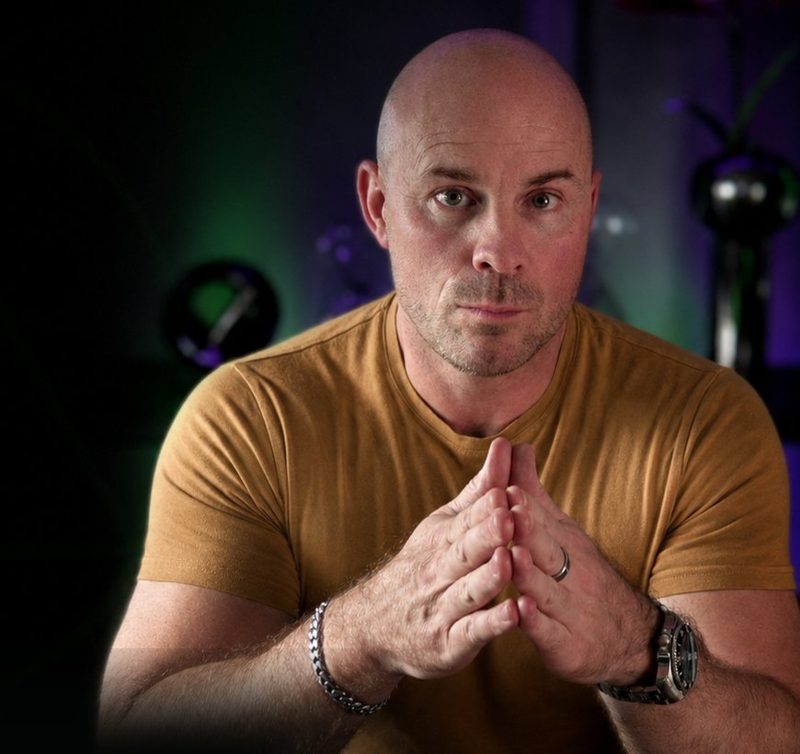
I am Adam Cox, a clinical hypnotherapist with more than 20 years of experience, and journalists and clients call me the Phobia Guru. I work one to one over Zoom with people whose fears are holding them back, including rarer ones like this. Every plan starts with understanding what your fear is really about.
Common questions
Is it normal to feel afraid about climate change?
Concern about the environment is a reasonable response to real problems, and many people share it. It becomes a problem when the fear stops you sleeping, enjoying life or doing things that matter to you. Taking small practical steps and limiting time spent on the news helps some people feel steadier.
How can you help?
I use hypnotherapy and NLP to change how your mind responds to the thing you fear, so the old alarm stops going off. Sessions are one to one over Zoom, and you get a recording of the hypnosis to listen to afterwards.
How many sessions will I need?
Many clients notice a real difference after one 90 minute session. If the fear goes back a long way, three sessions gives us room to make the change stick.
Further reading: PMC: Eco-anxiety, from psychology to psychopathology · PMC: Climate change and mental health, the rising tide of eco-distress · NHS: Phobias
Ready to start?
Book a £49 consultation call and we’ll talk through your fear, or take the free suitability test first.
See all session options and prices
Hypnosis downloads for this fear
Prefer to start on your own? This recorded session from my store is £9.99 and yours to keep.
