
Fear of being robbed (harpaxophobia)
En español: lee sobre este miedo en Fobias.org.
Harpaxophobia is a fear of being robbed. It can lead to checking locks many times, avoiding cash machines or certain streets, or feeling on edge in crowds. Some people struggle to relax at home or when travelling.
About this phobia
The word comes from the Greek harpax, meaning robber. It is an uncommon term found mostly on lists, with little clinical writing about it as a separate fear. The fear sometimes grows after a burglary or theft, or after one has happened to someone close.
How it shows up
Taking sensible care of your belongings is normal, but harpaxophobia keeps the alarm switched on. A stranger walking close behind, an unfamiliar car parked outside or a creak at night can bring a rush of fear that someone is about to take what is yours. People may plan routes around certain streets, carry almost nothing when out, or struggle to leave the house empty. The fear is stronger and lasts longer than the actual risk in most places would explain.
Common triggers
- People walking close behind you
- Using cash machines
- Noises at night
- News of burglaries or muggings nearby
- Leaving the house empty on holiday
- Crowds and busy stations
- Doorbells or knocks you are not expecting
Where it shows up
- Home at night
- Town centres and high streets
- Trains, buses and stations
- Car parks
- Hotels and holiday destinations
- Festivals and big events
Symptoms
In your body
- Jumpiness
- Racing heart
- Tense muscles
- Poor sleep
- Startling at small sounds
In your mind
- Constant scanning for danger
- Picturing break-ins
- Feeling unsafe at home
What you might do
- Checking locks and windows many times
- Gripping bags tightly or carrying no cash
- Staying in after dark
- Cancelling trips to avoid leaving home empty
What may cause it
There is very little research on harpaxophobia as a separate fear, though the after-effects of being burgled or robbed are widely reported. People who have been victims often describe feeling unsafe in their own homes for a long time afterwards. Hearing about crime nearby, or living through a near miss, can have a similar effect. Repeated checking and avoidance calm the nerves for a moment, but they keep the mind on alert.
How it can affect your life
This fear can make home feel less like a place to rest and more like a place to guard. It can limit travel, nights out and time in town centres. Constant checking can also wear on family members, who may feel the home has become tense.
Related fears
- Fear of burglars (scelerophobia)
- Fear of crowds (enochlophobia)
- Fear of the dark (nyctophobia)
- Post-traumatic stress after crime
Things that can help day to day
- Check locks once, then say out loud that it is done
- Take practical steps you trust, such as good lighting, then let the rest go
- Limit time spent reading local crime news
- Plan outings with a friend while confidence builds
When to get help
If you have been robbed or burgled and still feel unsafe weeks later, the charity Victim Support offers free help, and your GP can refer you for talking therapy. A GP can also help if the fear is affecting sleep or daily life.
Explore more unusual fears in the rare phobias A to Z, or browse the common phobias.
About me
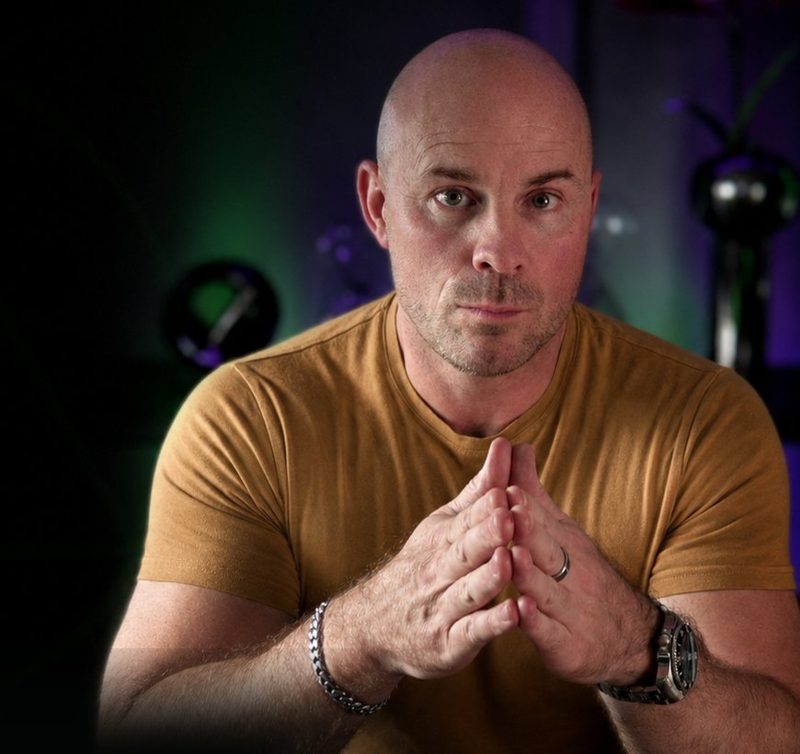
I am Adam Cox, a clinical hypnotherapist with more than 20 years of experience, and journalists and clients call me the Phobia Guru. I work one to one over Zoom with people whose fears are holding them back, including rarer ones like this. Every plan starts with understanding what your fear is really about.
Common questions
Is it a phobia or just being careful?
Sensible care, such as locking doors and keeping bags close, is normal. It becomes more like a phobia when the worry is constant, the checking takes up a lot of time, or it stops you going places. If the fear started after being robbed, a GP or specialist counsellor can help you talk through what happened.
How can you help?
I use hypnotherapy and NLP to change how your mind responds to the thing you fear, so the old alarm stops going off. Sessions are one to one over Zoom, and you get a recording of the hypnosis to listen to afterwards.
How many sessions will I need?
Many clients notice a real difference after one 90 minute session. If the fear goes back a long way, three sessions gives us room to make the change stick.
Further reading: Burglary victims left scarred and don’t hear back from police, Yorkshire Post
Ready to start?
Book a £49 consultation call and we’ll talk through your fear, or take the free suitability test first.
See all session options and prices
Hypnosis downloads for this fear
Prefer to start on your own? This recorded session from my store is £9.99 and yours to keep.
