
Fear of mushrooms (mycophobia)
Mycophobia is a fear of mushrooms, which can cover eating them, touching them or simply seeing them growing. For some it is a worry about poisoning, for others it is the texture, the smell or the way they spring up overnight. If this fear means eating much less or losing weight, speak to a GP.
About this phobia
The term comes from the Greek mykes, meaning fungus. It is uncommon as a clinical term, though the word is also used loosely for a general wariness of wild fungi. It overlaps with a fear of being poisoned and with a dislike of certain food textures.
How it shows up
Some people simply do not like mushrooms on their plate, and that is a matter of taste. Mycophobia is different because the sight, smell or thought of mushrooms brings on real anxiety. A person may check every dish for hidden mushrooms, feel queasy at a mushroom ring on the lawn, or worry that a single piece could poison them. The fear can cover wild fungi, shop-bought mushrooms or both.
Common triggers
- Mushrooms hidden in sauces or soups
- Wild fungi on lawns or in woods
- Mould on food or walls
- The earthy smell of mushrooms
- Stories about poisonous fungi
- Spongy or slippery textures
Where it shows up
- Restaurants and takeaways
- Supermarket vegetable aisles
- Woodland walks in autumn
- Gardens after rain
- Dinner at someone else’s home
Symptoms
In your body
- Nausea or gagging
- Racing heart
- Sweating
- Tight throat
In your mind
- Worry about being poisoned
- Disgust that lingers
- Constant doubt about what is in food
What you might do
- Questioning staff about every dish
- Picking through meals or refusing them
- Avoiding woods and parks in autumn
- Staying away from shared meals
What may cause it
There is little clinical research on fear of mushrooms. For many it seems linked to a sensible caution about wild fungi that has grown much larger than it needs to be, so that even shop-bought mushrooms feel risky. Others react mainly to texture or smell, which ties it to a broader dislike of certain foods, and a bad experience such as feeling ill after a meal can leave a strong link that is hard to undo. Avoiding mushrooms entirely gives the alarm no chance to settle, so the fear can quietly spread to mould, compost or anything earthy.
How it can affect your life
Eating out and shared meals can become stressful, as more time goes on checking dishes than on enjoying the company. Autumn walks in woods and parks may be avoided, since that is when fungi appear most. The fear can also lead to awkward moments at family dinners and friends’ homes.
Related fears
- Fear of being poisoned (toxiphobia)
- Fear of new foods (food neophobia)
- Fear of mould and decay
- Fear of certain food textures
Things that can help day to day
- Leave picking wild fungi to experts, which is wise for everyone
- Tell restaurants and hosts what you would rather avoid, so you can relax
- Look at pictures of shop-bought mushrooms and notice the feeling ease
- Separate the fear of poison from shop food, which is grown and checked for eating
When to get help
If this fear means you are eating much less or losing weight, speak to a GP. A GP can also help if the worry about poisoning spreads to other foods.
Explore more unusual fears in the rare phobias A to Z, or browse the common phobias.
About me
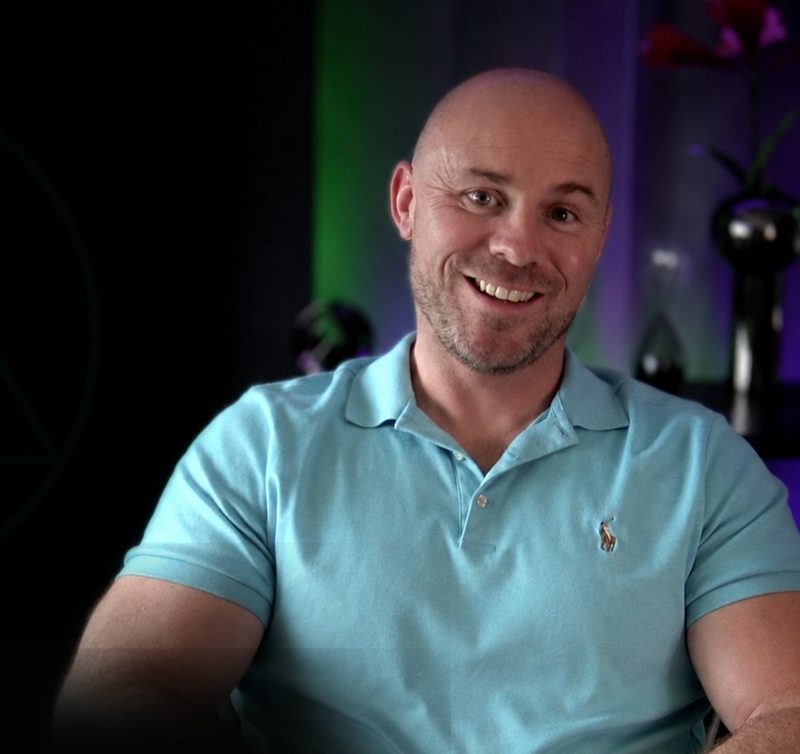
I am Adam Cox, a clinical hypnotherapist with more than 20 years of experience, and journalists and clients call me the Phobia Guru. I work one to one over Zoom with people whose fears are holding them back, including rarer ones like this. Every plan starts with understanding what your fear is really about.
Common questions
Is it sensible to be wary of wild mushrooms?
Yes, some caution is wise, since some wild mushrooms are poisonous and should only be picked by people who know them well. A phobia is different: it is when even shop-bought mushrooms, pictures or fungi in a field cause strong anxiety.
How can you help?
I use hypnotherapy and NLP to change how your mind responds to the thing you fear, so the old alarm stops going off. Sessions are one to one over Zoom, and you get a recording of the hypnosis to listen to afterwards.
How many sessions will I need?
Many clients notice a real difference after one 90 minute session. If the fear goes back a long way, three sessions gives us room to make the change stick.
Further reading: CIWEM: Fungi, friend or foe · NHS: Phobias
Ready to start?
Book a £49 consultation call and we’ll talk through your fear, or take the free suitability test first.
See all session options and prices
Hypnosis downloads for this fear
Prefer to start on your own? This recorded session from my store is £9.99 and yours to keep.
