
Fear of myths and falsehoods (mythophobia)
Mythophobia is a fear of myths, stories or false statements. In practice it may show up as anxiety about being lied to, about accidentally saying something untrue, or about being misled by stories that sound real. Some people find it hard to relax around rumours, gossip or tall tales.
About this phobia
The name comes from the Greek mythos, meaning story or word. It is rarely reported and appears mainly on lists of phobias, with meanings that vary from one list to another. It can sit close to a strong need for certainty or a deep worry about honesty.
How it shows up
Everyone dislikes being lied to, but mythophobia turns that dislike into constant alertness. A person might go over conversations looking for anything untrue, worry for hours that they gave someone wrong information, or feel unsettled by stories they cannot check. Myths, legends and urban tales that others enjoy may feel threatening rather than fun. At its heart is often a deep need to know what is real.
Common triggers
- Rumours and gossip
- Fake news and misleading headlines
- Being told a white lie
- Urban myths and tall tales
- Not being sure if something you said was true
- Stories that blur fact and fiction
Where it shows up
- Workplaces with office gossip
- Social media feeds
- School playgrounds and group chats
- Family stories at gatherings
- Online forums and comment threads
Symptoms
In your body
- Tension in the shoulders or jaw
- Restlessness
- Racing heart
- Trouble sleeping after a worrying conversation
In your mind
- Doubt about what people say
- Worry about having misled someone
- Need for certainty before relaxing
What you might do
- Fact-checking everything
- Correcting yourself or others often
- Avoiding fiction, legends or ghost stories
- Pulling back from people you are unsure of
What may cause it
Very little is known about this fear, and the word is defined differently from list to list. It may grow from being badly misled or betrayed in the past, which can leave someone always on guard. A strong moral sense or a need for certainty can also play a part. Checking and correcting may calm things briefly but often keep the worry going.
How it can affect your life
Constant doubt can strain friendships and working relationships, as others may feel they are not trusted. Fact-checking and going back over conversations can eat up time and energy that would otherwise go on rest. Enjoying films, novels and bedtime stories with children may feel difficult when anything made up seems unsafe.
Related fears
- Fear of uncertainty
- Fear of being deceived
- Fear of making mistakes (atelophobia)
- Fear of the unknown
Things that can help day to day
- Pick two or three trusted sources for news and give less time to the rest
- Remind yourself that small slips in conversation are normal and easy to put right later
- Read a book of folk tales purely for enjoyment, noticing that stories can be fun without being true
- Notice when checking stops helping, then set it aside and do something practical instead
When to get help
If worries about honesty or getting things wrong are taking over your thoughts, or you feel you must keep checking, speak to a GP about support.
Explore more unusual fears in the rare phobias A to Z, or browse the common phobias.
About me
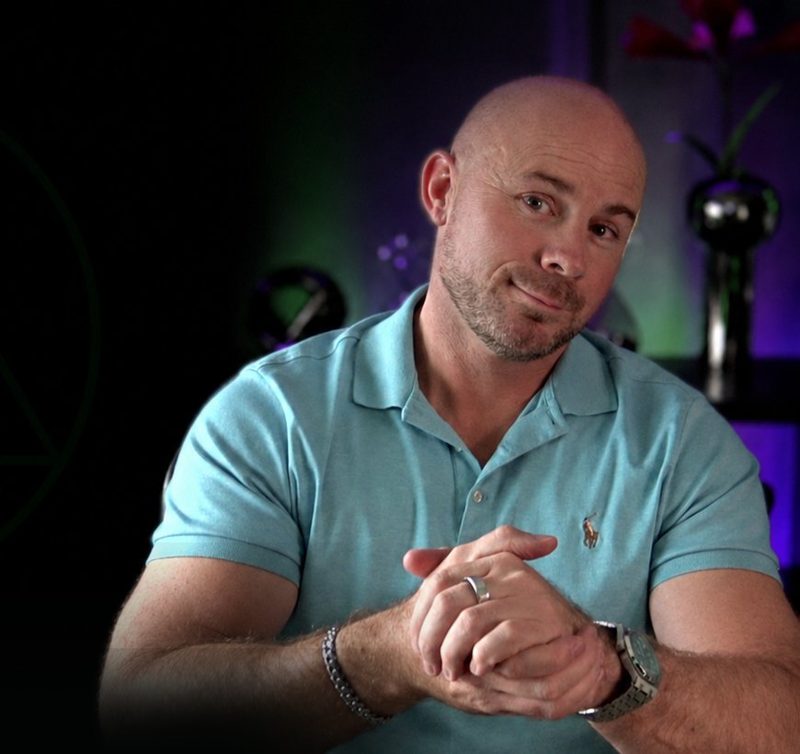
I am Adam Cox, a clinical hypnotherapist with more than 20 years of experience, and journalists and clients call me the Phobia Guru. I work one to one over Zoom with people whose fears are holding them back, including rarer ones like this. Every plan starts with understanding what your fear is really about.
Common questions
Is mythophobia a fear of lying?
It can be. Some people use the term for a fear of telling lies, even by accident, while others mean a fear of being told them. Both versions centre on a worry about what is true.
How can you help?
I use hypnotherapy and NLP to change how your mind responds to the thing you fear, so the old alarm stops going off. Sessions are one to one over Zoom, and you get a recording of the hypnosis to listen to afterwards.
How many sessions will I need?
Many clients notice a real difference after one 90 minute session. If the fear goes back a long way, three sessions gives us room to make the change stick.
Further reading: NHS: Generalised anxiety disorder · Cleveland Clinic: Atelophobia (fear of imperfection) · Mind: About phobias
Ready to start?
Book a £49 consultation call and we’ll talk through your fear, or take the free suitability test first.
See all session options and prices
Hypnosis downloads for this fear
Prefer to start on your own? This recorded session from my store is £9.99 and yours to keep.
