
Fear of neglecting duty (paralipophobia)
Someone with paralipophobia fears neglecting their duty or letting down the people who rely on them. They may check and recheck tasks, struggle to switch off from work, or feel intense guilt over small oversights. It can be especially tiring for parents, carers and anyone in a role with a lot of responsibility.
About this phobia
This term appears mainly on online lists of phobias and is not a recognised clinical diagnosis, with very little written about it as a separate fear. What it describes can overlap with perfectionism and an inflated sense of responsibility. Some of the checking and guilt also resembles patterns seen in obsessive compulsive disorder.
How it shows up
People who live with this fear often look very reliable from the outside. Inside, they may lie awake replaying whether they locked up, answered the email or gave an elderly parent the right tablets. Caring about doing a good job is healthy, but here the worry runs far ahead of any real risk and the relief from checking never lasts long. Many describe feeling as though they are always one small slip away from letting someone down badly.
Common triggers
- Being given new responsibility
- Leaving work with tasks unfinished
- Looking after children, parents or pets
- Deadlines and handovers
- Mistakes, even small ones
- Criticism from a manager or family member
- Being left in charge of something valuable
Where it shows up
- At work, especially at the end of the day
- At bedtime
- Before holidays or time off
- When leaving the house
- In caring or supervisory roles
- During handovers or shift changes
Symptoms
In your body
- Tension headaches
- Broken sleep
- A knotted stomach
- Feeling worn out
- Clenched jaw or grinding teeth
In your mind
- Constant what if thoughts
- Strong guilt over small lapses
- Trouble switching off
- Doubting your own memory
What you might do
- Checking and rechecking tasks
- Answering messages at all hours
- Struggling to hand work to others
- Seeking reassurance that all is well
What may cause it
As this is not a recognised diagnosis, there is no research on it as a single fear. What is known is that an inflated sense of responsibility, perfectionism and very high standards set early in life can all feed this kind of worry. Taking on caring duties young, or being blamed harshly for mistakes, may also play a part. Checking brings short-term relief, which teaches the mind to check again next time.
How it can affect your life
Time spent checking and worrying eats into rest, family life and sleep. Over time it can lead to burnout, and some people turn down roles they would enjoy because the responsibility feels too heavy. Colleagues and family may not see the effort going on behind the scenes, which can leave the person feeling alone with it.
Related fears
- Fear of making mistakes (atelophobia)
- Fear of failure (atychiphobia)
- Obsessive compulsive disorder (OCD)
- Perfectionism
Things that can help day to day
- Check once, say out loud what you have done, then walk away
- Keep a simple written list rather than relying on memory
- Set a clear finish time for work and stick to it
- Ask what you would say to a friend in the same position
When to get help
If checking or guilt is taking up a large part of each day, or you feel unable to stop, speak to your GP. Patterns like these often respond well to talking therapies.
Explore more unusual fears in the rare phobias A to Z, or browse the common phobias.
About me
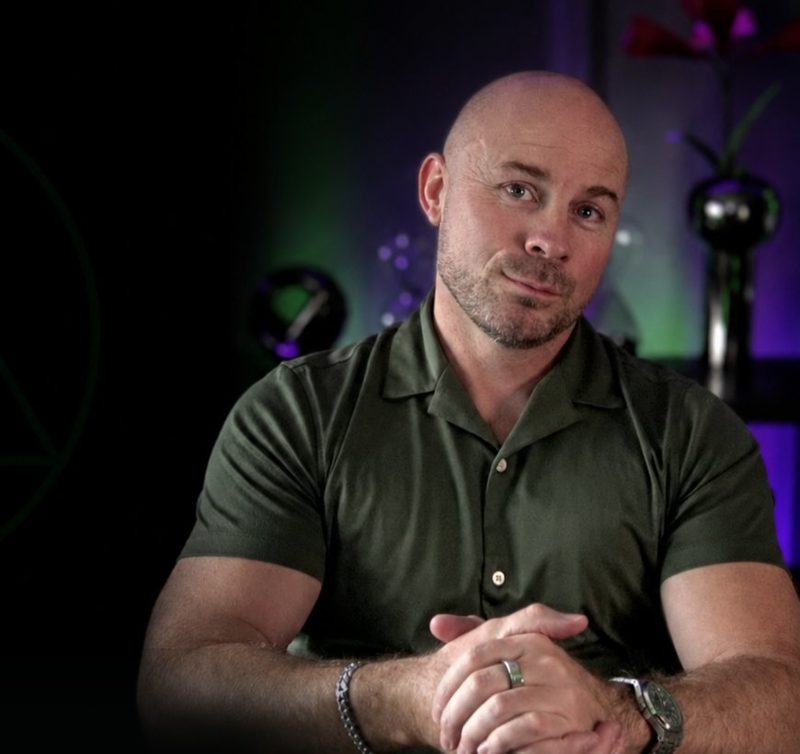
I am Adam Cox, a clinical hypnotherapist with more than 20 years of experience, and journalists and clients call me the Phobia Guru. I work one to one over Zoom with people whose fears are holding them back, including rarer ones like this. Every plan starts with understanding what your fear is really about.
Common questions
Is fear of neglecting duty linked to OCD?
It can be, but not always. Some people are simply very conscientious under pressure, while for others the checking and guilt become hard to stop and look more like OCD. If it is affecting sleep, work or relationships, a GP is a good place to start.
How can you help?
I use hypnotherapy and NLP to change how your mind responds to the thing you fear, so the old alarm stops going off. Sessions are one to one over Zoom, and you get a recording of the hypnosis to listen to afterwards.
How many sessions will I need?
Many clients notice a real difference after one 90 minute session. If the fear goes back a long way, three sessions gives us room to make the change stick.
Further reading: NHS: Obsessive compulsive disorder · Cleveland Clinic: Atelophobia (fear of imperfection) · Cleveland Clinic: Atychiphobia (fear of failure)
Ready to start?
Book a £49 consultation call and we’ll talk through your fear, or take the free suitability test first.
See all session options and prices
Hypnosis downloads for this fear
Prefer to start on your own? This recorded session from my store is £9.99 and yours to keep.
