
Fear of poverty (peniaphobia)
En español: lee sobre este miedo en Fobias.org.
Constant money worries, difficulty spending even on essentials, and working long hours out of fear of losing everything can all be signs of peniaphobia, a fear of poverty. Some people develop it after a period of real hardship. Others feel it strongly even when they are financially secure.
About this phobia
The name comes from the Greek penia, meaning poverty. It is not a formal clinical diagnosis but describes a fear many people recognise in some form. It is linked to financial anxiety more broadly, and is the opposite of plutophobia, the fear of wealth.
How it shows up
Peniaphobia can look like careful money management from the outside. Inside, the person may check their bank balance many times a day, feel panicky buying a coffee, or lie awake doing sums. Sensible saving brings a sense of security, but this fear tends to grow rather than ease as savings rise. Some people with very healthy finances, and money set aside for emergencies, still feel they are one step from losing everything.
Common triggers
- Bills, statements and bank alerts
- Rising prices in the news
- Talk of redundancies or job cuts
- Unexpected costs such as repairs
- Spending money on yourself
- Seeing others struggle financially
- Friends talking about holidays or big purchases
Where it shows up
- Checking a banking app
- The supermarket checkout
- The end of the month before payday
- Pay reviews at work
- Christmas and birthdays
- Opening post that looks like a bill
Symptoms
In your body
- Tight chest or stomach
- Poor sleep
- Headaches
- Restlessness
- Clenched jaw
In your mind
- Picturing losing everything
- Guilt when spending
- Feeling that no amount is ever enough
- Trouble enjoying things you have paid for
What you might do
- Checking accounts repeatedly
- Overworking and refusing time off
- Going without things you need
- Hoarding cash or belongings
What may cause it
Many people with this fear have lived through real hardship, either their own or a parent’s, and the memory stays switched on long after things improve. Others grew up hearing constant talk about money being short, and learned that danger was never far away. Uncertain times, such as insecure work or rising living costs, can feed the fear further. The more someone checks and saves to feel safe, the more the mind learns to treat money as a threat.
How it can affect your life
The fear can cause tension with partners and family over spending, and stop people enjoying the security they have worked hard for. Long hours and skipped breaks can also take a toll on health. Children in the home may pick up the worry and carry it into their own adult lives.
Related fears
- Fear of wealth (plutophobia)
- Fear of failure (atychiphobia)
- Financial anxiety
- Fear of losing your job
Things that can help day to day
- Set a simple budget so you know exactly what is safe to spend
- Check your balance at set times rather than throughout the day
- Plan one small guilt-free treat each week and notice how it feels
- Contact a free money advice service if there are real debts to sort out
When to get help
If money fears are causing panic, poor sleep or low mood, speak to your GP. Free, confidential debt and money advice services can help if there are real financial problems to sort out.
Explore more unusual fears in the rare phobias A to Z, or browse the common phobias.
About me
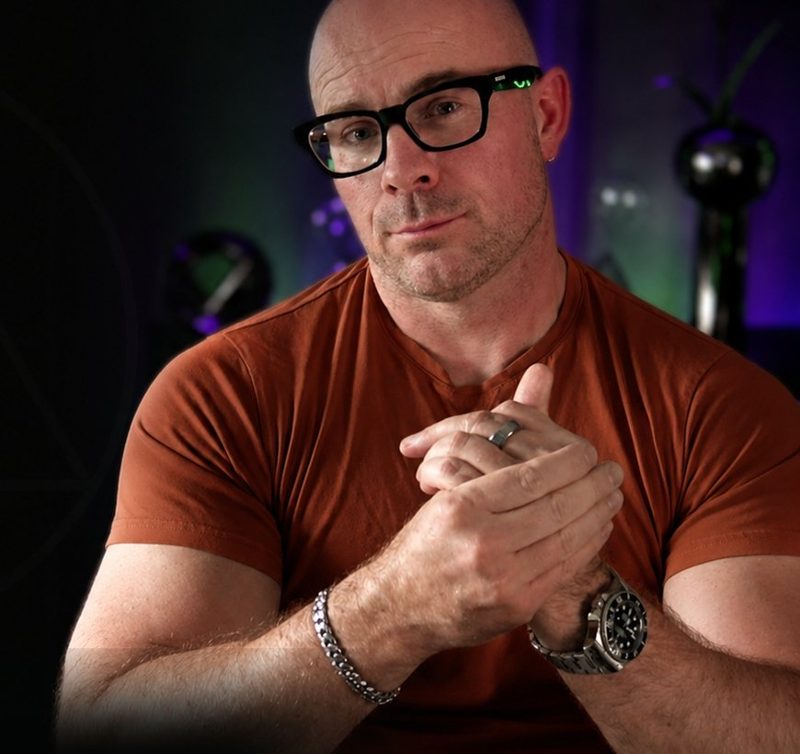
I am Adam Cox, a clinical hypnotherapist with more than 20 years of experience, and journalists and clients call me the Phobia Guru. I work one to one over Zoom with people whose fears are holding them back, including rarer ones like this. Every plan starts with understanding what your fear is really about.
Common questions
How is peniaphobia different from normal money worries?
Most people worry about money at times, especially when bills rise. Peniaphobia describes fear that is out of step with your real situation or that stays high even when finances are stable. If money troubles are real, free debt advice services can help, and if the fear itself is the issue, talking therapies may help.
How can you help?
I use hypnotherapy and NLP to change how your mind responds to the thing you fear, so the old alarm stops going off. Sessions are one to one over Zoom, and you get a recording of the hypnosis to listen to afterwards.
How many sessions will I need?
Many clients notice a real difference after one 90 minute session. If the fear goes back a long way, three sessions gives us room to make the change stick.
Further reading: Mind: Money and mental health · Cleveland Clinic: Atychiphobia (fear of failure) · NHS: Phobias
Ready to start?
Book a £49 consultation call and we’ll talk through your fear, or take the free suitability test first.
See all session options and prices
Hypnosis downloads for this fear
Prefer to start on your own? This recorded session from my store is £9.99 and yours to keep.
