
Fear of pigeons (peristerophobia)
En español: lee sobre este miedo en Fobias.org.
In towns and cities pigeons are hard to avoid, so peristerophobia, a fear of pigeons, can affect walks to work, eating outdoors or passing through busy squares and stations. Many people with this fear dread sudden flapping or a bird flying close to their face. The unpredictability of pigeons is often a big part of the problem.
About this phobia
The name comes from the Greek peristera, meaning pigeon. It is a type of animal phobia and sits under ornithophobia, the wider fear of birds. Concerns about dirt and disease from pigeons can add to the fear for some people.
How it shows up
For someone with peristerophobia, a square full of pigeons can feel like a minefield. They may plan routes to dodge certain stations, avoid eating sandwiches outdoors and freeze when a bird swoops low. Plenty of people find pigeons a nuisance, but a phobia brings a surge of panic and can dictate which streets, stations and cafes feel possible each day. The fear is often as much about the sudden noise and movement as about the bird itself.
Common triggers
- Sudden flapping wings
- A pigeon flying towards the face
- Flocks gathering on the ground
- Pigeons walking near your feet
- Loose feathers or droppings
- Cooing on window ledges
- Pigeons inside stations or shopping centres
Where it shows up
- Town squares and high streets
- Railway stations
- Outdoor cafes and benches
- Parks and seafronts
- Balconies and window sills
- Bus stops and shelters
Symptoms
In your body
- Flinching or a strong startle
- Racing heart
- Shaking
- Breathlessness
- Freezing on the spot
In your mind
- Fear of being touched or flown at
- Disgust about dirt and disease
- Constantly scanning for birds
- Feeling trapped when birds are indoors
What you might do
- Taking longer routes
- Only eating indoors
- Covering the face or ducking
- Keeping windows shut
What may cause it
Animal phobias like this often begin in childhood, sometimes after a bird flew too close or after seeing a parent react with fear. Pigeons move quickly and unpredictably, and that sudden flutter at head height is something the brain can easily read as a threat. Worries about dirt and disease can add disgust to the mix. Avoiding pigeons altogether means there is no chance to learn that they usually move away from people rather than towards them.
How it can affect your life
In a town or city, the fear can turn commutes, lunch breaks and simple walks into stressful events. Sitting in a beer garden, eating by the sea or visiting a famous square abroad can all feel off the table. Friends may not realise how much planning goes into avoiding the birds.
Related fears
- Fear of birds (ornithophobia)
- Fear of feathers (pteronophobia)
- Fear of germs (mysophobia)
- Fear of animals (zoophobia)
Things that can help day to day
- Watch short videos of pigeons at home, building up the time slowly
- Observe pigeons from behind a window before trying it outside
- Keep food covered when eating outdoors so birds are less drawn to you
- Stay still and breathe slowly, as pigeons usually move away on their own
When to get help
If the fear is shaping how you travel or limiting your time outdoors, a therapist who works with phobias can help. Animal phobias tend to respond well to treatment.
Explore more unusual fears in the rare phobias A to Z, or browse the common phobias.
About me
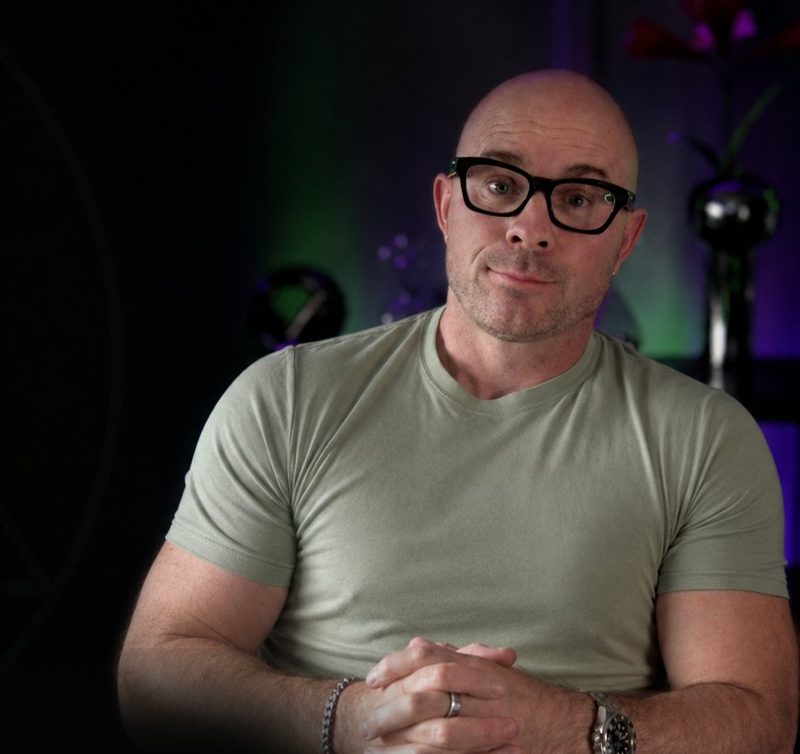
I am Adam Cox, a clinical hypnotherapist with more than 20 years of experience, and journalists and clients call me the Phobia Guru. I work one to one over Zoom with people whose fears are holding them back, including rarer ones like this. Every plan starts with understanding what your fear is really about.
Common questions
Is a fear of pigeons the same as a fear of birds?
Peristerophobia is a narrower version of ornithophobia, which covers birds in general. Some people only fear pigeons because they are so common and unpredictable in cities, while being fine with other birds. For others, the fear spreads to birds of all kinds.
How can you help?
I use hypnotherapy and NLP to change how your mind responds to the thing you fear, so the old alarm stops going off. Sessions are one to one over Zoom, and you get a recording of the hypnosis to listen to afterwards.
How many sessions will I need?
Many clients notice a real difference after one 90 minute session. If the fear goes back a long way, three sessions gives us room to make the change stick.
Further reading: Cleveland Clinic: Ornithophobia (fear of birds) · Healthline: Ornithophobia · NHS: Phobias
Ready to start?
Book a £49 consultation call and we’ll talk through your fear, or take the free suitability test first.
See all session options and prices
Hypnosis downloads for this fear
Prefer to start on your own? This recorded session from my store is £9.99 and yours to keep.
