
Fear of tuberculosis (phthisiophobia)
Phthisiophobia is a fear of tuberculosis, often called TB. A persistent cough, recent travel or a news story about TB can all bring it to the surface. If you have a cough that will not go away, night sweats or other real symptoms, check them with a GP.
About this phobia
The name comes from phthisis, an old Greek word for wasting that was long used for tuberculosis. The fear was more widely discussed when TB was a common cause of illness, and the term now survives mainly in lists and older writing. Today it fits within health anxiety focused on a particular illness.
How it shows up
Phthisiophobia today is usually sparked by something specific: a cough that lingers, a trip to a country where TB is more common, or a news story about rising cases. The person may listen closely to every breath or feel their chest tighten at a cough on the bus. Being careful about health is sensible, but this fear holds on even after tests come back clear. Some people also carry family stories from the days when TB was widespread.
Common triggers
- A cough that lasts
- Sweating at night
- News reports about TB
- Travel to places where TB is more common
- Hearing other people cough
- Hospital visits
- Old photos or stories of TB sanatoriums
Where it shows up
- Public transport
- Waiting rooms
- After travel abroad
- At night
- While reading health news
- Hospitals and care homes
Symptoms
In your body
- Tight chest
- Shallow breathing
- Sweating
- Tension
- A tickly throat or urge to clear it
In your mind
- Assuming a cough must be serious
- Fixing attention on breathing
- Finding clear results hard to believe
- Replaying contact with someone who coughed
What you might do
- Checking temperature often
- Moving away from people who cough
- Searching symptoms online
- Asking for repeated tests
What may cause it
Fear of TB was common when the illness was a major cause of death, and some of that dread lives on in family stories. Today the fear fits within health anxiety, where worry locks onto one disease. Focusing on the chest makes normal sensations, such as a tickle or a deep breath, feel threatening. Searching online can feed the fear rather than calm it, as the most frightening stories tend to stand out.
How it can affect your life
The fear can limit travel, busy commutes and time in crowded places such as concerts or shopping centres. Constant checking is tiring and may strain relationships with the people who are asked for reassurance. Some people avoid visiting relatives in hospital or care homes, which can bring guilt on top of the fear.
Related fears
- Health anxiety (hypochondria)
- Fear of illness (nosophobia)
- Fear of germs (mysophobia)
- Fear of contamination
Things that can help day to day
- Keep a note of symptoms to take to your GP instead of searching online
- Cut down time spent on health news
- Use slow breathing when your chest feels tight
- Write down what your GP said so you can go back to it
When to get help
Always see a GP about a cough that lasts more than three weeks, night sweats or other symptoms that worry you. If the fear continues after you have been checked, ask about support for health anxiety.
Explore more unusual fears in the rare phobias A to Z, or browse the common phobias.
About me
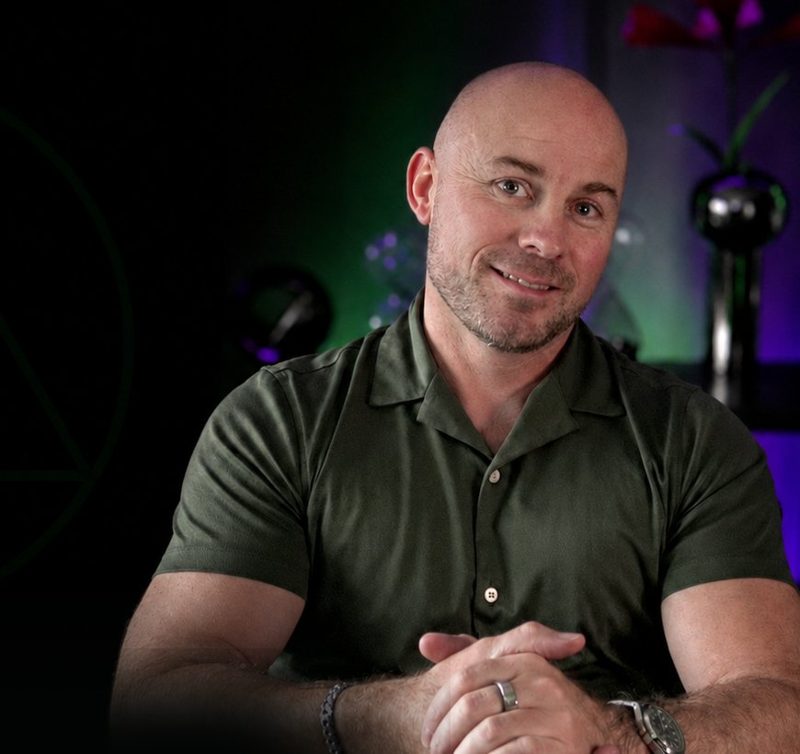
I am Adam Cox, a clinical hypnotherapist with more than 20 years of experience, and journalists and clients call me the Phobia Guru. I work one to one over Zoom with people whose fears are holding them back, including rarer ones like this. Every plan starts with understanding what your fear is really about.
Common questions
Is TB still something to worry about in the UK?
TB still occurs in the UK but is uncommon, and it is treated with medical care. Your GP can advise if you have symptoms or have been in close contact with someone who has it. If worry about TB carries on even after reassurance, support for health anxiety can help.
How can you help?
I use hypnotherapy and NLP to change how your mind responds to the thing you fear, so the old alarm stops going off. Sessions are one to one over Zoom, and you get a recording of the hypnosis to listen to afterwards.
How many sessions will I need?
Many clients notice a real difference after one 90 minute session. If the fear goes back a long way, three sessions gives us room to make the change stick.
Further reading: NHS: Tuberculosis · NHS: Health anxiety · NHS: Phobias
Ready to start?
Book a £49 consultation call and we’ll talk through your fear, or take the free suitability test first.
See all session options and prices
Hypnosis downloads for this fear
Prefer to start on your own? This recorded session from my store is £9.99 and yours to keep.
