
Fear of rivers and running water (potamophobia)
En español: lee sobre este miedo en Fobias.org.
Crossing a bridge, walking along a riverbank or hearing rushing water can feel threatening for someone with potamophobia, a fear of rivers and running water. Streams, weirs and waterfalls may bring the same unease. Often it is the speed and power of the water that feels most frightening.
About this phobia
The name comes from the Greek potamos, meaning river. It is an uncommon fear rather than a separate clinical diagnosis, and it falls under the wider group of water fears. Related terms include aquaphobia, the fear of water, and gephyrophobia, the fear of bridges.
How it shows up
Potamophobia can affect daily life more than people expect, because many towns are built on rivers. Someone may plan long routes to avoid bridges, refuse riverside walks or feel uneasy hearing water rushing through a drain. Respect for fast or deep water is sensible and keeps people safe, but a phobia brings fear even in safe settings. Often the speed, noise and power of moving water are the parts that feel most frightening.
Common triggers
- Crossing bridges
- The sound of rushing water
- Fast-flowing rivers
- Weirs and waterfalls
- Heavy rain and floods
- Stories of people swept away
- Footage of floods
Where it shows up
- Riverside paths
- Bridges
- Countryside walks
- Waterfalls and beauty spots
- News coverage of floods
- Canals and towpaths
Symptoms
In your body
- Racing heart
- Dizziness
- Shaking
- Breathlessness
- Weak or shaky legs
In your mind
- Fear of falling in
- Images of being swept away
- Feeling unsafe
- Expecting the worst near any moving water
What you might do
- Avoiding bridges
- Taking longer routes
- Turning down trips
- Gripping railings tightly
What may cause it
Water fears often start after a frightening experience, such as a slip near a river, a near miss or seeing someone in difficulty. They can also be learned from an anxious parent or picked up from news stories about floods and accidents. The natural respect people have for fast water is helpful, but in some people it becomes exaggerated and spreads to safe settings. Avoiding every river and bridge then keeps the fear going, as there is never a chance to feel calm near water in a safe place.
How it can affect your life
The fear can limit travel, walks and holidays, especially to places known for rivers or waterfalls. It may make commutes harder in towns with many bridges. Family days out to parks, canals or the countryside can become a source of worry rather than fun.
Related fears
- Fear of water (aquaphobia)
- Fear of bridges (gephyrophobia)
- Fear of drowning
- Fear of heights (acrophobia)
Things that can help day to day
- Watch videos of calm rivers at home, building up slowly
- Listen to recordings of running water while practising slow breathing
- Use bridges with solid sides, keep to the footpath and go with someone you trust
- Keep a sensible distance from fast or flooded water, as caution there is wise
When to get help
If the fear is limiting daily life, a therapist who works with phobias can help you build confidence step by step in safe settings. If it began after a frightening event near water, mention this, as it can shape the support offered.
Explore more unusual fears in the rare phobias A to Z, or browse the common phobias.
About me
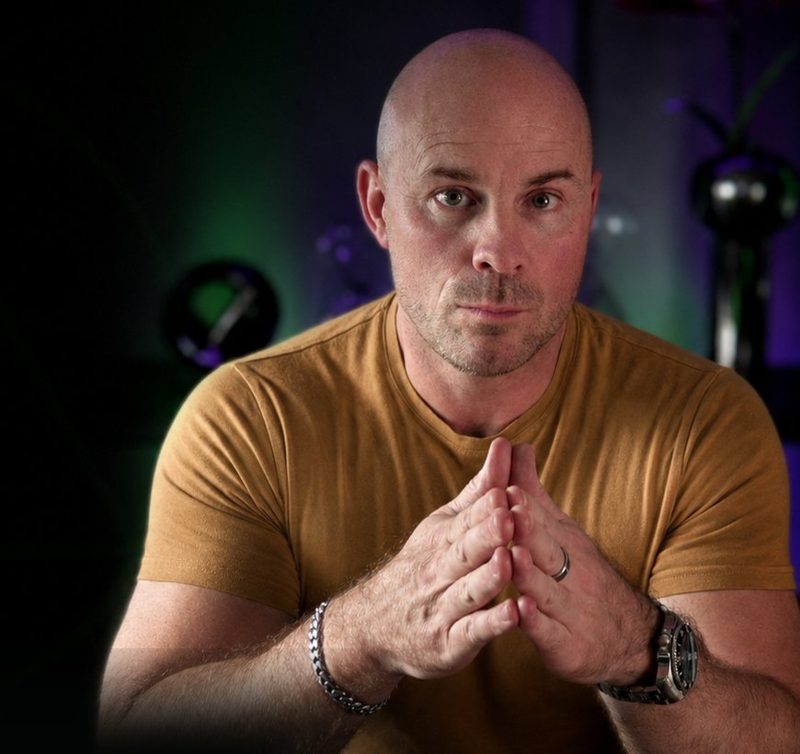
I am Adam Cox, a clinical hypnotherapist with more than 20 years of experience, and journalists and clients call me the Phobia Guru. I work one to one over Zoom with people whose fears are holding them back, including rarer ones like this. Every plan starts with understanding what your fear is really about.
Common questions
Is fear of rivers just a fear of drowning?
Often it is linked, but not always. Some people fear the speed and power of moving water, others the depth or what cannot be seen beneath the surface. A healthy respect for rivers is sensible, so the real question is whether the fear stops you doing things you want to do.
How can you help?
I use hypnotherapy and NLP to change how your mind responds to the thing you fear, so the old alarm stops going off. Sessions are one to one over Zoom, and you get a recording of the hypnosis to listen to afterwards.
How many sessions will I need?
Many clients notice a real difference after one 90 minute session. If the fear goes back a long way, three sessions gives us room to make the change stick.
Further reading: Cleveland Clinic: Aquaphobia (fear of water) · Medical News Today: Aquaphobia · NHS: Phobias
Ready to start?
Book a £49 consultation call and we’ll talk through your fear, or take the free suitability test first.
See all session options and prices
Hypnosis downloads for this fear
Prefer to start on your own? This recorded session from my store is £9.99 and yours to keep.
