
Fear of certain fabrics (textophobia)
En español: lee sobre este miedo en Fobias.org.
Textophobia is a fear or strong aversion to certain fabrics. It might mean being unable to touch velvet, wool or felt, cutting labels out of clothes, or feeling a shiver at the sound of fabric rubbing together.
About this phobia
The name shares a root with textile, from the Latin for woven, and it appears mainly on phobia lists. Strong reactions to textures are often discussed in connection with sensory sensitivity, which can be part of autism or sensory processing differences. Fear of particular fabrics may also involve disgust rather than fear alone.
How it shows up
Most people have a fabric they dislike, such as itchy wool or squeaky nylon. For someone with textophobia, touching or even seeing a certain material can trigger a strong wave of fear or revulsion, goosebumps or a need to get away. The reaction is often instant and hard to explain, which can be embarrassing in shops or at work. It goes beyond preference when it limits what a person can wear, where they can sit or what they can bear to touch.
Common triggers
- Velvet, velour or suede
- Cotton wool or felt
- Wool and fluffy knits
- Corduroy and ridged weaves
- The sound of fabric rubbing together
- Scratchy labels and seams
Where it shows up
- Clothes shops and changing rooms
- Upholstered furniture in other homes
- Theatres and cinemas with velvet seats
- School or work uniforms
- Craft and sewing activities
- Hotel bedding and soft furnishings
Symptoms
In your body
- Goosebumps or shivers
- A teeth on edge feeling
- Skin crawling
- Tense hands and shoulders
- Nausea from disgust
In your mind
- Revulsion that is hard to put into words
- Dread at the thought of touching the fabric
- Fear of others noticing the reaction
- Wanting to wash your hands straight after contact
What you might do
- Cutting out labels and avoiding certain clothes
- Using sleeves or gloves to avoid contact
- Avoiding certain chairs or rooms
- Checking fabrics before buying anything
What may cause it
There is little research on textophobia itself, but strong reactions to textures are well known in sensory processing differences, including for many autistic people. Disgust can be as powerful as fear in these reactions. A single unpleasant experience can also link a material with discomfort. Avoiding it means the brain never gets the chance to learn that the feeling can settle.
How it can affect your life
The fear can make shopping, dressing and visiting other homes tricky, and uniforms or dress codes may cause daily stress. Children can become very upset over clothes, which can lead to tension at home or school. Adults may quietly turn down invitations to homes or venues full of a fabric they cannot face.
Related fears
- Fear of clothing (vestiphobia)
- Fear of fur (doraphobia)
- Sensory sensitivity
- Fear of germs (mysophobia)
Things that can help day to day
- Build a wardrobe of fabrics that feel safe
- Wash new clothes before wearing them to soften them
- Let people close to you know which materials bother you
- If you want to, try brief contact with a milder version of the fabric
When to get help
If reactions to fabrics are causing daily distress, or affecting a child at school, speak to your GP, who can consider whether a sensory assessment would help. A therapist can support the anxiety side.
Explore more unusual fears in the rare phobias A to Z, or browse the common phobias.
About me
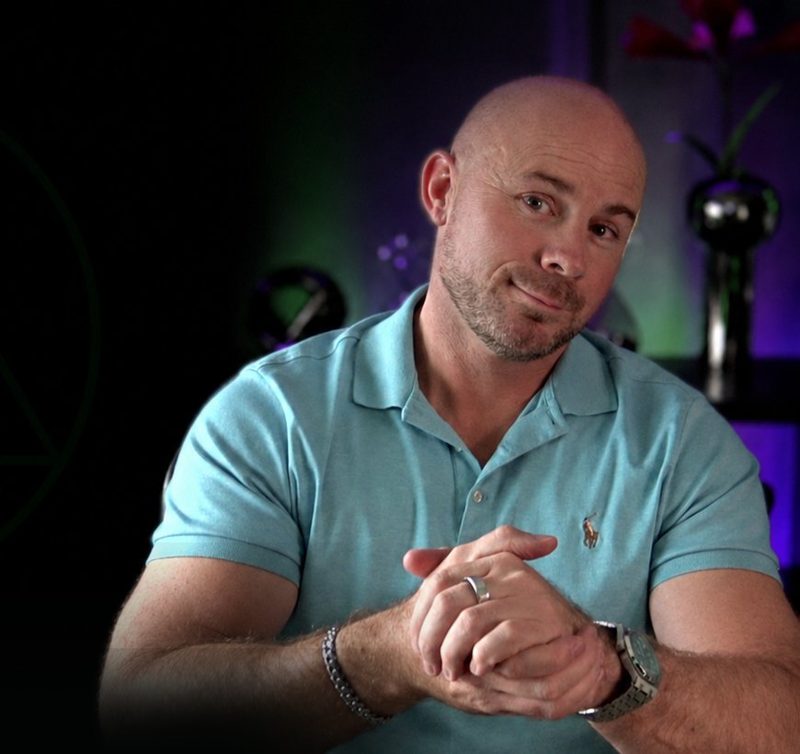
I am Adam Cox, a clinical hypnotherapist with more than 20 years of experience, and journalists and clients call me the Phobia Guru. I work one to one over Zoom with people whose fears are holding them back, including rarer ones like this. Every plan starts with understanding what your fear is really about.
Common questions
Is it a phobia if I cannot stand the feel of velvet or wool?
Plenty of people dislike certain textures, and that alone is not a phobia. It may be worth looking at more closely if the reaction is very strong, causes panic, or limits what you can wear or where you can go. If it comes with wider sensory difficulties, a GP can talk through whether an assessment would help.
How can you help?
I use hypnotherapy and NLP to change how your mind responds to the thing you fear, so the old alarm stops going off. Sessions are one to one over Zoom, and you get a recording of the hypnosis to listen to afterwards.
How many sessions will I need?
Many clients notice a real difference after one 90 minute session. If the fear goes back a long way, three sessions gives us room to make the change stick.
Further reading: Cleveland Clinic: Misophonia · NHS: Phobias
Ready to start?
Book a £49 consultation call and we’ll talk through your fear, or take the free suitability test first.
See all session options and prices
Hypnosis downloads for this fear
Prefer to start on your own? This recorded session from my store is £9.99 and yours to keep.
