
Fear of trembling (tremophobia)
En español: lee sobre este miedo en Fobias.org.
Tremophobia is a fear of trembling, often a worry that others will see your hands or voice shake. It can make people avoid holding drinks in public, signing documents in front of others, or speaking at meetings. Any new or ongoing tremor is worth checking with a GP.
About this phobia
The name draws on the Latin tremere, meaning to tremble. It is rarely reported as a separate phobia, but the worry is common in social anxiety, where fear of visible shaking can itself make shaking more likely. It can also appear in people who have a tremor for medical reasons and fear it getting worse.
How it shows up
Most people notice their hands shake a little when nervous, cold or tired, and it rarely bothers them. With tremophobia the possibility of shaking becomes a central worry, and people grow hyper-aware of their hands, voice or legs in front of others. The fear can create a loop, since anxiety makes trembling more likely and visible trembling feeds more anxiety. It moves beyond mild self-consciousness when it leads to skipping meals out, avoiding writing in public or turning down chances to speak.
Common triggers
- Holding a cup or glass in company
- Signing a form while someone watches
- Using a card machine in a queue
- Public speaking
- Eating with cutlery in restaurants
- Too much caffeine or poor sleep
Where it shows up
- Cafes, pubs and restaurants
- Banks and shop counters
- Meetings and presentations
- Weddings and formal dinners
- Classrooms
- Job interviews
Symptoms
In your body
- Shaky hands or voice
- Hot flushes and blushing
- Tight arms and shoulders
- Racing heart
- Weak or wobbly legs
In your mind
- Certainty that others will notice
- Fear of being judged as nervous or unwell
- Constant body monitoring
- Replaying moments of shaking
What you might do
- Avoiding hot drinks in public
- Gripping objects tightly or using two hands
- Declining speaking roles
- Hiding hands in pockets or under the table
What may cause it
Tremophobia is rarely studied as its own fear, but fear of trembling is a recognised part of social anxiety. A memorable moment of shaking in front of others can be enough to start it. Some people also have a physical tremor and worry it will be noticed or get worse, which adds understandable anxiety. Hiding or avoiding brings short-term relief but keeps the fear strong.
How it can affect your life
The fear can make everyday tasks such as paying, eating out or writing feel exposing, and it can hold people back at work. Social life may shrink as a person avoids any situation where they might shake. Over time some people start to doubt themselves in ways that go well beyond the shaking itself.
Related fears
- Social anxiety
- Fear of blushing (erythrophobia)
- Fear of public speaking (glossophobia)
- Fear of being stared at (scopophobia)
Things that can help day to day
- Go easy on caffeine before social events
- Let your hands rest rather than gripping tightly
- Remember most people do not notice small tremors
- Practise holding a drink in calm settings first
When to get help
Any new, ongoing or worsening tremor should be checked by a GP. If the fear of shaking is stopping you from social or work activities, a GP or therapist can help with the anxiety.
Explore more unusual fears in the rare phobias A to Z, or browse the common phobias.
About me
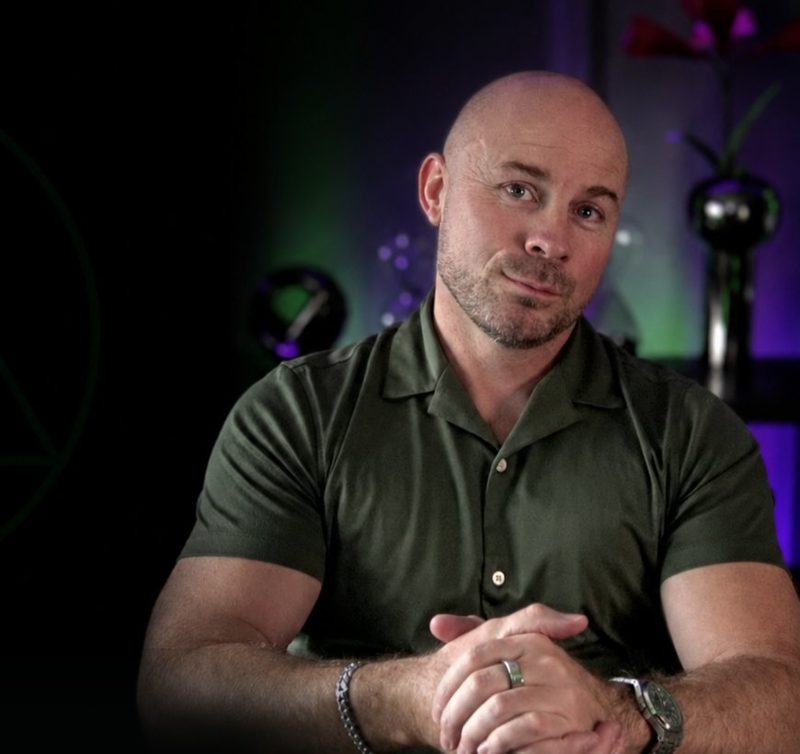
I am Adam Cox, a clinical hypnotherapist with more than 20 years of experience, and journalists and clients call me the Phobia Guru. I work one to one over Zoom with people whose fears are holding them back, including rarer ones like this. Every plan starts with understanding what your fear is really about.
Common questions
Can fear of shaking make me shake more?
Yes, anxiety releases adrenaline, which can cause trembling, so worrying about shaking can set off the very thing you fear. That said, a tremor can also have physical causes, so it is sensible to have any persistent shaking checked by a GP.
How can you help?
I use hypnotherapy and NLP to change how your mind responds to the thing you fear, so the old alarm stops going off. Sessions are one to one over Zoom, and you get a recording of the hypnosis to listen to afterwards.
How many sessions will I need?
Many clients notice a real difference after one 90 minute session. If the fear goes back a long way, three sessions gives us room to make the change stick.
Further reading: NHS: Social anxiety · NHS: Phobias
Ready to start?
Book a £49 consultation call and we’ll talk through your fear, or take the free suitability test first.
See all session options and prices
Hypnosis downloads for this fear
Prefer to start on your own? This recorded session from my store is £9.99 and yours to keep.
