
Fear of clothing (vestiphobia)
En español: lee sobre este miedo en Fobias.org.
Vestiphobia is a fear of clothing, which may focus on certain garments, tight fits or the feel of fabric on the skin. People with this fear might wear the same few items for comfort, struggle with uniforms or formal wear, or feel trapped in clothes they cannot quickly take off.
About this phobia
The name comes from the Latin vestis, meaning clothing, the root of words such as vest and vestment. It is a rarely reported term mostly seen on phobia lists. It overlaps with textophobia, a fear of certain fabrics, and with sensory sensitivity or the feeling of being restricted that is common in claustrophobia.
How it shows up
Many people have clothes they find uncomfortable or prefer to avoid. With vestiphobia the reaction is much stronger, and putting on certain garments can bring panic, a sense of being trapped or a need to pull them off straight away. Some react mainly to tight collars or waistbands, while others struggle with fabric touching the skin at all. It differs from preference because getting dressed, work and social events can become a daily source of stress.
Common triggers
- Tight collars, ties or waistbands
- Scratchy fabrics and labels
- Uniforms and formal wear
- Polo necks and fitted sleeves
- Wetsuits or many layers
- Clothes that are hard to take off
- Scarves or anything close round the neck
Where it shows up
- Getting ready in the morning
- Workplaces with dress codes
- Weddings and formal events
- School
- Changing rooms
- Shopping for clothes
Symptoms
In your body
- Feeling hot or trapped
- Tight chest or throat
- Itching or skin crawling
- Racing heart
In your mind
- Fear of not being able to take clothes off
- Discomfort that is hard to describe
- Embarrassment about the reaction
- Dread of occasions that need smart clothes
What you might do
- Wearing the same few items
- Avoiding formal events
- Cutting out labels
- Choosing loose fits only
What may cause it
There is little research on vestiphobia itself, but strong reactions to clothing are common in sensory processing differences and in autism. The feeling of being trapped in clothes can also connect with claustrophobia, especially with tight or hard to remove garments. A bad experience, such as a garment linked with a panic attack, can make the fear stick. Avoiding certain items then keeps the fear in place and can make new clothes feel risky.
How it can affect your life
Dress codes, school uniforms and formal occasions can become sources of dread, and children may struggle every morning to get dressed. The fear can also narrow job choices or social plans. Parents may find buying clothes for an affected child slow and stressful.
Related fears
- Fear of certain fabrics (textophobia)
- Fear of enclosed spaces (claustrophobia)
- Sensory sensitivity
- Fear of being restricted
Things that can help day to day
- Choose soft, loose clothes that feel safe
- Wash new clothes before wearing them
- Talk to school or work about reasonable changes
- Try new items for short spells at home first
When to get help
If clothing is causing daily distress, or a child struggles to dress for school, speak to your GP, who can consider a sensory assessment. A therapist can help with the anxiety.
Explore more unusual fears in the rare phobias A to Z, or browse the common phobias.
About me
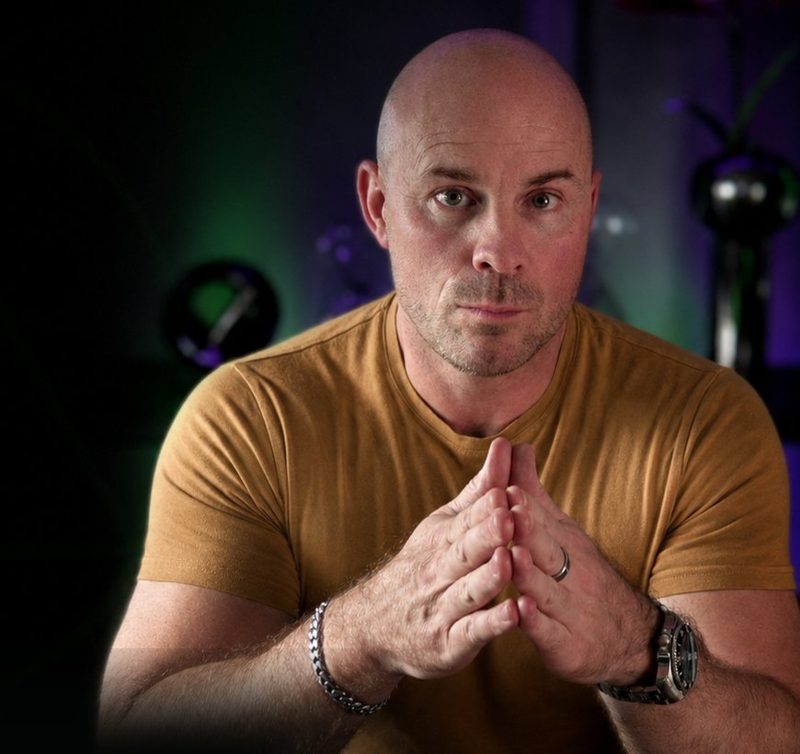
I am Adam Cox, a clinical hypnotherapist with more than 20 years of experience, and journalists and clients call me the Phobia Guru. I work one to one over Zoom with people whose fears are holding them back, including rarer ones like this. Every plan starts with understanding what your fear is really about.
Common questions
Why do some clothes make me panic?
Tight or heavy clothes can create a sense of being restricted, which can trigger panic in people prone to it. For others the issue is sensory, such as seams, labels or textures. Noticing which garments cause the reaction can help separate the two.
How can you help?
I use hypnotherapy and NLP to change how your mind responds to the thing you fear, so the old alarm stops going off. Sessions are one to one over Zoom, and you get a recording of the hypnosis to listen to afterwards.
How many sessions will I need?
Many clients notice a real difference after one 90 minute session. If the fear goes back a long way, three sessions gives us room to make the change stick.
Further reading: Healthline: Sensory issues with clothing · NHS: Phobias
Ready to start?
Book a £49 consultation call and we’ll talk through your fear, or take the free suitability test first.
See all session options and prices
Hypnosis downloads for this fear
Prefer to start on your own? This recorded session from my store is £9.99 and yours to keep.
