
Fear of foreign languages (xenoglossophobia)
En español: lee sobre este miedo en Fobias.org.
Xenoglossophobia is a fear of foreign languages, usually felt when learning, speaking or listening to a language that is not your own. It can mean freezing when asked to speak in class, avoiding holidays abroad, or feeling panicky when people around you switch language.
About this phobia
The name joins the Greek xenos, meaning foreign or stranger, and glossa, meaning tongue or language. Unlike many terms on phobia lists, the experience behind it has been studied in language teaching, where it is known as foreign language anxiety. It often overlaps with fear of making mistakes and fear of being judged.
How it shows up
Feeling nervous when speaking a new language is common. For people with xenoglossophobia those nerves become fear, with a racing heart or a blank mind when asked to speak, read aloud or listen. It can affect students in language classes, travellers trying to order a meal and people who have moved to a new country and need the local language every day. It differs from simple lack of confidence because it can stop learning altogether or lead to avoiding any situation where another language is used.
Common triggers
- Being asked to speak in class
- Phone calls in another language
- Ordering food abroad
- Oral exams
- People switching language nearby
- Fast native speakers
- Video calls with international colleagues
Where it shows up
- Language classrooms
- Holidays abroad
- Workplaces with international teams
- Shops and services in a new country
- Online language apps
- Airports and border controls
Symptoms
In your body
- Dry mouth
- Racing heart
- Blushing
- Sweating
- Mind going blank
In your mind
- Fear of making mistakes
- Fear of being laughed at
- Feeling stupid or exposed
- Comparing yourself with others
What you might do
- Avoiding speaking
- Skipping classes
- Pretending to understand
- Relying on translation apps to avoid talking
What may cause it
Foreign language anxiety has been studied in education, and it is linked to fear of mistakes, fear of judgement and low confidence. Past embarrassment, harsh correction in class or high pressure exams can all add to it. Avoiding speaking cuts down on practice. That keeps confidence low and makes each new attempt feel even harder than the last.
How it can affect your life
The fear can hold back learning, travel and career progress, and make life harder for people who have moved country. It may also limit friendships and social life. Some people stay in jobs or social circles where they never need another language, even when they would like to grow.
Related fears
- Social anxiety
- Fear of failure (atychiphobia)
- Fear of public speaking (glossophobia)
- Fear of being judged
Things that can help day to day
- Practise with patient friends, tutors or conversation groups
- Expect mistakes as a normal part of learning
- Prepare a few useful phrases before trips or calls
- Notice and celebrate small wins, however minor
When to get help
If the fear is stopping you from work, study or settling in a new country, speak to your GP or a therapist about support for anxiety. Many language teachers are also used to anxious learners and can adapt how they teach.
Explore more unusual fears in the rare phobias A to Z, or browse the common phobias.
About me
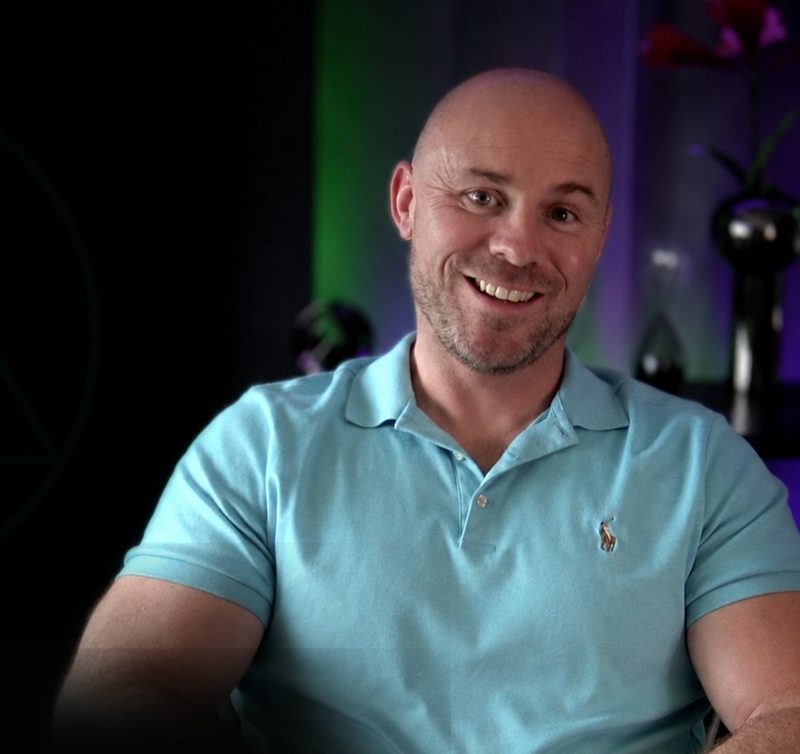
I am Adam Cox, a clinical hypnotherapist with more than 20 years of experience, and journalists and clients call me the Phobia Guru. I work one to one over Zoom with people whose fears are holding them back, including rarer ones like this. Every plan starts with understanding what your fear is really about.
Common questions
Is it normal to be anxious when speaking a new language?
Yes, language learners often report this kind of anxiety, and it is recognised by teachers and researchers. It tends to ease with practice in low pressure settings, though for some people it becomes strong enough to stop them trying at all.
How can you help?
I use hypnotherapy and NLP to change how your mind responds to the thing you fear, so the old alarm stops going off. Sessions are one to one over Zoom, and you get a recording of the hypnosis to listen to afterwards.
How many sessions will I need?
Many clients notice a real difference after one 90 minute session. If the fear goes back a long way, three sessions gives us room to make the change stick.
Further reading: NHS: Social anxiety · Wikipedia: Foreign language anxiety · NHS: Phobias
Ready to start?
Book a £49 consultation call and we’ll talk through your fear, or take the free suitability test first.
See all session options and prices
Hypnosis downloads for this fear
Prefer to start on your own? This recorded session from my store is £9.99 and yours to keep.
