
Fear of Semantic Web developers (semaphobia)
Semaphobia is a coined joke term for a fear of average web developers using Semantic Web technologies. It belongs to the world of tech humour, where it pokes fun at ambitious data standards in the hands of ordinary coders.
About this phobia
The name looks like a short form of Semantic Web plus phobia, and it is not a real fear. It has no clinical record and circulates mainly among developers. Genuine stress around technology at work is common, though, and can show up as a fear of making mistakes or of systems failing.
How it shows up
Nobody is known to genuinely fear Semantic Web developers, and the term is a joke shared among people who build websites. The stress underneath it can be very real, though: a fear of complex systems breaking, of inheriting messy code or of being blamed when something goes wrong. For some people working in tech, that pressure turns into dread before code reviews, software releases or team meetings, and can linger long after the working day ends. That is different from ordinary grumbling about a tricky project.
Common triggers
- Inheriting complicated or undocumented code
- Release days and deadlines
- Systems going down
- Code reviews
- Urgent requests to fix something
- Unfamiliar data standards or jargon
- Being the only person who understands a system
Where it shows up
- Offices and home working set ups
- Daily team meetings
- Tech conferences
- Late night on call shifts
- Online developer forums
- Job interviews with technical tests
Symptoms
In your body
- Tension headaches
- Tight shoulders
- Trouble sleeping
- Racing heart
- Stomach churning before releases
In your mind
- Fear of making mistakes
- Imagining the worst outcome
- Feeling out of your depth
- Worry about being found out as not good enough
What you might do
- Putting off tasks
- Overchecking work
- Avoiding asking for help
- Working very long hours to stay ahead
What may cause it
The joke itself has no research behind it. Work stress in technology is common, and can be driven by fast change, high stakes when systems fail and a culture that sometimes rewards long hours and quick fixes over careful planning. People who are perfectionists, or who have had a bad experience such as a very public mistake, may be more prone to dread. Avoiding hard tasks gives brief relief but tends to add to the pressure.
How it can affect your life
Ongoing stress at work can affect sleep, concentration and relationships at home. It may also lead people to turn down new roles or projects they would otherwise enjoy. Some find the worry follows them home, so they check messages late at night or struggle to switch off at weekends.
Related fears
- Fear of failure (atychiphobia)
- Fear of technology (technophobia)
- Fear of computers (cyberphobia)
- Fear of criticism, often linked to perfectionism
Things that can help day to day
- Break big tasks into small, clear steps
- Ask colleagues for help early, before small problems grow into big ones
- Take regular breaks away from the screen, ideally outdoors
- Keep a short list of things that went well each week, however small
When to get help
If work stress is affecting your sleep, mood or health, speak to your GP. Many workplaces also offer free, confidential support through an employee assistance programme, which can include counselling.
Explore more unusual fears in the rare phobias A to Z, or browse the common phobias.
About me
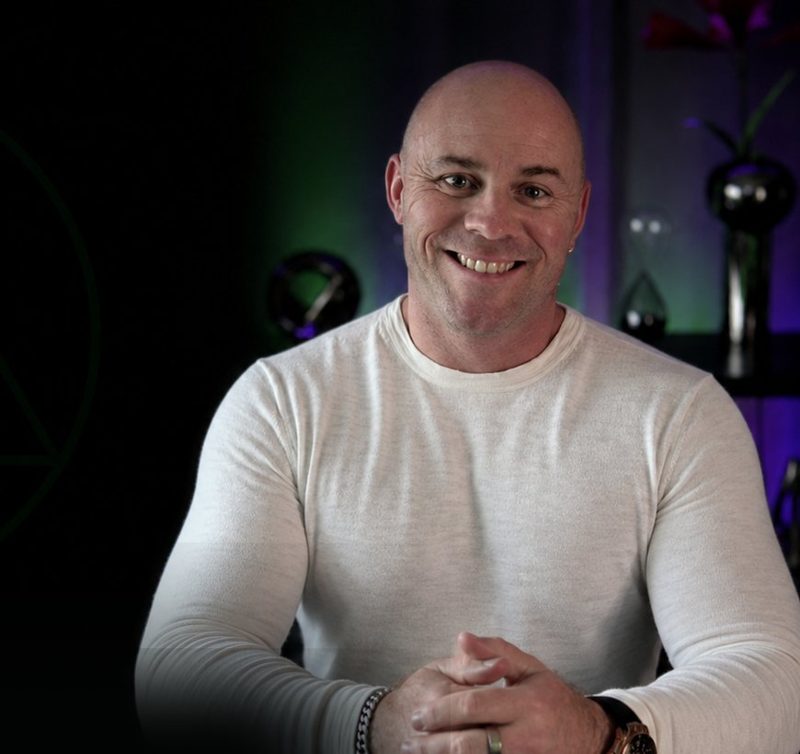
I am Adam Cox, a clinical hypnotherapist with more than 20 years of experience, and journalists and clients call me the Phobia Guru. I work one to one over Zoom with people whose fears are holding them back, including rarer ones like this. Every plan starts with understanding what your fear is really about.
Common questions
Is semaphobia a real phobia?
No, it is an in-joke for web developers rather than a recognised fear. If technology at work does cause real anxiety, such as dread before launches or fear of breaking things, that is a genuine stress worth addressing.
How can you help?
I use hypnotherapy and NLP to change how your mind responds to the thing you fear, so the old alarm stops going off. Sessions are one to one over Zoom, and you get a recording of the hypnosis to listen to afterwards.
How many sessions will I need?
Many clients notice a real difference after one 90 minute session. If the fear goes back a long way, three sessions gives us room to make the change stick.
Further reading: NHS: Phobias · Mind: Phobias
Ready to start?
Book a £49 consultation call and we’ll talk through your fear, or take the free suitability test first.
See all session options and prices
Hypnosis downloads for this fear
Prefer to start on your own? This recorded session from my store is £9.99 and yours to keep.
