
Fear of a specific disease (monopathophobia)
Monopathophobia is a fear of one particular disease, rather than illness in general. A person might fear one condition so strongly that they check their body for signs or avoid any mention of it. Any real symptoms are always worth checking with a GP, who can look at them properly.
You can look after your health without one worry running your days. Many people find that with the right help, the checking and searching ease.
Use code PHOBIA at checkout for half price: £24.50 instead of £49. Outside the UK? $29.50.
About this phobia
The word joins the Greek monos, meaning single, with pathos, meaning suffering or disease. It is rarely used outside lists of phobias. Fears of specific illnesses are more often discussed under health anxiety, and some have their own names, such as carcinophobia for cancer.
How it shows up
Most people worry about their health from time to time, especially when someone close to them is ill. In monopathophobia, the focus narrows to one condition, and ordinary sensations such as a twinge or a mark on the skin can feel like proof that it has arrived. A normal test result may bring relief for a day or two before the doubt returns. That cycle of fear, checking and short-lived reassurance is what sets it apart from everyday concern.
Common triggers
- News stories or adverts about the illness
- A friend or relative being diagnosed
- Ordinary aches, lumps or tiredness
- Searching symptoms online
- TV dramas set in hospitals
- Awareness campaigns and fundraising events
Where it shows up
- Waiting rooms and hospitals
- Late at night when the mind is quiet
- After reading health news
- During routine screening appointments
- Around the anniversary of a loved one’s illness
Symptoms
In your body
- Tight chest or stomach
- Racing heart
- Trouble sleeping
- Tension headaches
- Restlessness
In your mind
- Constant thoughts about having the illness
- Doubting reassurance from doctors
- Picturing worst-case outcomes
What you might do
- Checking the body many times a day
- Searching symptoms online
- Avoiding any mention of the illness
- Asking others repeatedly for reassurance
What may cause it
There is little research on fear of a single disease as a separate phobia, but it is closely tied to what doctors call health anxiety. Losing someone to an illness, or seeing them go through it, is a common starting point. Checking and reassurance-seeking can calm the worry briefly, but they teach the mind that the danger is real, so the fear tends to come back stronger. Times of stress or change can make it flare up.
How it can affect your life
The fear can take up hours of thought each day and strain relationships when loved ones are asked for reassurance again and again. Some people avoid appointments altogether, while others book far more than they need.
Related fears
- Fear of illness in general (nosophobia)
- Health anxiety
- Fear of cancer (carcinophobia)
- Fear of germs (mysophobia)
Things that can help day to day
- Book a GP appointment for any real symptom, and agree a plan rather than checking yourself
- Limit symptom searching online, as it tends to feed the worry
- Write down worries and set a short worry time each day
- Spend time on activities that absorb you, such as walking or a hobby
When to get help
Always see a GP about any new or lasting symptom. If the fear itself is taking over your days, tell your GP about that too, as health anxiety is common and there is support for it.
Explore more unusual fears in the rare phobias A to Z, or browse the common phobias.
About me
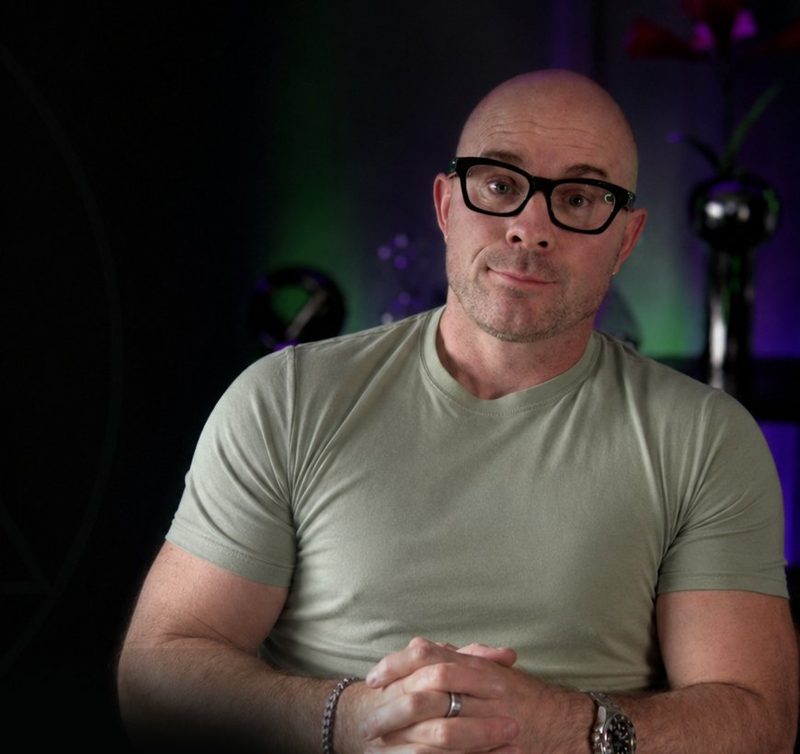
If you’ve tried to talk yourself out of this fear and it hasn’t worked, that isn’t a lack of willpower. A phobia is an alarm your mind learned, and logic alone rarely switches it off.
When a fear is less common, it can be harder to explain, so you may not have told many people about it. I work one to one over Zoom with people whose fears are holding them back, including rarer ones like this, and every plan starts with understanding what your fear is really about.
I’ve spent 17 years in clinical practice and helped more than 1,000 people with phobias. I hold a Postgraduate Certificate and a Postgraduate Diploma in Clinical Hypnotherapy, both with Distinction, and journalists and clients call me the Phobia Guru.
Common questions
How is this different from health anxiety?
Health anxiety usually covers worry about being ill in a broad way, while monopathophobia narrows that to a single disease. The two overlap a lot. A GP can check any symptoms and talk through support for the worry itself.
How can you help?
I use hypnotherapy and NLP to change how your mind responds to the thing you fear, so the old alarm stops going off. Sessions are one to one over Zoom, and you get a recording of the hypnosis to listen to afterwards.
How many sessions will I need?
Many clients notice a real difference after one 90 minute session. If the fear goes back a long way, three sessions gives us room to make the change stick.
Further reading: Health Anxiety and Pathophobia
Ready to start?
A short call is the simplest next step. We’ll talk about your fear, what you’d like to feel instead, and whether I’m the right person to help.
- Take the free test at the top of this page to see how strong your fear is.
- Book a 30 minute call. Use code PHOBIA at checkout for half price: £24.50 instead of £49 ($29.50 outside the UK).
- Start your sessions over Zoom from wherever you live, or face to face in Hertfordshire.
See all session options and prices