
Fear of ageing (gerascophobia)
En español: lee sobre este miedo en Fobias.org.
A fear of ageing can show up at birthdays, in the mirror, when a friend gets ill or when you think about growing old. It goes beyond the usual dislike of wrinkles and can colour how you feel about the future. It can be helped.
Many people find that with the right help, birthdays and the mirror stop setting off dread, and there is more room to enjoy each stage of life.
Use code PHOBIA at checkout for half price: £24.50 instead of £49. Outside the UK? $29.50.
Understanding this fear
Gerascophobia is a persistent, intense fear of growing older. Most people have some worries about ageing, such as wrinkles, health or money, but with gerascophobia the fear is out of proportion, keeps coming back and can take over your thoughts even when you are in good health. It is often less about the number on a birthday card and more about what ageing seems to stand for, such as losing looks, independence, health or time. It can make the present hard to enjoy because the mind is always looking ahead with dread.
There is little research on how many people have it, and only a small number of cases have been described in medical journals. It is often linked with wider worries, such as fear of illness, dementia, losing independence, loneliness or death. Researchers have suggested that negative pictures of ageing in films, books and the media can be absorbed from childhood and later turned inward. The fear can show up at any age, including in younger adults who are nowhere near old.
Common triggers
- Birthdays, especially milestone ones
- Grey hairs, lines or other changes in the mirror
- Photos of yourself
- A friend or relative becoming ill
- Visits to care homes or hospitals
- Retirement or pension paperwork
- Adverts for anti-ageing products
- Hearing about dementia
Where it shows up
- The bathroom mirror
- Birthday celebrations
- GP and hospital appointments
- Care homes and visits to older relatives
- Social media and magazines
- School reunions and family photos
- Work, when younger colleagues arrive
Symptoms
In your body
- Tight chest or racing heart when ageing comes up
- Restless sleep
- Tension headaches
- Knots in the stomach
- Tiredness from constant worry
In your mind
- Time is running out
- I will lose my looks and no one will want me
- I will end up ill, alone or dependent on others
- Constant comparison with younger people
- Low mood around birthdays or milestones
What you might do
- Avoiding mirrors and photos
- Spending heavily on anti-ageing treatments and products
- Hiding or lying about your age
- Avoiding older relatives or care settings
- Searching online for signs of illness or decline
- Skipping birthday celebrations
What causes it
Fear of ageing usually grows from a mix of experiences and messages. Watching a parent or grandparent struggle with illness, dementia or loneliness can leave a strong impression of what getting older means. Our culture also tends to show ageing in a negative light, and some researchers think these images are taken in from childhood and later applied to ourselves. Ageing can also remind us that life is limited, which can stir up deeper fears. Avoiding mirrors, birthdays and older people may feel protective, but it keeps the fear going by never letting the mind see a more balanced picture.
How it can affect your life
Gerascophobia can take the joy out of birthdays and family milestones and cast a shadow over the future. Some people spend a great deal of time and money trying to stop visible signs of ageing, while others avoid health checks because they fear what they might hear. It can strain relationships with older relatives and make time with them feel uncomfortable. Most of all, it can stop people enjoying the life they have now.
Things that can help day to day
- Notice when your mind jumps to worst-case pictures of old age and ask what a more balanced picture would include
- Spend time with older people who are living well and enjoying life
- Keep up habits that support health, such as moving, sleeping well and seeing friends
- Cut down on media that pushes anti-ageing messages
- Sort practical matters such as savings or future wishes once, then let the worry rest
When to get help
It is worth getting help if the fear is on your mind most days, stops you enjoying birthdays or seeing family, or leads you to avoid health checks. Your GP is the right first step if you have health worries or if anxiety is affecting your daily life. If the fear brings low mood, please talk to your GP, and you can call Samaritans free on 116 123 at any time.
How I can help
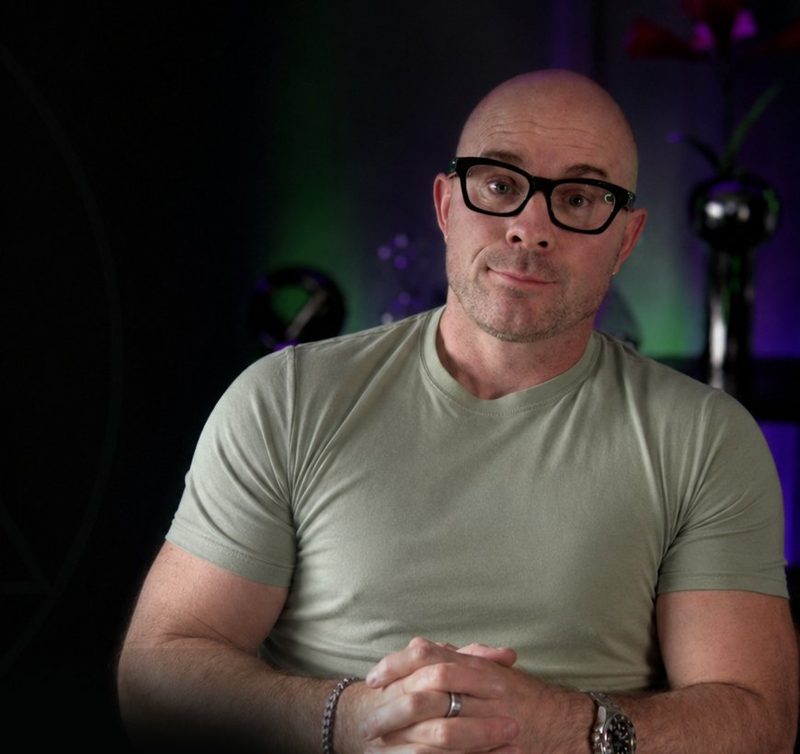
If you’ve tried to talk yourself out of this fear and it hasn’t worked, that isn’t a lack of willpower. A phobia is an alarm your mind learned, and logic alone rarely switches it off.
When I work with a fear of ageing over Zoom, I first want to understand what growing older really means to you, as for some people it is about looks and for others health, independence or being alone. Using hypnotherapy and NLP, we work on the memories and images that shaped that fear and help your mind form a calmer, more balanced view of the years ahead. We also rehearse moments like birthdays or looking in the mirror while you stay settled. Many clients find they feel more present and able to enjoy life as it is now.
I’ve spent 17 years in clinical practice and helped more than 1,000 people with phobias. I hold a Postgraduate Certificate and a Postgraduate Diploma in Clinical Hypnotherapy, both with Distinction.
Common questions
Can young people have a fear of ageing?
Yes. Gerascophobia is not limited to older adults, and it can show up in people in their twenties and thirties, often around milestone birthdays or after seeing a relative become unwell.
Is a fear of ageing the same as a fear of death?
They are linked but not the same. For some people ageing is a reminder that life is limited, while for others the fear is mainly about looks, health or independence.
Does anti-ageing skincare help with the fear?
Looking after your skin is fine, but when routines and treatments are driven by fear they tend to feed it rather than calm it. Working on what the fear is really about usually brings more lasting relief.
Is it normal to worry about getting older?
A little worry is normal for most of us. It becomes a phobia when the fear feels constant, takes over your thoughts or stops you enjoying life now. That is the point at which it is worth getting some support.
How can you help?
I use hypnotherapy and NLP to change how your mind responds to the thing you fear, so the old alarm stops going off. Sessions are one to one over Zoom, and you get a recording of the hypnosis to listen to afterwards.
How many sessions will I need?
Many clients notice a real difference after one 90 minute session. If the fear goes back a long way, three sessions gives us room to make the change stick.
Further reading: Case report: Gerascophobia in a 14-year-old boy · CENIE: Gerascophobia or the fear of ageing · Wikipedia: Gerascophobia
Ready to start?
A short call is the simplest next step. We’ll talk about your fear, what you’d like to feel instead, and whether I’m the right person to help.
- Take the free test at the top of this page to see how strong your fear is.
- Book a 30 minute call. Use code PHOBIA at checkout for half price: £24.50 instead of £49 ($29.50 outside the UK).
- Start your sessions over Zoom from wherever you live, or face to face in Hertfordshire.
See all session options and prices