
Fear of airsickness (aeronausiphobia)
Aeronausiphobia is a fear of being sick through airsickness. It can lead people to avoid flights, small planes or even fairground rides, or to spend a whole trip watching for the first sign of nausea. Anyone who often feels very unwell when travelling may find it useful to talk to a GP or pharmacist about motion sickness.
Many people find that with the right help, they can board a flight feeling settled instead of worrying about being sick.
Use code PHOBIA at checkout for half price: £24.50 instead of £49. Outside the UK? $29.50.
About this phobia
The term combines aero, meaning air, with nausea, a word linked to the Greek for ship. It is rarely used as a clinical label. It sits between two better known fears: emetophobia, the fear of vomiting, and aerophobia, the fear of flying.
How it shows up
For someone with aeronausiphobia, the worry often begins long before boarding. Days ahead they may be planning seats, meals and what to do if they feel unwell, all aimed at not being sick in front of others. During the flight, normal bumps and engine sounds can feel like warnings, and every small change in the stomach is checked. It differs from simply getting travel sick because the fear of nausea can be stronger than the nausea itself, and it can appear even on smooth trips.
Common triggers
- Turbulence or a bumpy take off
- The smell of cabin food or fuel
- Seeing sick bags in the seat pocket
- Another passenger feeling unwell
- Stuffy cabins and warm air
- Long flights with no chance to get off
Where it shows up
- Aeroplanes, especially small ones
- Helicopter or light aircraft trips
- Fairground and theme park rides
- Coaches and cars on winding roads
- Ferries in rough weather
Symptoms
In your body
- A queasy or churning stomach
- Dry mouth or swallowing often
- Sweating and feeling hot
- Light headedness
- Tense muscles for the whole trip
In your mind
- Constant checking for signs of nausea
- Fear of being sick in public
- Worry about being stuck with no way out
- Counting down every minute of a trip
What you might do
- Avoiding flights or choosing long overland routes
- Always picking a seat near the toilets
- Carrying mints, water and spare clothes just in case
- Cancelling trips at the last minute
What may cause it
Aeronausiphobia is rarely studied on its own, but it sits where two well known fears meet: fear of vomiting and fear of flying. A past episode of sickness on a plane, boat or ride can leave a strong memory that the body then links with travel. Anxiety itself can unsettle the stomach, so worrying about nausea can create the very feeling that is feared. Avoiding travel brings relief, which makes the next trip seem even harder.
How it can affect your life
This fear can rule out holidays abroad, family visits and work trips, or make them draining. Some people turn down jobs or invitations because they involve flying, which can leave them feeling left out.
Related fears
- Fear of vomiting (emetophobia)
- Fear of flying (aerophobia)
- Fear of being sick in public
Things that can help day to day
- Ask for a seat over the wing, where movement often feels smoother
- Look at a fixed point or the horizon when you can
- Practise slow breathing before and during the trip
- Remind yourself that nausea and anxiety feel alike, and both pass
When to get help
If you often feel very unwell when travelling, ask a GP or pharmacist about motion sickness. If the fear of being sick stops you travelling or affects daily life, a therapist who works with phobias can help.
Explore more unusual fears in the rare phobias A to Z, or browse the common phobias.
About me
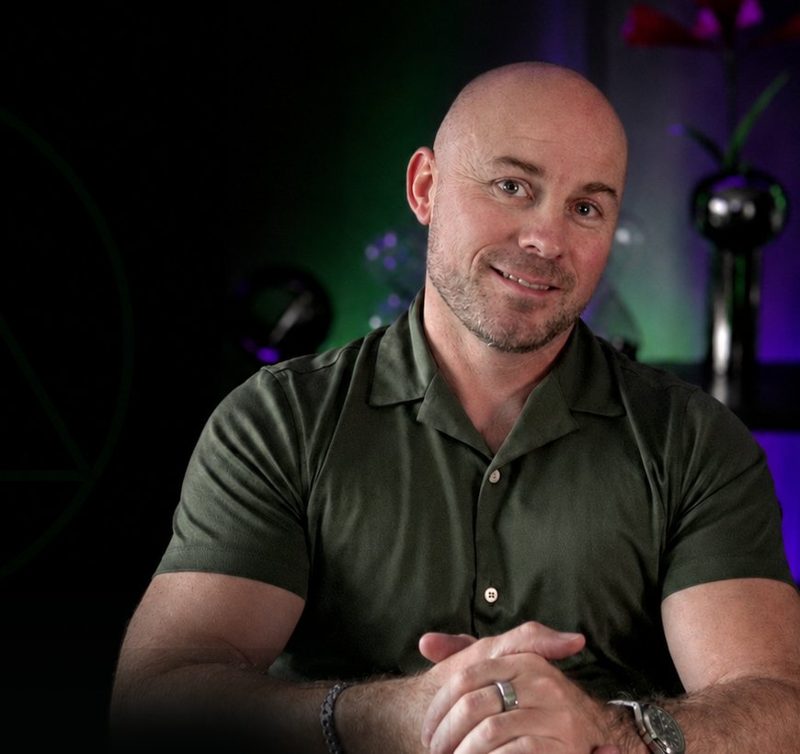
If you’ve tried to talk yourself out of this fear and it hasn’t worked, that isn’t a lack of willpower. A phobia is an alarm your mind learned, and logic alone rarely switches it off.
When a fear is less common, it can be harder to explain, so you may not have told many people about it. I work one to one over Zoom with people whose fears are holding them back, including rarer ones like this, and every plan starts with understanding what your fear is really about.
I’ve spent 17 years in clinical practice and helped more than 1,000 people with phobias. I hold a Postgraduate Certificate and a Postgraduate Diploma in Clinical Hypnotherapy, both with Distinction, and journalists and clients call me the Phobia Guru.
Common questions
Is it the flying or the being sick that people fear?
For most people with this fear, the main worry is being sick, especially in front of others in a confined space. Flying is the setting rather than the core fear. That is why it is often approached alongside the fear of vomiting.
How can you help?
I use hypnotherapy and NLP to change how your mind responds to the thing you fear, so the old alarm stops going off. Sessions are one to one over Zoom, and you get a recording of the hypnosis to listen to afterwards.
How many sessions will I need?
Many clients notice a real difference after one 90 minute session. If the fear goes back a long way, three sessions gives us room to make the change stick.
Further reading: Motion sickness, NHS · Emetophobia, Wikipedia
Ready to start?
A short call is the simplest next step. We’ll talk about your fear, what you’d like to feel instead, and whether I’m the right person to help.
- Take the free test at the top of this page to see how strong your fear is.
- Book a 30 minute call. Use code PHOBIA at checkout for half price: £24.50 instead of £49 ($29.50 outside the UK).
- Start your sessions over Zoom from wherever you live, or face to face in Hertfordshire.
See all session options and prices