
Fear of amputation (apotemnophobia)
En español: lee sobre este miedo en Fobias.org.
Apotemnophobia is a fear of amputees or of losing a limb yourself. It can lead to discomfort around people with limb differences, or strong worry about injuries and operations. Many people with this fear feel guilty about it, as it is not about the person but about the anxiety it triggers.
Many people find that with the right help, the worry about losing a limb eases and they feel comfortable around everyone.
Use code PHOBIA at checkout for half price: £24.50 instead of £49. Outside the UK? $29.50.
About this phobia
The name comes from the Greek apotemnein, to cut off. It is a rare term and should not be confused with body integrity dysphoria, where a person feels a limb does not belong to them. The fear can overlap with fears of injury, hospitals and medical procedures.
How it shows up
People with apotemnophobia often feel torn, because they know the fear is not about the person in front of them but they still feel uneasy. Seeing a prosthetic limb or an empty sleeve can bring on a rush of anxiety, and some people struggle with films or adverts that show limb loss. For others the fear is turned inward, with strong worry about accidents, surgery or illness leading to amputation. It differs from passing discomfort because it can affect how someone behaves and what they avoid.
Common triggers
- Seeing a prosthetic limb
- Stories of accidents or injuries
- Medical programmes or images
- Talk of surgery
- Power tools or machinery
- Worries about circulation or wounds
Where it shows up
- Hospitals and clinics
- Public transport
- Swimming pools and beaches
- Workplaces with machinery
- Films and TV
Symptoms
In your body
- Feeling faint or queasy
- Racing heart
- Sweating
- Muscle tension
In your mind
- Guilt or shame about the fear
- Worry about injury
- Intrusive images of limb loss
- Fear of medical procedures
What you might do
- Looking away or leaving
- Avoiding hospitals or medical programmes
- Avoiding tools or activities seen as risky
- Seeking reassurance about health
What may cause it
Apotemnophobia has very little research, so it is best understood alongside fears of injury, blood and medical procedures. Some people feel faint at the sight of injury, which is a known pattern in blood and injury fears. A past accident, a relative’s surgery or graphic images seen at a young age can also play a part. Avoidance keeps the fear going and can add to feelings of guilt, especially when the fear touches on people the person cares about.
How it can affect your life
The fear can make social situations, medical care and some jobs harder. It can also bring guilt and embarrassment, which may stop people talking about it or asking for help. Some people put off check ups or treatment because hospitals feel too closely linked to the fear.
Related fears
- Fear of injury (traumatophobia)
- Fear of blood (haemophobia)
- Fear of hospitals (nosocomephobia)
- Fear of surgery (tomophobia)
Things that can help day to day
- Remind yourself that the fear is about your own reaction, not the person
- Read or watch stories of people living full lives with limb differences
- Practise slow breathing when anxiety rises
- Talk openly with someone you trust about any guilt you feel
When to get help
If you have health worries about circulation, wounds or injury, see a GP. If the fear is affecting your relationships, work or medical care, a therapist who works with phobias can help.
Explore more unusual fears in the rare phobias A to Z, or browse the common phobias.
About me
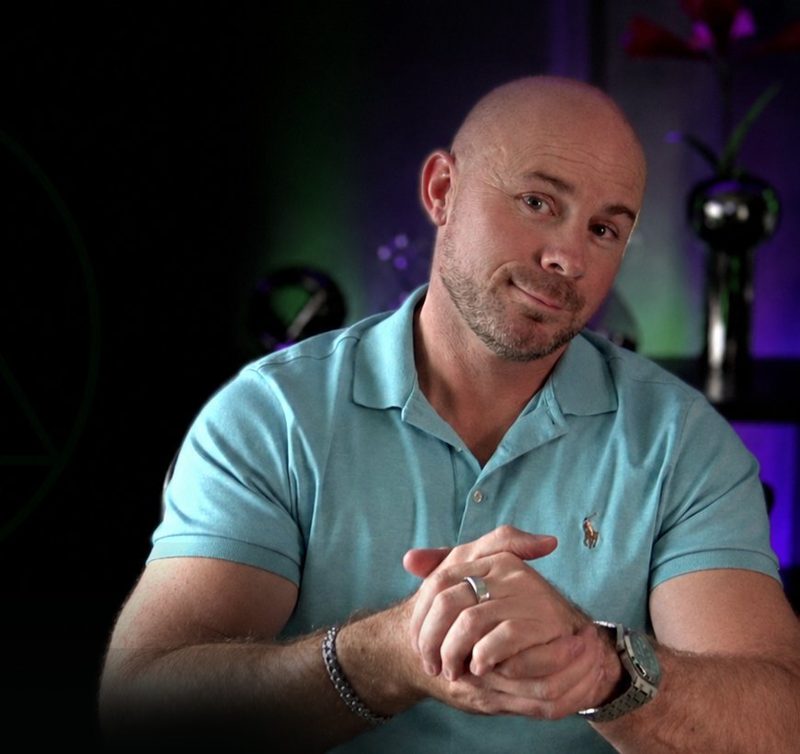
If you’ve tried to talk yourself out of this fear and it hasn’t worked, that isn’t a lack of willpower. A phobia is an alarm your mind learned, and logic alone rarely switches it off.
When a fear is less common, it can be harder to explain, so you may not have told many people about it. I work one to one over Zoom with people whose fears are holding them back, including rarer ones like this, and every plan starts with understanding what your fear is really about.
I’ve spent 17 years in clinical practice and helped more than 1,000 people with phobias. I hold a Postgraduate Certificate and a Postgraduate Diploma in Clinical Hypnotherapy, both with Distinction, and journalists and clients call me the Phobia Guru.
Common questions
Is it wrong to feel uncomfortable around amputees?
Feeling anxious is not a moral failing, and many people with this fear wish it were different. The aim of support is to ease the anxiety so it no longer gets in the way. If the fear centres on your own health, such as diabetes or circulation problems, a GP can explain the real risks.
How can you help?
I use hypnotherapy and NLP to change how your mind responds to the thing you fear, so the old alarm stops going off. Sessions are one to one over Zoom, and you get a recording of the hypnosis to listen to afterwards.
How many sessions will I need?
Many clients notice a real difference after one 90 minute session. If the fear goes back a long way, three sessions gives us room to make the change stick.
Further reading: Body integrity image disorder: the desire for amputation, The GIST · Blood injury and injection phobia: the neglected one, PubMed Central
Ready to start?
A short call is the simplest next step. We’ll talk about your fear, what you’d like to feel instead, and whether I’m the right person to help.
- Take the free test at the top of this page to see how strong your fear is.
- Book a 30 minute call. Use code PHOBIA at checkout for half price: £24.50 instead of £49 ($29.50 outside the UK).
- Start your sessions over Zoom from wherever you live, or face to face in Hertfordshire.
See all session options and prices