
Fear of anger (angrophobia)
En español: lee sobre este miedo en Fobias.org.
Angrophobia is a fear of anger, either other people’s anger or your own. It might mean avoiding any conflict, apologising quickly to calm things down, or holding back irritation until it feels overwhelming. Raised voices, even on television, can be enough to set it off.
Many people find that with the right help, they can handle disagreements calmly and stop walking on eggshells.
Use code PHOBIA at checkout for half price: £24.50 instead of £49. Outside the UK? $29.50.
About this phobia
The word joins the English anger with the Greek phobos, meaning fear, so it is a modern blend rather than a clinical term. It is rarely reported. The alternative name cholerophobia can be confusing, as it is also used for fear of cholera.
How it shows up
Angrophobia can make any sign of irritation, from a sigh to a slammed door, feel like a warning. People with this fear may rush to smooth things over, apologise when they have done nothing wrong, or keep quiet to avoid upsetting anyone. Some fear their own anger, worrying that if they let it out they will lose control. This differs from disliking conflict because the fear can shape relationships and choices in a big way.
Common triggers
- Raised voices
- Arguments on TV or in the street
- Someone sighing or slamming doors
- Being criticised
- Feeling irritated yourself
- Tense silences
- Heavy footsteps or banging in the home
Where it shows up
- Home and family life
- Workplaces with strong personalities
- Busy roads and car parks
- Public transport
- Sports matches and crowds
Symptoms
In your body
- Racing heart and shaky hands
- A tight chest or knotted stomach
- Freezing or wanting to hide
- Tearfulness
In your mind
- Constantly reading other people’s moods
- Fear of upsetting anyone
- Worry about losing control of your own anger
- Replaying arguments afterwards
What you might do
- Apologising quickly
- Avoiding any disagreement
- Bottling up feelings
- Leaving the room when voices rise
What may cause it
There is little research on angrophobia as a named fear, but fear of anger often makes sense in the light of past experience. Growing up around shouting, unpredictable moods or aggression can teach someone that anger means danger. Others were told that showing anger is wrong, which can make their own feelings frightening. Avoiding conflict brings short relief but stops people learning that anger can be expressed and handled safely.
How it can affect your life
The fear can make it hard to stand up for yourself, set limits or sort out problems at work and at home. At work, it can mean agreeing to too much or avoiding giving honest feedback. Bottled up feelings may build into stress, low mood or sudden outbursts that then feed the fear.
Related fears
- Fear of conflict
- Fear of judgement (social anxiety)
- Fear of criticism (enissophobia)
Things that can help day to day
- Remind yourself that anger is a normal feeling and not the same as aggression
- Practise saying how you feel calmly in low pressure moments
- Take a short break when voices rise, then return when things are calmer
- Notice your own irritation early, before it builds
When to get help
If fear of anger is affecting your relationships or wellbeing, a GP can point you towards talking therapy. If it links to past mistreatment or a frightening home life, a GP or specialist counsellor can help, and if you feel unsafe now, seek support straight away.
Explore more unusual fears in the rare phobias A to Z, or browse the common phobias.
About me
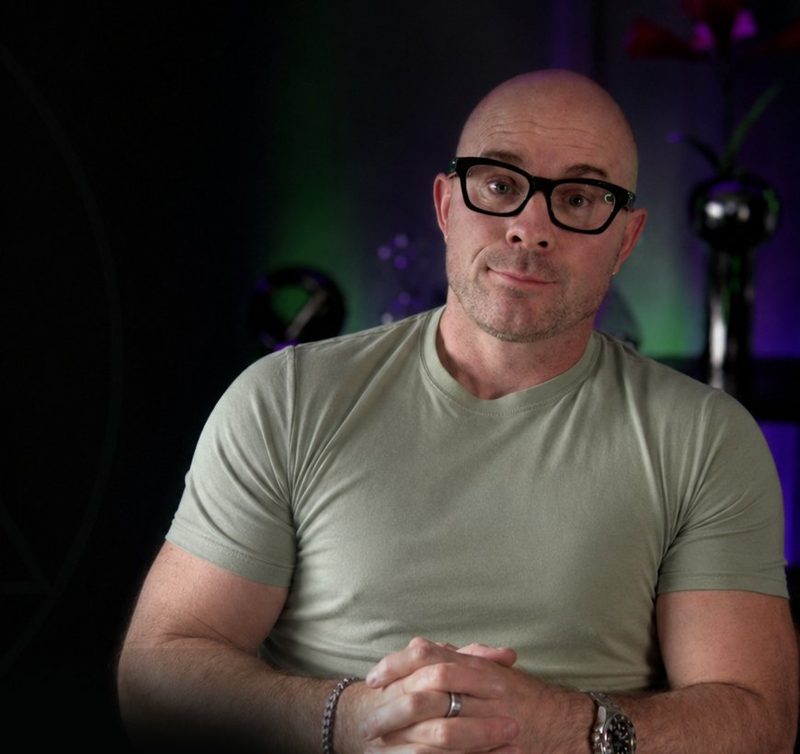
If you’ve tried to talk yourself out of this fear and it hasn’t worked, that isn’t a lack of willpower. A phobia is an alarm your mind learned, and logic alone rarely switches it off.
When a fear is less common, it can be harder to explain, so you may not have told many people about it. I work one to one over Zoom with people whose fears are holding them back, including rarer ones like this, and every plan starts with understanding what your fear is really about.
I’ve spent 17 years in clinical practice and helped more than 1,000 people with phobias. I hold a Postgraduate Certificate and a Postgraduate Diploma in Clinical Hypnotherapy, both with Distinction, and journalists and clients call me the Phobia Guru.
Common questions
Why would someone be afraid of their own anger?
Some people worry that if they let anger out, they will lose control or damage a relationship. This can come from growing up around angry outbursts, and if the fear relates to past mistreatment, a GP or specialist counsellor can help. Learning that anger can be felt and expressed safely often eases the fear.
How can you help?
I use hypnotherapy and NLP to change how your mind responds to the thing you fear, so the old alarm stops going off. Sessions are one to one over Zoom, and you get a recording of the hypnosis to listen to afterwards.
How many sessions will I need?
Many clients notice a real difference after one 90 minute session. If the fear goes back a long way, three sessions gives us room to make the change stick.
Further reading: Mind: When is anger a problem · University of Gothenburg: Fear of anger and anxiety · NHS: Social anxiety
Ready to start?
A short call is the simplest next step. We’ll talk about your fear, what you’d like to feel instead, and whether I’m the right person to help.
- Take the free test at the top of this page to see how strong your fear is.
- Book a 30 minute call. Use code PHOBIA at checkout for half price: £24.50 instead of £49 ($29.50 outside the UK).
- Start your sessions over Zoom from wherever you live, or face to face in Hertfordshire.
See all session options and prices