
Fear of animals (zoophobia)
En español: lee sobre este miedo en Fobias.org.
Zoophobia is a fear of animals in general. It can show up with pets, farm animals, wildlife or zoos, and it can be helped.
Many people find that with the right help, pets, farm animals and wildlife become something they can be around calmly.
Use code PHOBIA at checkout for half price: £24.50 instead of £49. Outside the UK? $29.50.
Understanding this fear
Zoophobia is a strong, lasting fear of animals that goes well beyond normal caution. Most of us take care around a strange dog or a herd of cows, but with zoophobia the fear arrives fast, feels overwhelming and stays even when the animal is harmless, caged or only on a screen. Some people fear many kinds of animal, while others fear one group, such as birds or anything that scurries. If one particular animal is the main problem, the separate pages on dogs, spiders and birds may fit you better.
Fears of animals are thought to be among the most common types of specific phobia, and they often start in childhood. Women report specific phobias more often than men, although anyone can be affected at any age. The fear can begin after a frightening moment, such as being chased or bitten, or simply from growing up around an adult who reacted with alarm. Over time it can spread from one animal to others that move, sound or look in a similar way.
If rabbits are the animal that bothers you most, read the page on the fear of rabbits.
If bears are what bother you most, read the page on the fear of bears.
If monkeys are what bother you most, read the page on the fear of monkeys.
Common triggers
- An animal moving suddenly or unpredictably
- Barking, hissing, squawking or other sudden noises
- Being approached, sniffed or jumped up at
- Fur, feathers or scales brushing against you
- Seeing an animal off its lead or loose
- Finding a creature indoors, such as a mouse or a bird
- Photos, films or wildlife programmes
- Friends or family talking about getting a pet
- Thinking about an animal getting into your home or bed
Where it shows up
- Friends’ homes where pets live
- Parks, footpaths and fields with livestock
- Farms, petting zoos and safari parks
- Zoos and aquariums on school trips or days out
- Pet shops and vets’ waiting rooms
- Beer gardens and pub patios
- Holiday cottages and campsites in the countryside
Symptoms
In your body
- Racing or pounding heart
- Quick, shallow breathing or feeling short of breath
- Sweating, trembling or shaking
- Tight chest or a lump in the throat
- Nausea or a churning stomach
- Feeling dizzy or light-headed
- Freezing on the spot
In your mind
- It is going to jump at me or bite me
- A sudden wave of disgust at the sight of it
- I will panic and make a fool of myself
- Constantly scanning for animals when out
- Knowing the fear is out of proportion but feeling unable to stop it
- Dreams or nightmares about animals
What you might do
- Crossing the road or turning back when an animal appears
- Turning down invitations to homes with pets
- Asking hosts to shut animals away before you visit
- Checking rooms, gardens or tents before settling
- Avoiding countryside walks, farms and zoos
- Leaving the room when animals come on TV
What causes it
There is rarely a single cause. For many people the fear began with a frightening moment, such as being bitten, scratched, chased or startled by an animal, often in childhood. Others learned it by watching a parent or older sibling react with alarm, or picked it up from stories and news reports about attacks. Some researchers think humans are primed to notice fast, unpredictable creatures, which may explain why certain animals are feared more easily than others, and a family history of anxiety can add to the risk. Whatever started it, avoidance keeps it going, because every time you step away the relief tells your brain the animal really was dangerous.
How it can affect your life
Zoophobia can shrink your world more than people expect. Countryside walks, visits to friends with pets, family days at a farm or zoo and rural holidays can all become a source of dread. Parents may worry about passing the fear on, or feel guilty when children miss out on outings. Some people feel embarrassed explaining why they cannot visit a friend’s house, which can strain relationships and lead to quiet isolation.
Things that can help day to day
- Practise breathing out for longer than you breathe in, so it comes easily when you need it
- Notice the specific thought behind the fear, such as it will jump at me, and ask how often that has actually happened
- Start small and safe, for example looking at photos or short videos of a calm, familiar pet
- Ask a friend with a gentle pet to keep it on a lead or in another room while you build confidence
- Skip coffee and energy drinks before a visit or outing where you know animals will be around
When to get help
It is worth getting help if the fear is stopping you seeing friends, going outdoors or joining family trips, or if you find yourself planning your days around avoiding animals. Help is also worth seeking if it brings on panic attacks, or if your child’s fear of animals is growing rather than fading. If anxiety is affecting your daily life, your GP is a sensible first step, and in England you can also refer yourself to NHS Talking Therapies.
How I can help
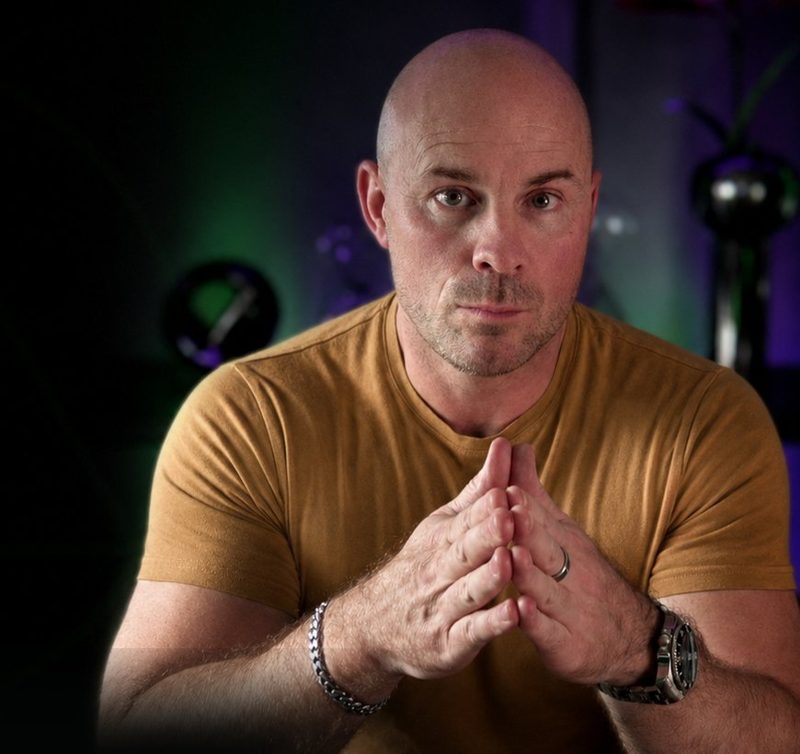
If you’ve tried to talk yourself out of this fear and it hasn’t worked, that isn’t a lack of willpower. A phobia is an alarm your mind learned, and logic alone rarely switches it off.
In my Zoom sessions for animal fears, the first step is working out what actually sets the alarm off, because for one person it is sudden movement and for another it is a single bad day years ago. Using hypnotherapy and NLP, we then let your mind rehearse calm encounters, first at a distance and then closer, while you stay relaxed in your chair. That rehearsal helps retrain the automatic reaction that fires before you have had a chance to think. Many clients find that animals become something they can simply take or leave, rather than something they have to plan their life around.
I’ve spent 17 years in clinical practice and helped more than 1,000 people with phobias. I hold a Postgraduate Certificate and a Postgraduate Diploma in Clinical Hypnotherapy, both with Distinction.
Common questions
Can zoophobia make you scared of every animal?
It can, although most people fear particular groups, such as animals that move fast or make sudden noises. The fear sometimes spreads from one animal to others that look or behave in a similar way. Working on the core reaction often helps across the board.
Is it normal for children to be scared of animals?
Yes, many young children go through a phase of fearing dogs, birds or other animals, and most grow out of it. If the fear is getting stronger, lasting many months or stopping your child going to parks or friends’ homes, it is worth getting advice. Staying calm yourself around animals helps, because children watch how adults react.
Why do I feel disgust as well as fear around animals?
Disgust is a common part of animal fears, especially with creatures that are slimy, scaly or scurry. It is a protective reaction that has become oversensitive. Both the fear and the disgust can ease with the right help.
Is zoophobia the same as a fear of dogs or spiders?
No. Zoophobia is an umbrella term for a fear of animals in general. Most people fear particular animals, such as dogs, spiders or birds, so there are separate pages for those.
How can you help?
I use hypnotherapy and NLP to change how your mind responds to the thing you fear, so the old alarm stops going off. Sessions are one to one over Zoom, and you get a recording of the hypnosis to listen to afterwards.
How many sessions will I need?
Many clients notice a real difference after one 90 minute session. If the fear goes back a long way, three sessions gives us room to make the change stick.
Further reading: Cleveland Clinic: Zoophobia · Medical News Today: Zoophobia · Anxiety UK: Zoophobia · NHS: Phobias
Ready to start?
A short call is the simplest next step. We’ll talk about your fear, what you’d like to feel instead, and whether I’m the right person to help.
- Take the free test at the top of this page to see how strong your fear is.
- Book a 30 minute call. Use code PHOBIA at checkout for half price: £24.50 instead of £49 ($29.50 outside the UK).
- Start your sessions over Zoom from wherever you live, or face to face in Hertfordshire.
See all session options and prices