
Fear of ants (myrmecophobia)
En español: lee sobre este miedo en Fobias.org.
A fear of ants can show up on picnics, in kitchens, in the garden or on a country walk. The sight of a trail, or the thought of them crawling on you, is often enough to set it off. It can be helped.
Many people find that with the right help, a picnic or a country walk becomes something to enjoy, even if an ant turns up.
Use code PHOBIA at checkout for half price: £24.50 instead of £49. Outside the UK? $29.50.
Understanding this fear
Myrmecophobia is a strong, lasting fear of ants that goes well beyond finding them a nuisance. Most people brush an ant off their arm and carry on, but with this fear a single ant on the worktop or a line of them across the patio can bring a rush of panic. For some it is the thought of ants getting into food or swarming through the house, and for others it is the feeling of tiny legs on the skin. Afterwards you may keep scanning for them and feel itchy for a long time.
It is one of the specific phobias, and it often sits alongside a wider fear of insects and creepy crawlies. Like most specific phobias, it tends to start in childhood or the teenage years, and it can follow one bad moment such as a nest disturbed in the garden or being bitten. It can also be picked up quietly from a parent who reacted strongly to ants. Because ants are so common in British homes and gardens every summer, the fear can return year after year.
Common triggers
- A trail of ants across a kitchen floor or worktop
- Ants found in food, sugar or a pet bowl
- Flying ants swarming on a warm summer day
- The feeling of something crawling on your skin
- Lifting a stone or plant pot and finding a nest
- Being bitten or stung by an ant
- Close up photos or nature programmes showing ant colonies
- Hearing that ants are in a neighbour’s house
Where it shows up
- Kitchens and pantries in summer
- Gardens, patios and paving cracks
- Picnics and park benches
- Campsites and tents
- Country walks and woodland paths
- Holiday villas and hot countries
Symptoms
In your body
- Itching or a crawling feeling on the skin
- Racing heartbeat
- Sweating and shaking
- Fast, shallow breathing
- Feeling sick or a churning stomach
- Dry mouth
- Feeling dizzy or light headed
In your mind
- Thinking ants are all over you or in your bed
- Picturing them getting into your food
- Feeling disgusted or contaminated
- Dreading summer or warm weather
- Feeling you have to get away right now
What you might do
- Checking clothes, shoes and bags for ants
- Avoiding sitting on grass or outdoor seating
- Sealing every food item and cleaning over and over
- Refusing picnics, barbecues or camping
- Asking others to deal with any ants you find
What causes it
Many people can trace the fear to a specific moment, such as being bitten, sitting on a nest as a child or waking to find ants in the bed. Others never had a bad experience but grew up around an adult who shrieked or panicked whenever ants appeared, and learned that ants were something to dread. Some researchers think humans are primed to notice small creatures that swarm and crawl, because in the past these could carry disease or spoil food, so disgust plays a big part. Large numbers and fast, unpredictable movement can make the brain treat ants as a threat even though British ants are harmless to most people. Each time you avoid the garden or flee the kitchen, the relief teaches the mind that escape was the only safe option, and the fear grows a little stronger.
How it can affect your life
Ants are seasonal but very common, so the fear can shape the warmer months. You might avoid eating outside, turn down family barbecues or skip camping trips with the children. At home, constant checking and cleaning can become tiring and cause tension with others in the house. Holidays to hot countries can feel spoiled before they begin, and simply relaxing in your own garden may feel out of reach.
Things that can help day to day
- Slow your breathing with a longer out breath than in breath when you spot ants
- Store food in sealed tubs and wipe up sweet spills so the kitchen feels more in your control
- Ask a pest control service for help with a nest rather than tackling it yourself
- Look at a cartoon or drawing of an ant for a few seconds, then build up slowly
- Notice the itchy, crawling feeling and remind yourself it is the fear, not real ants
When to get help
It is worth getting help if the fear stops you enjoying your garden, going outside in summer or eating away from home, or if checking and cleaning are taking over your day. If you have had a strong allergic reaction to a bite or sting, see your GP about that first. Your GP is also a good first port of call if anxiety is affecting your daily life.
How I can help
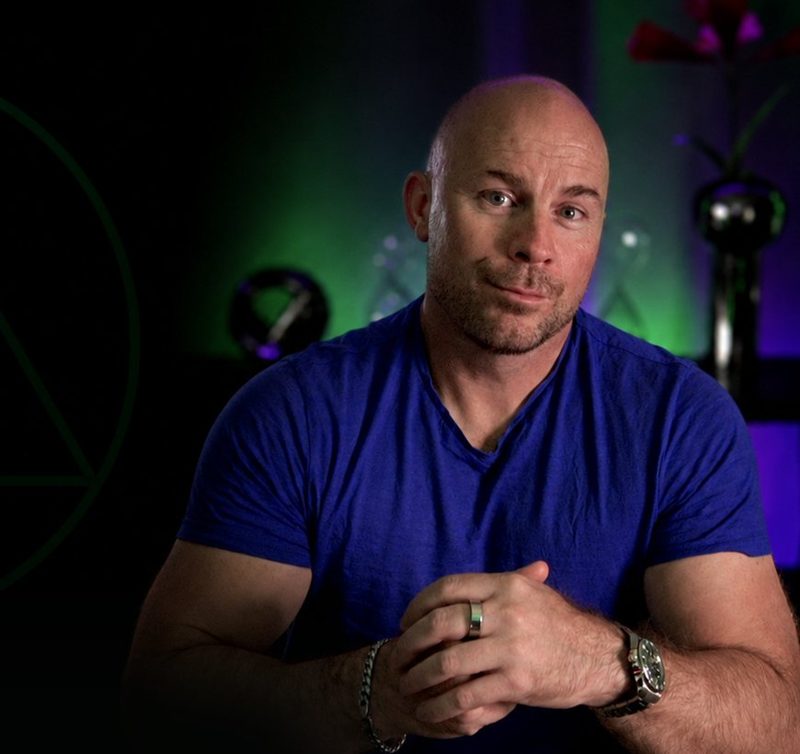
If you’ve tried to talk yourself out of this fear and it hasn’t worked, that isn’t a lack of willpower. A phobia is an alarm your mind learned, and logic alone rarely switches it off.
When I work with a fear of ants over Zoom, I start by finding out exactly what sets it off for you, whether it is the numbers, the crawling feeling or the idea of them in your food. Often there is an early memory sitting underneath it, and we look at that calmly so it loses its charge. Using hypnotherapy and NLP, we then rehearse in the mind seeing a few ants on a path and feeling settled and in control. Many clients find that the itchy, jumpy reaction fades, and they can sit in the garden again without scanning the ground.
I’ve spent 17 years in clinical practice and helped more than 1,000 people with phobias. I hold a Postgraduate Certificate and a Postgraduate Diploma in Clinical Hypnotherapy, both with Distinction.
Common questions
Why do I feel itchy just thinking about ants?
The mind can create real sensations when it expects a threat. Thinking about ants puts your attention on your skin, so normal tingles feel like crawling. It is a common part of this fear and it settles as the fear reduces.
Is a fear of ants the same as a fear of insects?
Not quite. A fear of insects in general is called entomophobia, and some people with a fear of ants are uneasy around other creepy crawlies too. Others are fine with most insects and only react to ants.
Can my child pick up my fear of ants?
Children often copy the way adults react, so a strong reaction can teach them that ants are dangerous. Staying as calm as you can around them, and getting help for your own fear, makes a real difference.
Why do tiny ants frighten me?
Size has little to do with it. It is often the numbers, the quick movement and the idea of them crawling on your skin. The reaction is automatic, and that same automatic part of the mind can learn a calmer response.
How can you help?
I use hypnotherapy and NLP to change how your mind responds to the thing you fear, so the old alarm stops going off. Sessions are one to one over Zoom, and you get a recording of the hypnosis to listen to afterwards.
How many sessions will I need?
Many clients notice a real difference after one 90 minute session. If the fear goes back a long way, three sessions gives us room to make the change stick.
Further reading: Cleveland Clinic: Entomophobia (fear of insects) · NHS: Phobias · Mind: About phobias
Ready to start?
A short call is the simplest next step. We’ll talk about your fear, what you’d like to feel instead, and whether I’m the right person to help.
- Take the free test at the top of this page to see how strong your fear is.
- Book a 30 minute call. Use code PHOBIA at checkout for half price: £24.50 instead of £49 ($29.50 outside the UK).
- Start your sessions over Zoom from wherever you live, or face to face in Hertfordshire.
See all session options and prices