
Fear of asparagus (spargarophobia)
Spargarophobia is listed as a fear of asparagus. In practice it might mean avoiding the vegetable on menus, disliking its look or texture, or being put off by its strong taste and smell.
Many people find that with the right help, asparagus on the plate becomes something they can ignore or even try.
Use code PHOBIA at checkout for half price: £24.50 instead of £49. Outside the UK? $29.50.
About this phobia
The term was found in a medical reference table with no supporting documentation, so it is best treated as a curiosity. It does not appear to be a recognised clinical fear. Dislikes of particular vegetables are very common, and a wider fear of trying new foods is better documented.
How it shows up
Asparagus divides opinion, and plenty of people simply leave it on the side of the plate. A genuine fear is different: the sight of the spears, their texture or their strong smell may bring on nausea, panic or a strong need to leave the table straight away. Some people are also bothered by the well known effect asparagus can have on the smell of urine. When the reaction is strong enough to change where and what someone eats, it is more than a dislike.
Common triggers
- The smell of cooked asparagus
- Stringy or soft textures
- Seeing asparagus on a plate
- Restaurant dishes that include it
- Its after effect on the smell of urine
- Being encouraged to try it
- Asparagus on cooking programmes
Where it shows up
- Restaurants and dinner parties
- Late spring, when it is in season
- Family meals
- Supermarket vegetable aisles
- Weddings and set menus
- Farm shops and markets in season
Symptoms
In your body
- Nausea or gagging
- Tense stomach
- Feeling hot
- Racing heart
In your mind
- Strong disgust
- Worry about it being served
- Fear of being pressured to eat it
- Feeling on edge until the plate is cleared
What you might do
- Checking menus in advance
- Moving it off the plate
- Avoiding certain restaurants or events
- Turning down dinner invitations
What may cause it
There is no research on a fear of asparagus as such. Food fears in general can follow being unwell after a meal, a strong reaction to a smell or texture, or pressure to eat certain foods as a child. Asparagus has a strong smell and taste that some people are more sensitive to than others. Avoiding it can keep the reaction strong.
How it can affect your life
The effect is usually mild, but it can make dinner parties, set menus and family meals stressful. Some people feel embarrassed explaining it, particularly when someone has cooked for them. Spring menus can feel tricky, as asparagus turns up in salads, soups and side dishes.
Related fears
- Fear of certain foods (cibophobia)
- Fear of vegetables (lachanophobia)
- Fear of new or unfamiliar foods (food neophobia)
- Fear of vomiting (emetophobia)
Things that can help day to day
- Let hosts know in advance so you can relax at the table
- Focus on the many foods you do enjoy, without forcing yourself to try asparagus
- Start with looking at pictures before being near the real thing
- Use slow breathing if the smell bothers you
When to get help
If food fears spread to many foods, or you notice you are eating much less or losing weight, please see your GP. Help is also worth seeking if meals out or at home regularly cause distress.
Explore more unusual fears in the rare phobias A to Z, or browse the common phobias.
About me
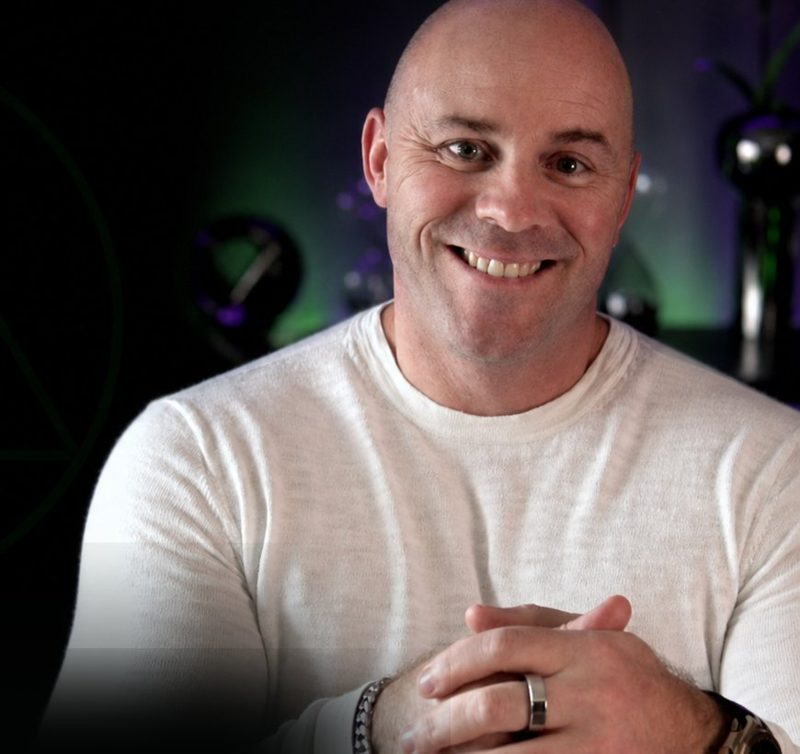
If you’ve tried to talk yourself out of this fear and it hasn’t worked, that isn’t a lack of willpower. A phobia is an alarm your mind learned, and logic alone rarely switches it off.
When a fear is less common, it can be harder to explain, so you may not have told many people about it. I work one to one over Zoom with people whose fears are holding them back, including rarer ones like this, and every plan starts with understanding what your fear is really about.
I’ve spent 17 years in clinical practice and helped more than 1,000 people with phobias. I hold a Postgraduate Certificate and a Postgraduate Diploma in Clinical Hypnotherapy, both with Distinction, and journalists and clients call me the Phobia Guru.
Common questions
Is it a problem if I cannot stand asparagus?
On its own, disliking one vegetable is very ordinary and not a cause for concern. It may be worth a closer look if many foods feel off limits. If a fear of foods means eating much less or losing weight, speak to a GP.
How can you help?
I use hypnotherapy and NLP to change how your mind responds to the thing you fear, so the old alarm stops going off. Sessions are one to one over Zoom, and you get a recording of the hypnosis to listen to afterwards.
How many sessions will I need?
Many clients notice a real difference after one 90 minute session. If the fear goes back a long way, three sessions gives us room to make the change stick.
Further reading: Healthline: Cibophobia · Cleveland Clinic: Emetophobia · NHS: Phobias
Ready to start?
A short call is the simplest next step. We’ll talk about your fear, what you’d like to feel instead, and whether I’m the right person to help.
- Take the free test at the top of this page to see how strong your fear is.
- Book a 30 minute call. Use code PHOBIA at checkout for half price: £24.50 instead of £49 ($29.50 outside the UK).
- Start your sessions over Zoom from wherever you live, or face to face in Hertfordshire.
See all session options and prices