
Fear of atomic explosions (atomosophobia)
En español: lee sobre este miedo en Fobias.org.
Atomosophobia is a fear of atomic explosions. It can flare up with news of world tensions, leading to hours spent reading updates or a sense of dread that is hard to shake. Some people find films, sirens or even the word nuclear unsettling.
Many people find that with the right help, they can follow the news without hours of dread and get on with their day.
Use code PHOBIA at checkout for half price: £24.50 instead of £49. Outside the UK? $29.50.
About this phobia
The term is based on the word atom with the suffix phobia, and it is a rare entry on phobia lists rather than a common clinical label. Worry about nuclear war tends to rise at times of global tension and overlaps with broader anxiety about world events. It is sometimes grouped with fears of disasters and of the end of the world.
How it shows up
Atomosophobia often rises and falls with the news. During times of global tension, people with this fear may spend hours reading updates, looking up what would happen in an attack, or lying awake picturing the worst. Some feel uneasy at the sound of a siren test or the sight of a sudden bright flash. This differs from normal concern about world events because the fear can take over thoughts and daily life.
Common triggers
- News of international tension
- Talk of nuclear weapons
- Films or dramas about nuclear war
- Siren tests or alarms
- Bright flashes or loud bangs
- Anniversaries of historic events
- Social media posts predicting disaster
Where it shows up
- At home watching the news
- Social media feeds
- Late at night in bed
- Near military sites or power stations
- History lessons at school
Symptoms
In your body
- Racing heart
- Trouble sleeping
- Tense muscles
- Feeling sick with worry
In your mind
- Picturing disaster scenes
- Feeling helpless about the future
- Constant thoughts about world events
- Difficulty planning ahead
What you might do
- Checking the news over and over
- Avoiding films or documentaries
- Stockpiling or planning escape routes
- Seeking reassurance from others
What may cause it
Atomosophobia is rarely studied as a named fear, but worry about nuclear war tends to rise during times of global tension. It overlaps with broader anxiety about world events and the feeling of having no control over them. Round the clock news and social media can keep frightening images close at hand, which keeps the fear alive. People who already live with general anxiety may be especially affected.
How it can affect your life
The fear can affect sleep, concentration and enjoyment of life, and may lead to being glued to the news or avoiding it altogether. It can make it hard to plan holidays, careers or family life when the future feels uncertain. Some people feel alone with the worry because others seem able to put it aside.
Related fears
- Fear of the end of the world (eschatophobia)
- Fear of war (polemophobia)
- Generalised anxiety
Things that can help day to day
- Limit news checking to one or two set times a day
- Choose calm, reliable news sources over social media
- Focus on what you can control in your own life, such as sleep and routines
- Talk with others about how world events make you feel
When to get help
If worry about nuclear threats is affecting your sleep, mood or daily life, speak to a GP about talking therapy. You do not need to wait for the fear to become severe before asking for help.
Explore more unusual fears in the rare phobias A to Z, or browse the common phobias.
About me
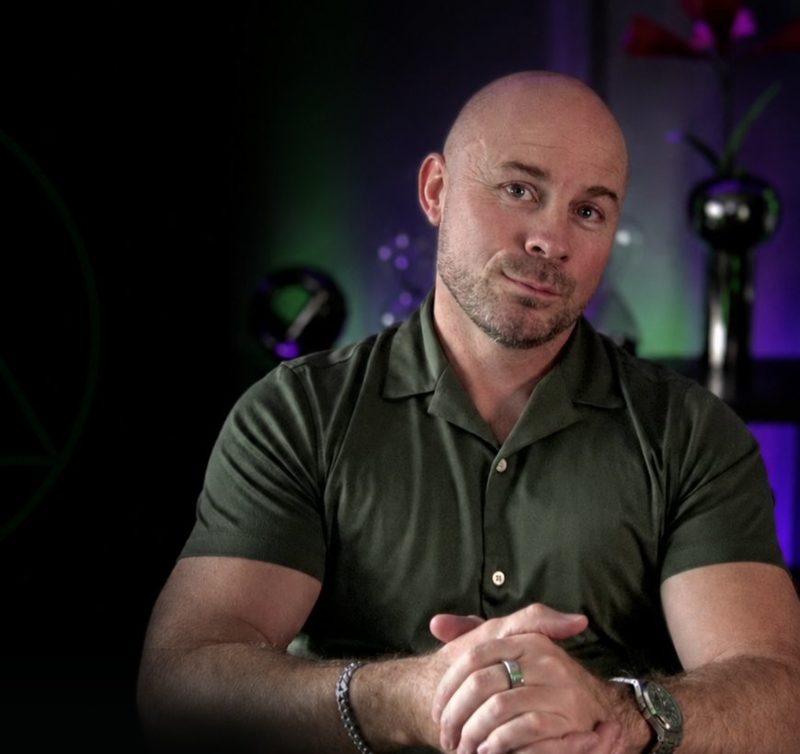
If you’ve tried to talk yourself out of this fear and it hasn’t worked, that isn’t a lack of willpower. A phobia is an alarm your mind learned, and logic alone rarely switches it off.
When a fear is less common, it can be harder to explain, so you may not have told many people about it. I work one to one over Zoom with people whose fears are holding them back, including rarer ones like this, and every plan starts with understanding what your fear is really about.
I’ve spent 17 years in clinical practice and helped more than 1,000 people with phobias. I hold a Postgraduate Certificate and a Postgraduate Diploma in Clinical Hypnotherapy, both with Distinction, and journalists and clients call me the Phobia Guru.
Common questions
How can someone cope with fear about world events?
Limiting news checking to set times often helps, as constant updates tend to feed the worry. Focusing on what is within your control, such as daily routines and time with others, can also steady things. If the fear is affecting sleep or daily life, a GP can point towards support.
How can you help?
I use hypnotherapy and NLP to change how your mind responds to the thing you fear, so the old alarm stops going off. Sessions are one to one over Zoom, and you get a recording of the hypnosis to listen to afterwards.
How many sessions will I need?
Many clients notice a real difference after one 90 minute session. If the fear goes back a long way, three sessions gives us room to make the change stick.
Further reading: BMC Public Health: Fear of nuclear war and mental health · PMC: Nuclear anxiety amid the Russian Ukrainian war · NHS: Generalised anxiety disorder
Ready to start?
A short call is the simplest next step. We’ll talk about your fear, what you’d like to feel instead, and whether I’m the right person to help.
- Take the free test at the top of this page to see how strong your fear is.
- Book a 30 minute call. Use code PHOBIA at checkout for half price: £24.50 instead of £49 ($29.50 outside the UK).
- Start your sessions over Zoom from wherever you live, or face to face in Hertfordshire.
See all session options and prices