
Fear of bathing and washing (ablutophobia)
En español: lee sobre este miedo en Fobias.org.
A fear of bathing can show up at bath time, in the shower, at the sink or even when washing your hair. It is common in small children and usually fades, but when it carries on into adult life it can be helped.
Many people find that with the right help, a bath, a shower or washing their hair becomes a simple part of the day again.
Use code PHOBIA at checkout for half price: £24.50 instead of £49. Outside the UK? $29.50.
Understanding this fear
Ablutophobia is an intense fear of bathing, showering or washing. It is more than disliking cold water or rushing a shower. For someone with this fear, the sound of a running tap, the feel of water on the face or the thought of getting in the bath can bring on panic. People usually know the fear does not make sense, but they still cannot make themselves do it.
It is a specific phobia, and it seems to be more common in children and women than in men. Many young children go through a stage of hating bath time, and this usually fades as they grow. When the fear lasts or starts in adult life, it often links back to a frightening experience such as a slip, a near drowning, or an upsetting memory connected to being washed. Some people find it overlaps with a fear of water, while others are only afraid in one situation, such as having their hair washed.
Common triggers
- Water running over your face
- Having your hair washed
- Getting into a full bath
- Shower spray that is too strong or too hot
- Slippery floors and tubs
- The sound of the plughole draining
- Being in a small, closed bathroom
- Undressing or feeling exposed
Where it shows up
- The bathroom at home
- Showers at the gym or swimming pool
- Hotel and holiday bathrooms
- Basins at the hairdresser
- Hospital and care settings
- Shared bathrooms in student halls
- Wet rooms
Symptoms
In your body
- Racing heart
- Breathlessness or gasping when water touches your face
- Shaking
- Sweating
- Dizziness or feeling faint
- Dry mouth
- Hot or cold flushes
In your mind
- I will slip and fall
- I will not be able to breathe
- I need to get out now
- Dread building as bath time gets closer
- Shame about how long it has been since you washed
- Feeling detached or not quite real
What you might do
- Putting off washing for as long as possible
- Using wipes or a flannel at the sink instead
- Keeping showers very short
- Avoiding plans where others might notice
- Needing someone else in the room
- In children, crying, clinging or tantrums at bath time
What causes it
Often it begins with a frightening experience, such as slipping in the bath, water going up the nose, a near drowning, or a distressing situation linked to being washed. Children can also learn it by watching a parent who is uneasy around water or bathing. Changes in how the brain works, after an injury or with age, may play a part for some people. Once the fear is there, avoiding washing brings quick relief, and that relief teaches the mind that the bathroom really is dangerous.
How it can affect your life
Because washing is part of everyday life, this fear can have a big effect. It can affect skin health and hygiene, and people may worry about others noticing, which can lead to avoiding work, school or friends. Children may face teasing, and parents can find bath time a daily battle. Shame often stops people asking for help, which allows the fear to carry on for longer than it needs to.
Things that can help day to day
- Break washing into small steps, such as hands and face first, then arms, before trying a shower
- Keep water warm and gentle, and use a handheld shower head so you control where it goes
- Use a non slip mat and good lighting so the room feels safer
- Breathe slowly before and during washing, and play calming music
- Parents can keep bath time short, playful and free of pressure, and let children pour the water themselves
When to get help
It is worth getting help if you are washing much less than you would like, if your skin is becoming sore or infected, or if the fear is stopping you going to work, school or seeing people. Please see your GP about any skin or health problems, and if the fear links to a past upsetting experience, your GP or a specialist counsellor can help with that too. For children, speak to your GP or health visitor if the fear is not fading or is getting worse.
How I can help
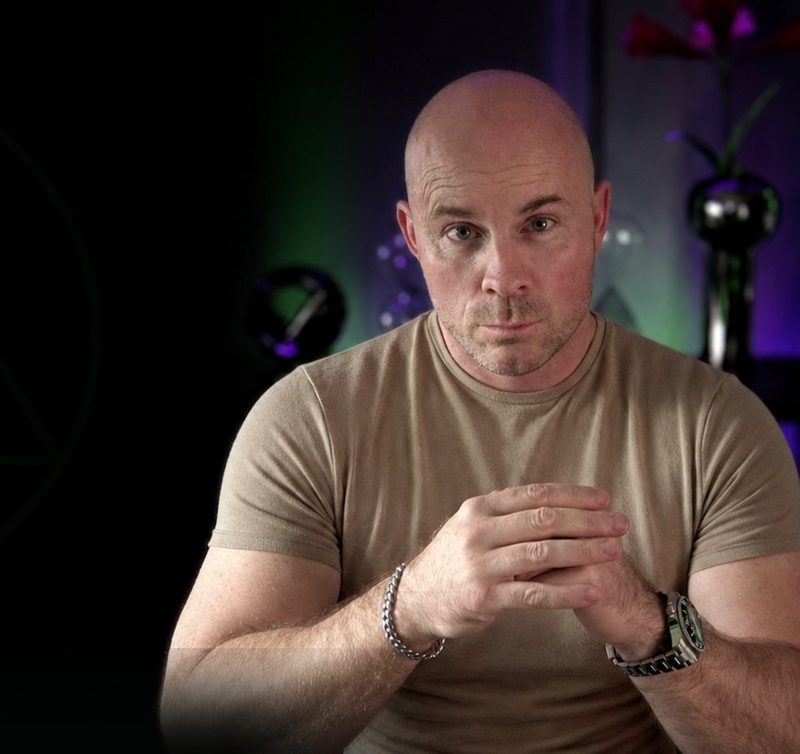
If you’ve tried to talk yourself out of this fear and it hasn’t worked, that isn’t a lack of willpower. A phobia is an alarm your mind learned, and logic alone rarely switches it off.
When I work with a fear of bathing, I start by finding out exactly which part is frightening, because for one person it is water on the face and for another it is feeling trapped or exposed. Using hypnotherapy and NLP over Zoom, I help calm any old memories so they stop setting off the alarm in the bathroom. We then rehearse washing in your imagination, one small step at a time, with your body feeling warm and settled. Many clients find this makes real bathing feel far more manageable. You get a recording of the hypnosis so you can listen to it before you wash.
I’ve spent 17 years in clinical practice and helped more than 1,000 people with phobias. I hold a Postgraduate Certificate and a Postgraduate Diploma in Clinical Hypnotherapy, both with Distinction.
Common questions
Is it normal for a toddler to hate bath time?
Yes, many young children go through a phase of fearing the bath, the plughole or having their hair washed, and it usually passes. If the fear continues as they get older or causes a lot of distress, have a chat with your GP or health visitor.
Why is hair washing the worst part?
Water running over the face can feel as if you cannot breathe, and having your head tipped back can feel out of control. These are common triggers, and working on them one at a time often helps.
Can a fear of bathing start later in life?
Yes. It can follow a fall in the bath, a health scare or an upsetting experience at any age. Changes linked to injury or ageing may also play a part for some people.
Is a fear of bathing the same as a fear of water?
They can overlap, but they are not always the same thing. Some people are fine at the swimming pool yet panic in the shower, or the other way round. We would start by finding out exactly what part of washing sets the fear off.
How can you help?
I use hypnotherapy and NLP to change how your mind responds to the thing you fear, so the old alarm stops going off. Sessions are one to one over Zoom, and you get a recording of the hypnosis to listen to afterwards.
How many sessions will I need?
Many clients notice a real difference after one 90 minute session. If the fear goes back a long way, three sessions gives us room to make the change stick.
Further reading: Healthline: Ablutophobia · Medical News Today: Ablutophobia · NHS: Phobias
Ready to start?
A short call is the simplest next step. We’ll talk about your fear, what you’d like to feel instead, and whether I’m the right person to help.
- Take the free test at the top of this page to see how strong your fear is.
- Book a 30 minute call. Use code PHOBIA at checkout for half price: £24.50 instead of £49 ($29.50 outside the UK).
- Start your sessions over Zoom from wherever you live, or face to face in Hertfordshire.
See all session options and prices